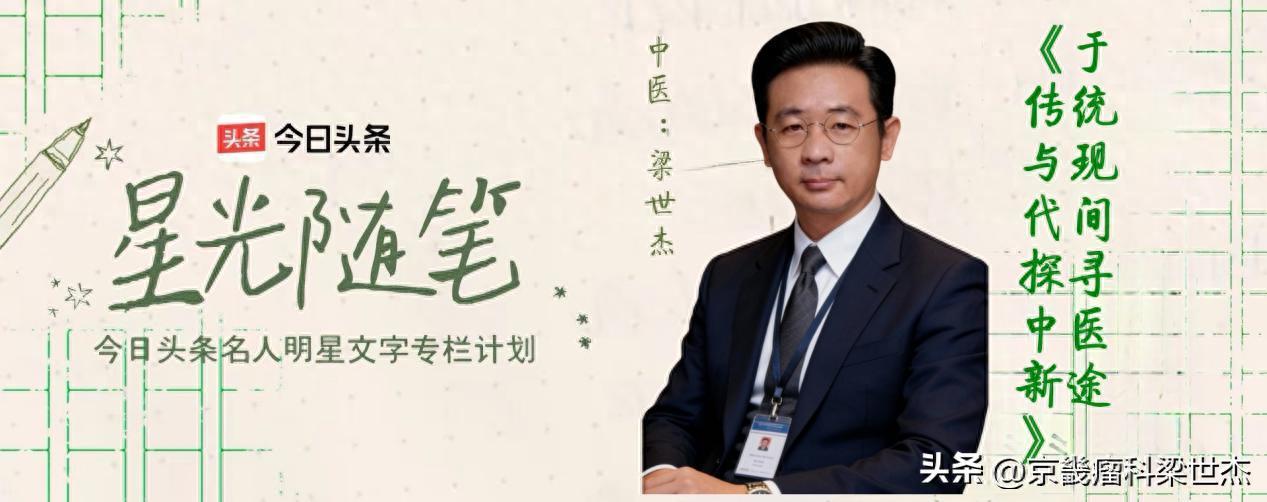
梁世傑:於傳統與現代間探尋中醫新途
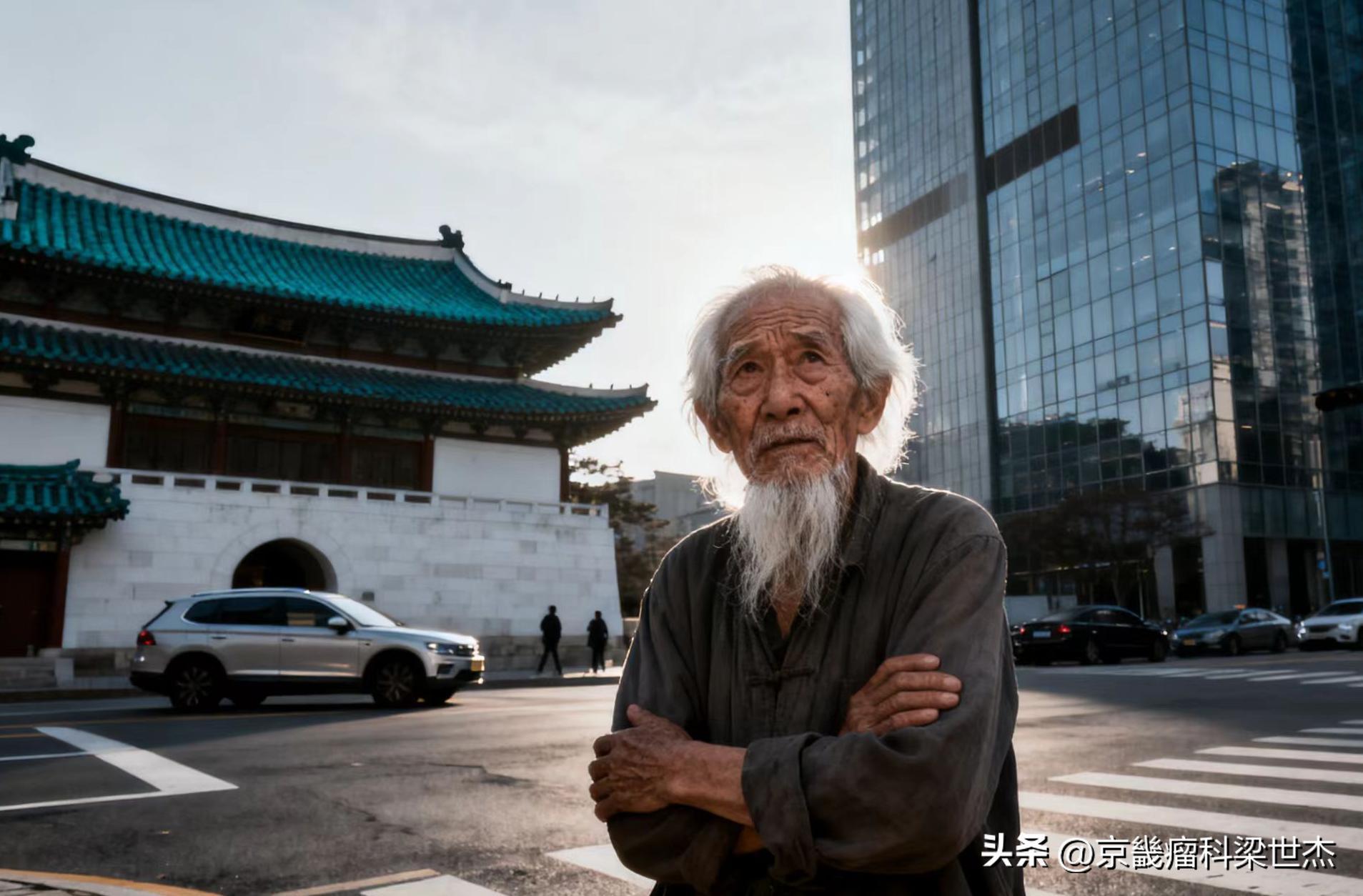
在那悠悠歷史長河中,中醫宛如一顆璀璨星辰,閃耀着智慧的光芒,庇佑着華夏兒女走過數千年的風雨征程。然而,時光流轉,歲月變遷,如今的中醫,恰似一位歷經滄桑的老者,站在傳統與現代的十字路口,面臨着前所未有的挑戰與抉擇。
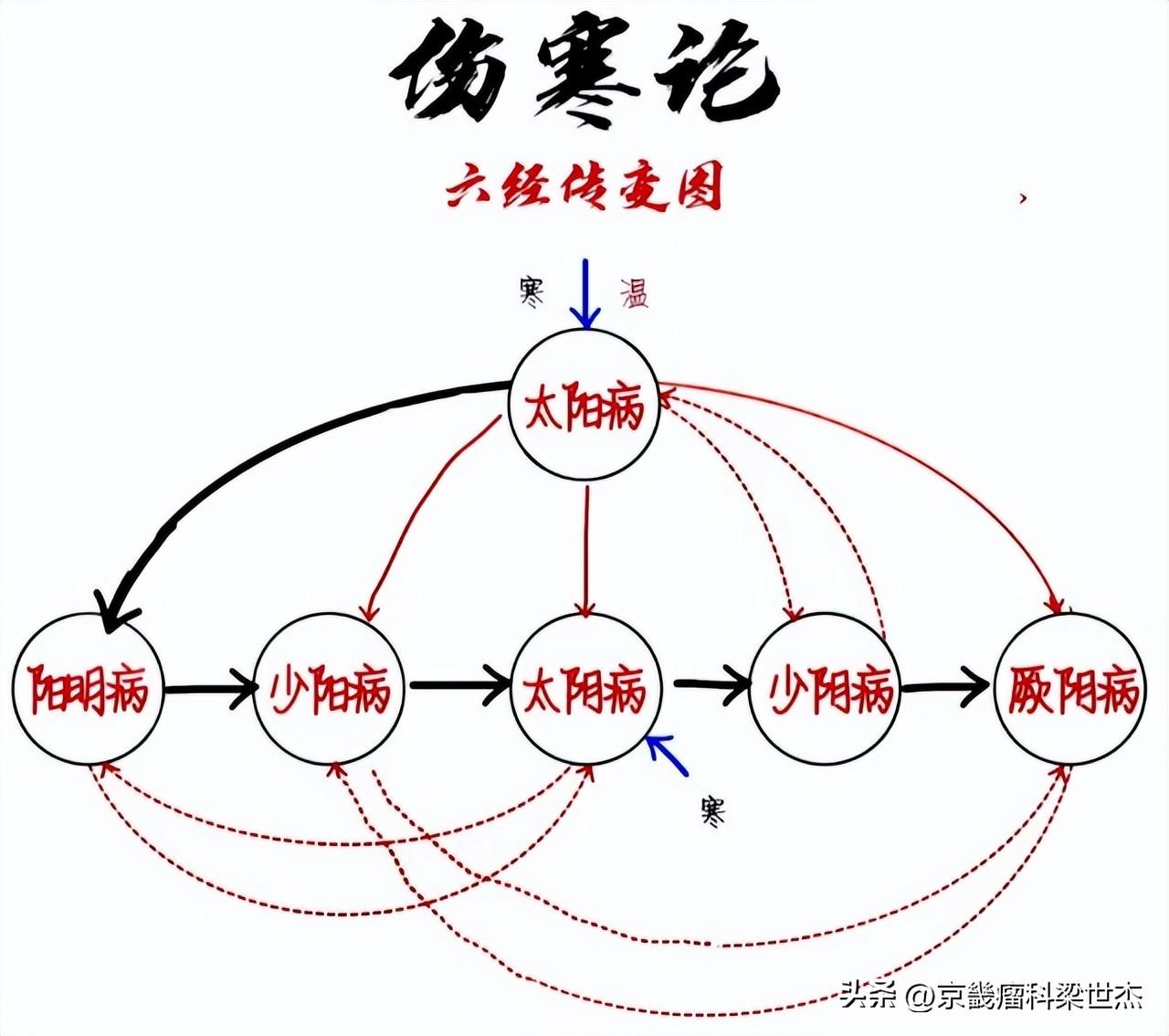
六經辨證,這顆鑲嵌在中醫理論寶庫中的明珠,曾以其獨特的思維模式和卓越的療效,在中醫的歷史舞臺上綻放出耀眼的光彩。它猶如一位嚴謹的指揮官,將人體的生理病理變化巧妙地歸納爲六經,爲衆多疾病的治療提供了清晰的思路和有效的方劑。柯韻伯曾言:“仲景之六經,爲百病立法,不專爲傷寒一科,傷寒雜病,治無二理,鹹歸六經之節制。”餘根初在《通俗傷寒論》中更是首次提出“以六經鈐百病,爲確定之總決”,已故南京中醫藥大學教授陳亦人也對“六經鈐百病”多有發揮。這些醫家們的尊崇與推崇,無疑彰顯了六經辨證在中醫歷史中的重要地位和深遠影響。
然而,正如世間萬物皆有其侷限性一樣,六經辨證也並非萬能之法。尤其是在溫病的治療領域,它就像一位穿着舊鎧甲的勇士,面對新的戰場和敵人,顯得有些力不從心。溫病,這一在特定氣候和環境條件下肆虐的疾病,以其獨特的發病特點和病理變化,給六經辨證帶來了前所未有的挑戰。於是,後世的醫家們勇敢地站了出來,他們以無畏的探索精神和創新的勇氣,撰寫了《瘟疫論》《溫病條辨》等經典論著,爲溫病的治療開闢了一條新的道路,彌補了六經辨證和《傷寒論》的不足。這就像是在古老的城堡上開了一扇新窗,讓新鮮的空氣和陽光得以湧入,爲中醫的發展注入了新的活力。
時光匆匆,兩千年的歲月如白駒過隙,疾病譜也在這漫長的時光中發生了翻天覆地的變化。據權威統計數據顯示,如今人類所面臨的疾病種類已遠非古代可比,新的疾病不斷湧現,舊的疾病也在不斷變異和複雜化。在這樣的背景下,僅僅依靠一種辯證思維模式和一二百個方子、百十來種藥,就妄圖包治千病萬病,無疑是癡人說夢。這就好比用一把舊鑰匙去開無數把新鎖,雖然偶爾也能碰巧打開幾把,但終究無法應對所有的情況。
我們不妨看看身邊的例子。有一位患者,患有一種複雜的慢性疾病,多方求醫,許多醫家都依據傳統的六經辨證爲其開方治療,但效果卻不盡如人意。患者的病情時好時壞,反覆發作,不僅身體遭受着病痛的折磨,精神上也承受着巨大的壓力。後來,一位善於結合現代科學和檢查措施的醫生,對患者的病情進行了全面深入的分析,不僅運用了傳統的中醫辨證方法,還借鑑了現代醫學的研究成果,制定了一套個性化的治療方案。經過一段時間的治療,患者的病情得到了顯著改善,生活質量也大大提高。這個例子生動地說明,在當今時代,中醫不能固步自封,必須與時俱進,結合現代科學和檢查措施,才能在治療疾病方面取得更好的效果。
古人崇古好古,這是他們的文化傳統和思維習慣。他們對《傷寒論》及六經辨證的尊崇,在一定程度上推動了中醫的發展和傳承。然而,當代學者卻不能人云亦云,盲目跟從。我們生活在一個科技飛速發展的時代,現代科學和醫學爲我們提供了前所未有的研究手段和方法。我們應該以科學探索的實踐精神,深入研究和學習宋元明清時方派的集大成發展,汲取其中的精華,爲我所用。同時,我們還要結合現代科學和檢查措施,在中醫的各個環節上進行創新和發展。這就如同在古老的中醫大廈上進行修繕和擴建,既要保留其獨特的建築風格和文化底蘊,又要使其更加堅固和實用,能夠適應現代社會的需求。
中醫的發展,是一場漫長而艱辛的征程。我們不能抱殘守缺,刻舟求劍,守着舊有的思維模式和方法不放。我們要像勇敢的航海家一樣,揚起創新的風帆,在傳統與現代的海洋中乘風破浪,探尋中醫發展的新途徑。只有這樣,我們才能讓中醫這顆璀璨的星辰在新時代煥發出更加耀眼的光芒,爲人類的健康事業做出更大的貢獻。讓我們攜手共進,以智慧和勇氣書寫中醫發展的新篇章,讓中醫的智慧在世界範圍內得到更廣泛的傳播和應用。
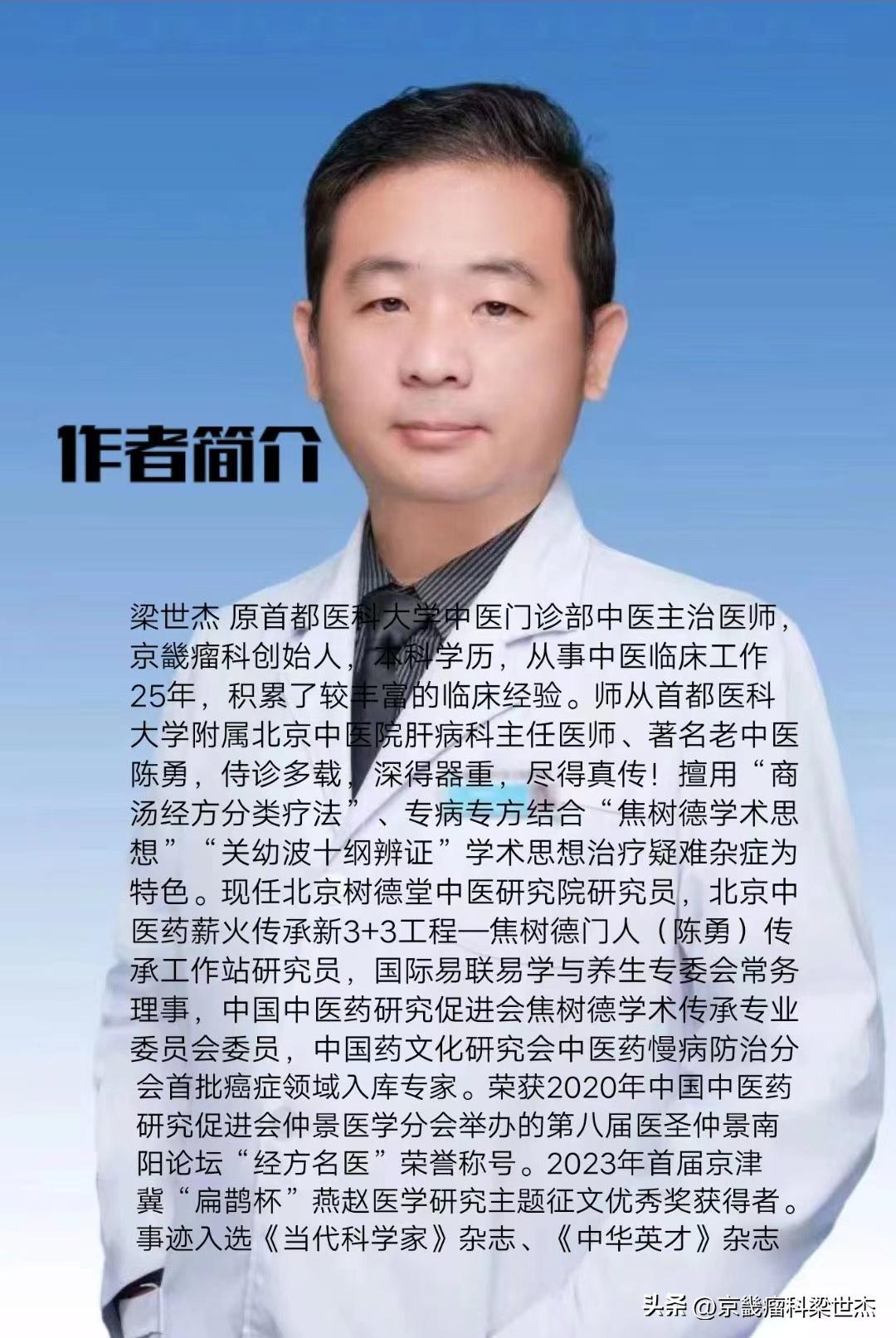
作者簡介:梁世傑 原首都醫科大學中醫門診部中醫主治醫師,京畿瘤科創始人,本科學歷,從事中醫臨牀工作25年,積累了較豐富的臨牀經驗。師從首都醫科大學附屬北京中醫院肝病科主任醫師、著名老中醫陳勇,侍診多載,深得器重,盡得真傳!擅用“商湯經方分類療法”、專病專方結合“焦樹德學術思想”“關幼波十綱辨證”學術思想治療疑難雜症爲特色。現任北京樹德堂中醫研究院研究員,北京中醫藥薪火傳承新3+3工程—焦樹德門人(陳勇)傳承工作站研究員,國際易聯易學與養生專委會常務理事,中國中醫藥研究促進會焦樹德學術傳承專業委員會委員,中國藥文化研究會中醫藥慢病防治分會首批癌症領域入庫專家。榮獲2020年中國中醫藥研究促進會仲景醫學分會舉辦的第八屆醫聖仲景南陽論壇“經方名醫”榮譽稱號。2023年首屆京津冀“扁鵲杯”燕趙醫學研究主題徵文優秀獎獲得者。事蹟入選《當代科學家》雜誌、《中華英才》雜誌。
Liang Shi-jie: Exploring New Paths for Traditional Chinese Medicine Between Tradition and Modernity
In the long span of history, traditional Chinese medicine has been like a brilliant star, shining with the light of wisdom and protecting the sons and daughters of China through countless years of trials and tribulations. However, as time passes and years change, today’s traditional Chinese medicine practitioner is akin to an elderly individual who has weathered many hardships. Standing at the crossroads of tradition and modernity, they face unprecedented challenges and choices.
The Six Pathway Diagnosis, this gem embedded in the treasure trove of traditional Chinese medicine theory, once shone brilliantly on the historical stage of traditional Chinese medicine with its unique mode of thinking and remarkable curative effects. It acted like a meticulous commander, skillfully categorizing the physiological and pathological changes of the human body into the Six Pathways, providing a clear approach and effective prescriptions for the treatment of numerous diseases. Ke Yunbo once said, “Zhang Zhongjing’s Six Pathways serve as a framework for treating all diseases, not solely for the treatment of febrile diseases. Whether dealing with febrile or non-febrile conditions, the principles remain the same, all falling under the control of the Six Pathways.” Yu Genchu, in his book “Popular Treatise on Febrile Diseases,” first proposed the idea of using the Six Pathways to diagnose and treat various diseases as a definitive and comprehensive method. The late Nanjing University professor Chen Yi-ren also made significant contributions to the concept of “the Six Pathways controlling all diseases.” The reverence and admiration shown by these medical practitioners undoubtedly highlight the significant role and profound impact of the Six Pathway Diagnosis in the history of traditional Chinese medicine.
However, just as all things in the world have their limitations, the Six Classic Texts method of diagnosis is not a panacea. Particularly in the realm of treating febrile diseases, it resembles a warrior clad in old armor, feeling somewhat inadequate in the face of new battlefields and adversaries. Febrile diseases, which ravage under specific climatic and environmental conditions, present unprecedented challenges to the Six Classic Texts method due to their unique patterns of onset and pathological changes. As a result, later generations of physicians bravely stepped forward, using their fearless spirit of exploration and innovative courage to write classic works such as “Treatise on Epidemic Diseases” and “Treatise on Febrile Diseases”. These texts opened up a new path for the treatment of febrile diseases, filling in the gaps left by the Six Classic Texts and “Treatise on Febrile Pains”. It was akin to opening a new window on an ancient castle, allowing fresh air and sunlight to enter, thereby infusing new vitality into the development of traditional Chinese medicine.
Time flies swiftly, and two thousand years have passed like a fleeting moment. The spectrum of diseases has also undergone tremendous changes during this extended period. According to authoritative statistical data, the types of diseases humans face today are far more diverse than those of ancient times. New diseases are continually emerging, while old diseases are constantly mutating and becoming more complex. Under such circumstances, attempting to cure countless diseases with a single dialectical thinking mode and a few hundred formulas and a dozen or so types of medicines would be nothing short of delusional. It’s akin to trying to use an old key to open countless new locks; while it might occasionally succeed in opening a few, it ultimately cannot handle all situations.
Let’s take a look at an example from our own surroundings. There was a patient suffering from a complex and chronic illness. After seeking treatment from various medical professionals, many of whom prescribed treatments based on traditional Six Axis Diagnosis, the results were unsatisfactory. The patient’s condition fluctuated, with episodes of improvement and deterioration occurring repeatedly. Not only was the patient physically tormented by the illness, but they also endured immense mental stress. Later, a doctor skilled in combining modern scientific methods and diagnostic techniques conducted a comprehensive and in-depth analysis of the patient’s condition. This doctor not only employed traditional Chinese medicine’s Diagnosis method but also drew upon modern medical research to develop a personalized treatment plan. After some time of treatment, the patient’s condition significantly improved, and their quality of life also increased substantially. This example vividly illustrates that, in today’s era, traditional Chinese medicine must not remain stagnant but must adapt to modern scientific methods and diagnostic techniques in order to achieve better results in treating diseases.
The ancients revered antiquity and ancient customs; this was their cultural tradition and way of thinking. Their respect for the Treatise on Febrile Diseases and the Six Classics of Diagnosis has, to some extent, contributed to the development and preservation of traditional Chinese medicine. However, contemporary scholars must not simply follow others without critical evaluation. We live in an era of rapid technological advancement, where modern science and medicine provide unprecedented research tools and methods. We should approach scientific inquiry with a spirit of thorough research and learning, delving deeply into the comprehensive development of the School of Formulas from the Song, Yuan, Ming, and Qing dynasties, and drawing upon its essence to benefit us. At the same time, we must integrate modern science and diagnostic measures to innovate and develop in various aspects of traditional Chinese medicine. This is akin to renovating and expanding an ancient building in traditional Chinese medicine, while preserving its unique architectural style and cultural heritage, and making it more robust and practical to meet the needs of modern society.
The development of traditional Chinese medicine is a long and arduous journey. We must not cling to outdated concepts, methods, and thinking patterns. Instead, we should rise like brave seafarers, hoist the sails of innovation, and navigate through the seas of tradition and modernity, seeking new paths for the development of traditional Chinese medicine. Only in this way can we enable this brilliant star of traditional Chinese medicine to shine even brighter in the new era, making greater contributions to the cause of human health. Let us work together, using wisdom and courage to write a new chapter in the development of traditional Chinese medicine, and allow its wisdom to be disseminated and applied more widely throughout the world.
Author profile: Liang Shi-jie was a chief physician of traditional Chinese medicine at the Traditional Chinese Medicine Outpatient Clinic of Capital Medical University. He was the founder of Jingyi Tumor Clinic. He holds a bachelor’s degree and has been engaged in clinical work in traditional Chinese medicine for 25 years, accumulating extensive clinical experience. He studied under Chen Yong, a renowned senior traditional Chinese medicine practitioner at the Hepatology Department of Beijing Traditional Chinese Medicine Hospital affiliated to Capital Medical University. Over the years, he gained great respect and acquired genuine expertise. He specializes in using the “Shang Tang Classic Classification Therapy” and combining specific treatments for specific diseases with the “Jiao Shu-de Academic Thought” and the “Guan You-bo Ten-Principle Diagnosis” approach to treat complex medical conditions. He is currently a researcher at the Beijing Shu-de-Tang Traditional Chinese Medicine Research Institute and a researcher at the Beijing New 3+3 Project for the Inheritance of Traditional Chinese Medicine – Jiao Shu-de’s Disciples (Chen Yong) Heritage Workstation. He is a Standing director of the International Yi-lian Yi-xue and Health Preservation Committee and a member of the Committee for the Inheritance of Jiao Shu-de’s Academic Thought of the China Research Promotion Association for Traditional Chinese Medicine. He is also a member of the inaugural Cancer Expert Pool of the China Cultural Research Association for Traditional Chinese Medicine’s Prevention of Chronic Diseases. He was awarded the title of “Expert in Classic Prescriptions” at the Eighth Nanyang Forum of the Zhang Zhongjing Medical Division of the China Research Promotion Association in 2020. In 2023, he won the Excellence Award in the First Beijing-Tianjin-Hebei “Bian Que Cup” Yan-Zhao Medical Research Theme Essay Competition. His achievements have been featured in the magazines “Contemporary Scientists” and “China’s Elite”.