梁大夫診療知情同意與須知
爲和諧醫患關係,避免醫療糾紛,建立醫患信任關係,讓患者及時治好病,不耽誤患者病情,梁大夫繼續保持並重申“知情同意與須知”
1.經梁大夫線下當面“四診合參”就診者,治療後1~2周內症狀不緩解者,視爲療效不佳,患者應及時到上級專科醫院就診。
2、慢性病患者謹遵醫囑,能堅持按時複診者,即認可治療的有效。
3、老年病,慢性病,常見病,多發病,部分疑難病複診患者,療程參考爲一到三個月(另行約定的除外),治癒後的部分易復發的慢性病,建議每年春秋兩季階段性調理,減輕或防止復發。
4、癌症康復及其它器質性病變,以及糾正化驗、血壓、血糖、影像指標異常等以實際病具體制定療程,如療程滿,複查結果無效者,應及時轉上級專科醫院就診。
5、冠心病,癌症,高危高血壓、血糖血脂異常、腦血管病以及其他急危重症患者中醫治療期間或療程結束後,有身體不適,及時撥打120就診。宜按時到醫院定期複查。
6、本着風險共擔的原則,體質極差患者、病情較深的疾病、疑難病或急危重症,需要用到如:附子、細辛、吳茱萸、蠍子、川草烏等幾十種有毒中藥時,醫生會明確告知其風險,若接受醫生治療,即確認可以按病情使用,並自願共同承擔醫療風險。
7、頑固病,特殊病,以及危重症如癌症、高血壓、糖尿病,中風,心臟病,腎病等疾病的患者,以及久臥在牀,身體極度虛弱,或年齡極高者,醫生會根據病情和體質,使用複方(合方)中藥或大方中藥爲患者治療,並且個別中藥可能會超過《藥典》劑量,醫生會提前告知,接受治療者,即確認共同承擔相關醫療風險。
8、對中藥過敏者,患者應提前告知醫生,方便醫生規避治療風險。首診患者,醫生只接受線下當面接診不接受網絡首診。個別邊遠患者,可接受線上遠程複診。
特此周知
梁世傑
2026年2月1日
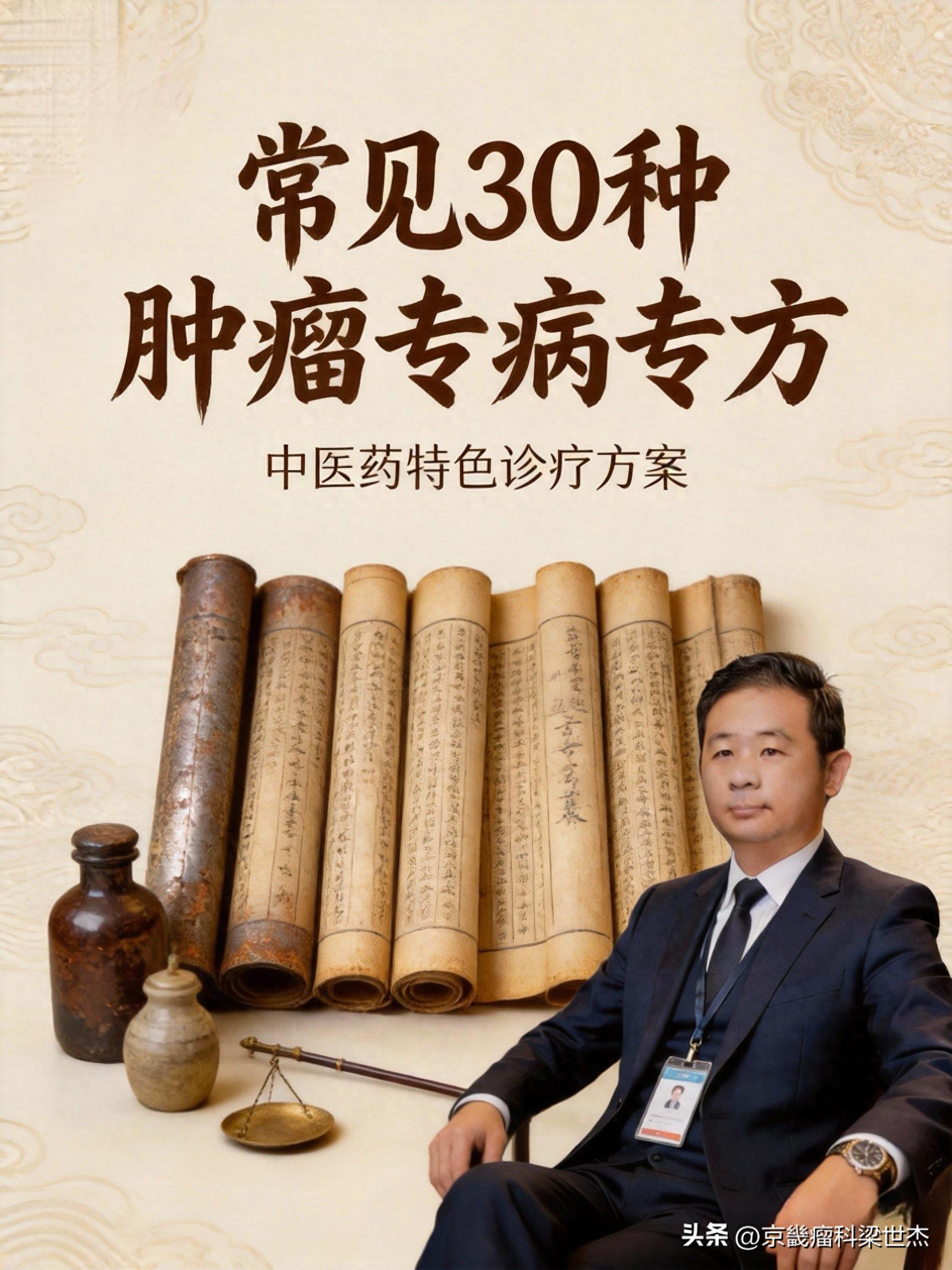
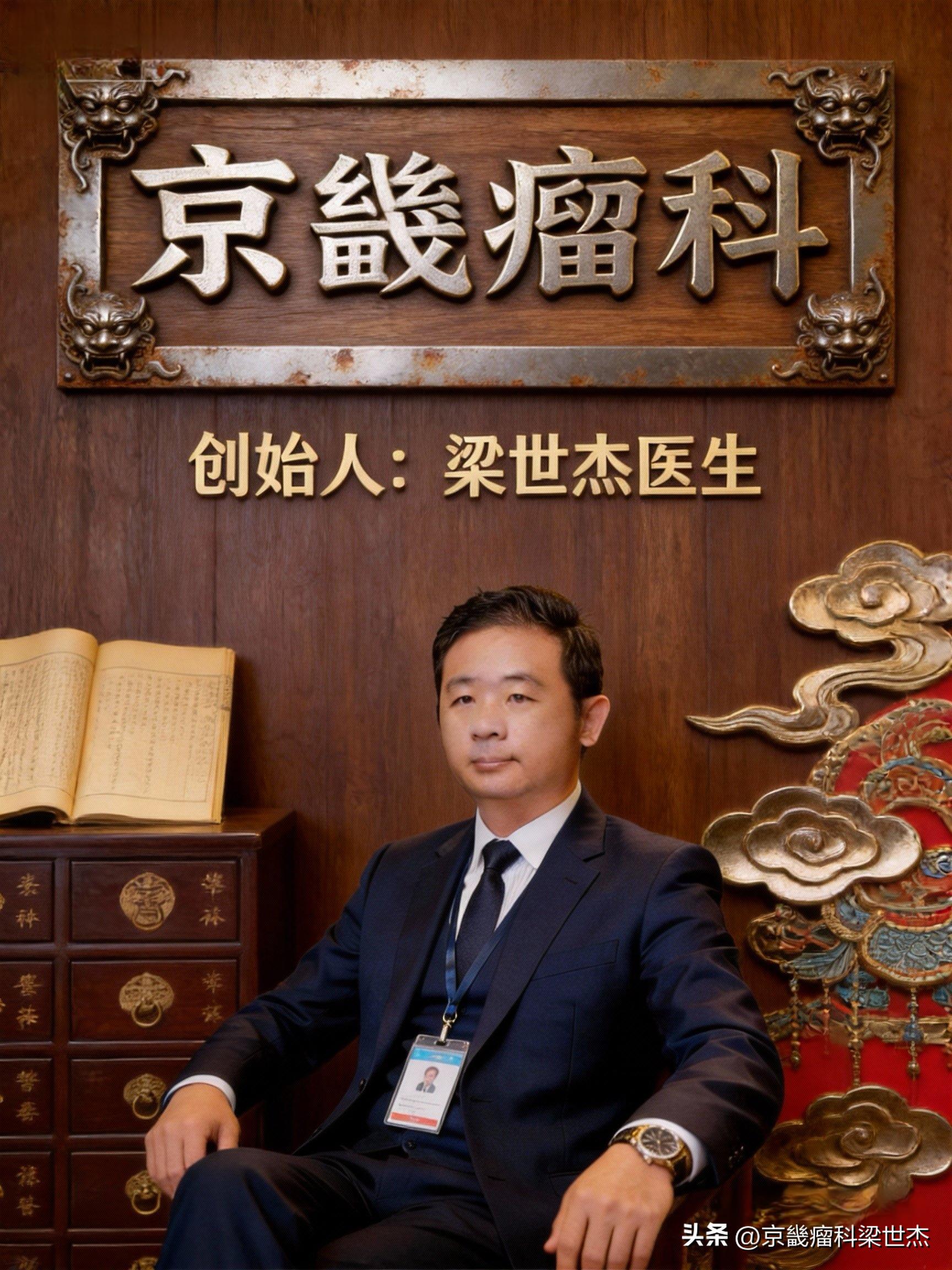
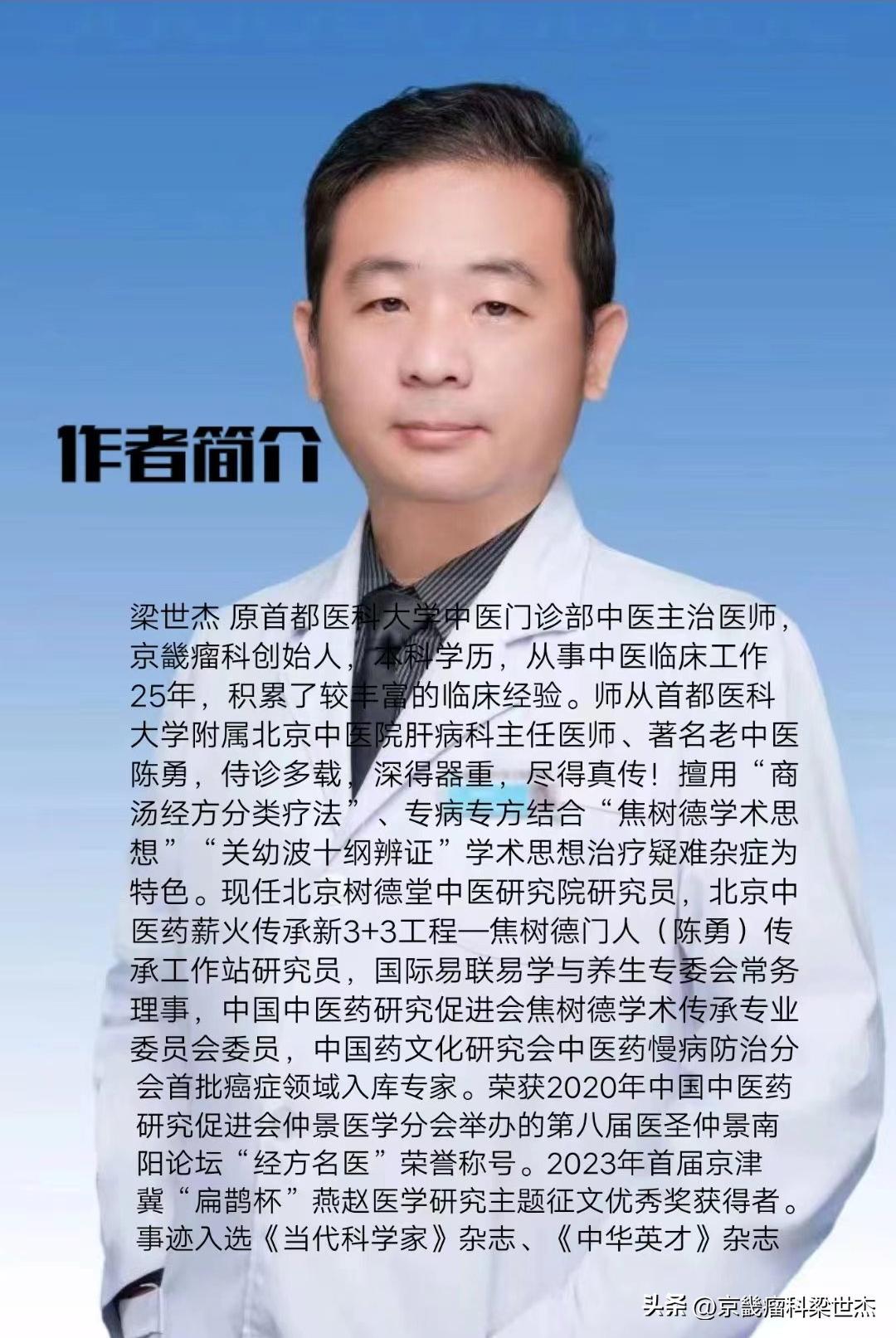
作者簡介:梁世傑 原首都醫科大學中醫門診部中醫主治醫師,京畿瘤科創始人,本科學歷,從事中醫臨牀工作25年,積累了較豐富的臨牀經驗。師從首都醫科大學附屬北京中醫院肝病科主任醫師、著名老中醫陳勇,侍診多載,深得器重,盡得真傳!擅用“商湯經方分類療法”、專病專方結合“焦樹德學術思想”“關幼波十綱辨證”學術思想治療疑難雜症爲特色。現任北京樹德堂中醫研究院研究員,北京中醫藥薪火傳承新3+3工程—焦樹德門人(陳勇)傳承工作站研究員,國際易聯易學與養生專委會常務理事,中國中醫藥研究促進會焦樹德學術傳承專業委員會委員,中國藥文化研究會中醫藥慢病防治分會首批癌症領域入庫專家。榮獲2020年中國中醫藥研究促進會仲景醫學分會舉辦的第八屆醫聖仲景南陽論壇“經方名醫”榮譽稱號。2023年首屆京津冀“扁鵲杯”燕趙醫學研究主題徵文優秀獎獲得者。事蹟入選《當代科學家》雜誌、《中華英才》雜誌。
Dr. Liang''s Informed Consent and Consent for Treatment
In order to harmonize the doctor-patient relationship, avoid medical disputes, build a trust relationship between doctor and patient, and allow patients to cure their illnesses in a timely manner without delay, Dr. Liang continues to maintain and reiterates "informed consent and need to know."
1. Patients who attended the "four clinics together" under Dr. Liang''s supervision, and whose symptoms do not relieve within 1 to 2 weeks after treatment, are considered to have poor efficacy. Patients should see a higher specialized hospital in time.
(2) Patients with chronic diseases shall adhere to medical advice, and those who can consistently return to the clinic on time will be recognized as effective treatment.
3. Patients with elderly diseases, chronic diseases, common diseases, multiple diseases, and some difficult diseases are referred to for a treatment period of one to three months (except as otherwise agreed). After cure, some chronic illnesses are prone to recurrence. It is recommended to phase in treatment every year in spring and autumn to alleviate or prevent recurrence.
(4) Cancer rehabilitation and other organ diseases, as well as correcting abnormal testing, blood pressure, blood sugar, and imaging indicators, shall be tailored to the actual disease. If the course of treatment is completed and the retest results are ineffective, they shall be transferred to a higher specialized hospital in time.
5. If patients with coronary heart disease, cancer, high-risk hypertension, glucose and lipid abnormalities, cerebrovascular disease and other acute and critical illnesses experience physical discomfort during or after the treatment, call 120 in time to see a doctor. It is advisable to visit the hospital regularly for periodic review.
6. In accordance with the principle of sharing risks, patients with extremely poor medical conditions, deeper diseases, When a difficult or critical illness requires the use of dozens of toxic traditional Chinese medicines such as fenu, sisin, wujuyu, scorpion, chuancao wu, doctors will clearly inform them of the risks, and if they receive medical treatment, they will confirm that they can use them according to the condition and will voluntarily jointly bear the medical risk.
7. Patients with persistent illnesses, special illnesses and critical illnesses such as cancer, high blood pressure, diabetes, stroke, heart disease, kidney disease, and those who stay in bed for a long time and are extremely weak. Or those who are extremely elderly, the doctor will treat the patient using combinations (combinations) or large-scale Chinese medicines depending on the condition and physical condition, and individual Chinese medicines may exceed the dictionary dose, and the doctor will inform the person receiving the treatment in advance, confirming that they jointly bear the medical risk.
(8) For people with allergies to Chinese medicine, patients should inform the doctor in advance so that the doctor can avoid the risk of treatment. For first-time patients, doctors will only accept offline and on-the-spot visits and will not accept online first-time visits. Individual remote patients can be remotely consulted online.
I''m aware of this.
Liang Shijie
February 1, 2026
Author profile: Liang Shi-jie was a chief physician of traditional Chinese medicine at the Traditional Chinese Medicine Outpatient Clinic of Capital Medical University. He was the founder of Jingyi Tumor Clinic. He holds a bachelor’s degree and has been engaged in clinical work in traditional Chinese medicine for 25 years, accumulating extensive clinical experience. He studied under Chen Yong, a renowned senior traditional Chinese medicine practitioner at the Hepatology Department of Beijing Traditional Chinese Medicine Hospital affiliated to Capital Medical University. Over the years, he gained great respect and acquired genuine expertise. He specializes in using the “Shang Tang Classic Classification Therapy” and combining specific treatments for specific diseases with the “Jiao Shu-de Academic Thought” and the “Guan You-bo Ten-Principle Diagnosis” approach to treat complex medical conditions. He is currently a researcher at the Beijing Shu-de-Tang Traditional Chinese Medicine Research Institute and a researcher at the Beijing New 3+3 Project for the Inheritance of Traditional Chinese Medicine – Jiao Shu-de’s Disciples (Chen Yong) Heritage Workstation. He is a Standing director of the International Yi-lian Yi-xue and Health Preservation Committee and a member of the Committee for the Inheritance of Jiao Shu-de’s Academic Thought of the China Research Promotion Association for Traditional Chinese Medicine. He is also a member of the inaugural Cancer Expert Pool of the China Cultural Research Association for Traditional Chinese Medicine’s Prevention of Chronic Diseases. He was awarded the title of “Expert in Classic Prescriptions” at the Eighth Nanyang Forum of the Zhang Zhongjing Medical Division of the China Research Promotion Association in 2020. In 2023, he won the Excellence Award in the First Beijing-Tianjin-Hebei “Bian Que Cup” Yan-Zhao Medical Research Theme Essay Competition. His achievements have been featured in the magazines “Contemporary Scientists” and “China’s Elite”.