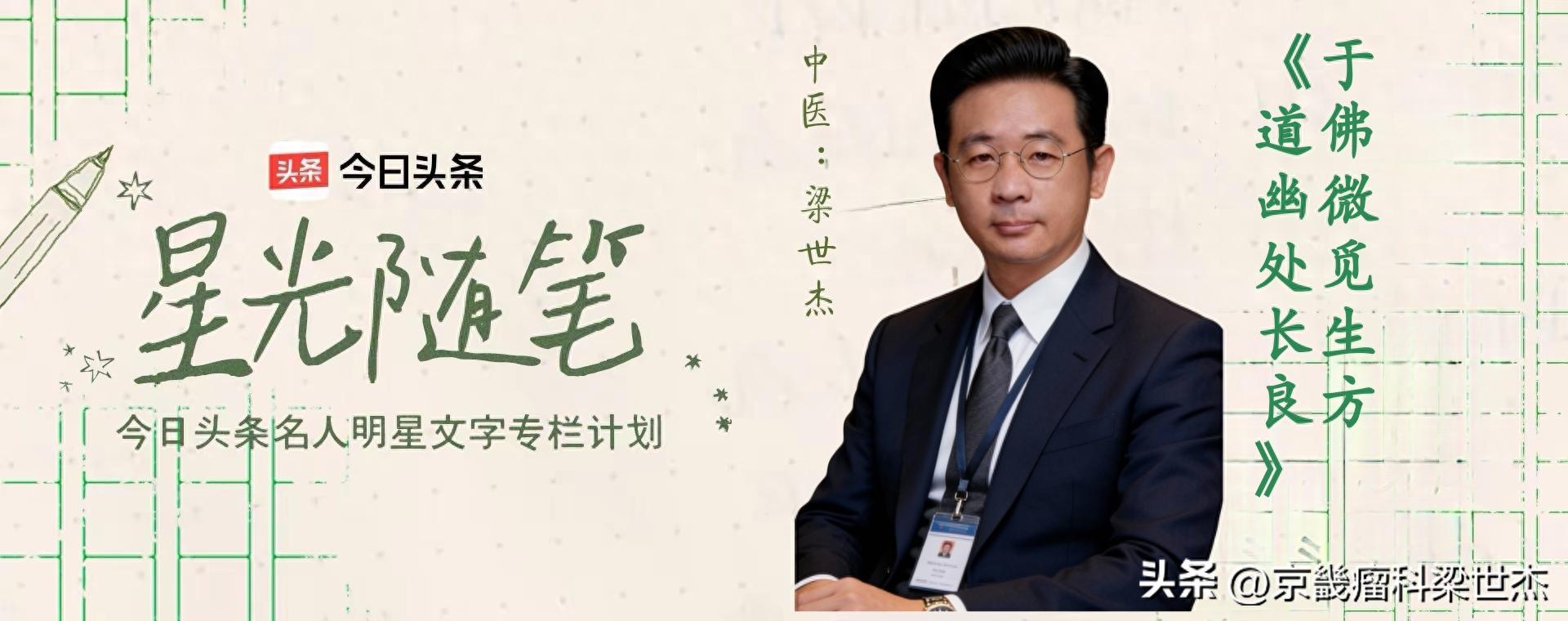
梁世傑:於道佛幽微處覓長生良方
在這紛繁喧囂、物慾橫流的世界裏,養生,宛如一股清泉,流淌在人們疲憊又焦慮的心田,成爲無數人夢寐以求的追尋。然而,養生之道,究竟藏於何處?是那琳琅滿目的保健品,還是那高深莫測的養生祕籍?其實,若我們翻開古老的道家與佛家經典,或許能在這智慧的幽微處,尋得養生的真諦。
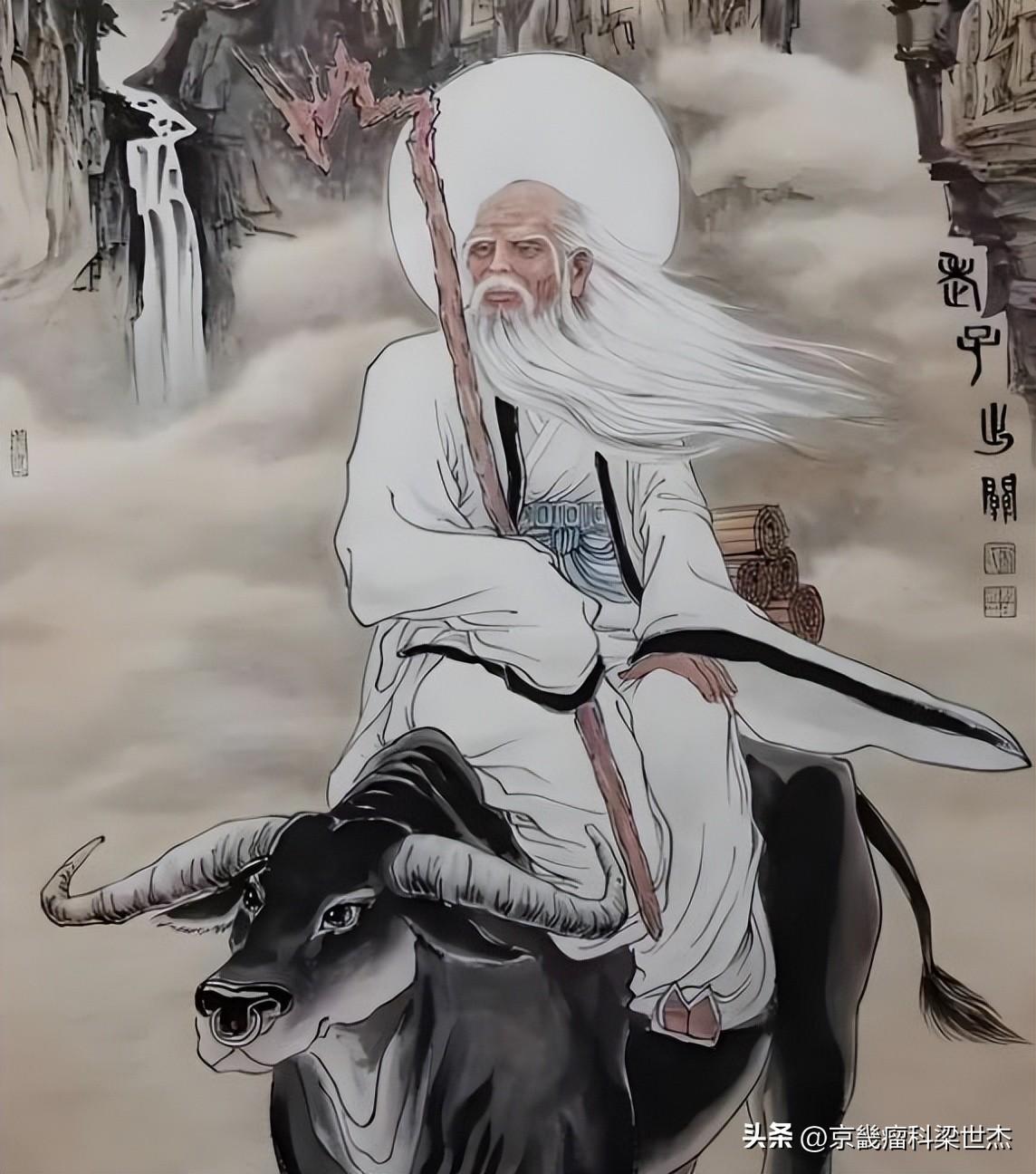
道家:“無名”之境,養生命之根
“無名,天地之始。”老子的這句箴言,如同一把神祕的鑰匙,開啓了我們對宇宙本源的探索之門。在那一切名稱、概念、分別產生之前,宇宙處於一種混沌未分、純粹同一的狀態,這便是“無名”之境。它並非空無,而是蘊含着無限可能性的“道”本身,是萬物得以誕生的絕對起點。就如同生命的初始,我們尚未被世俗的標籤所定義,純淨而充滿生機。
從養生的角度來看,“無名”之境啓示我們要回歸生命的本真。在現代社會,人們常常被各種慾望和壓力所裹挾,爲了名利、地位而奔波勞累,心靈被外界的紛擾填滿,失去了那份寧靜與平和。據統計,全球有超過 3 億人患有抑鬱症,其中很大一部分原因是由於長期的精神壓力和焦慮所致。而道家所倡導的“常無慾,以觀其妙”,正是讓我們放下心中的執念和慾望,迴歸到一種空靈、無爲的狀態。就像那山間的清泉,不受外界的污染,自然流淌,清澈純淨。當我們能夠做到內心無慾無求,不被外界的得失所左右時,身體的各項機能也會更加和諧地運轉,從而達到養生的目的。
比如,古代的隱士們,他們遠離塵世的喧囂,隱居於山林之中,與自然爲伴。他們日出而作,日落而息,順應自然的規律生活。在這種簡單而純粹的生活方式中,他們的身心得到了極大的滋養,壽命也往往比常人要長。就像陶淵明筆下的“採菊東籬下,悠然見南山”,那份閒適與自在,正是道家養生之道的生動體現。
佛家:“無明”之破,養心靈之慧
佛家認爲,萬事萬物都是從無始無明中來。這“無明”,就如同遮蔽我們心靈的迷霧,讓我們看不清事物的真相,陷入痛苦和煩惱之中。就如同我們在黑暗中行走,容易迷失方向,跌倒受傷。而養生,不僅僅是身體的健康,更是心靈的滋養。只有遠離無明,內求有明,才能照真達俗,讓心靈得到解脫。
“心生,種種法生;心滅,種種法滅。”佛家的這句經典,深刻地揭示了心靈與萬物的關係。我們的內心就像一面鏡子,外界的事物如同鏡子前的影像。當我們的內心充滿雜念和煩惱時,鏡子就會被蒙上灰塵,影像也會變得模糊不清;而當我們的內心清淨無染時,鏡子就能清晰地映照出萬物的真相。據研究表明,長期進行冥想練習的人,大腦中的杏仁核(與情緒調節相關的區域)會變小,而前額葉皮層(與理性思維和自我控制相關的區域)會增厚。這意味着他們的情緒更加穩定,能夠更好地應對生活中的壓力和挑戰。
佛家所強調的“真如”概念,如如不動,幾之於道。它就像宇宙中的恆星,無論外界如何變化,始終保持着自己的本真。緣起性空,成住異滅,萬事萬物都在不斷地變化和發展之中,沒有永恆不變的存在。當我們明白了這個道理,就不會對外界的事物產生過度的執着和貪戀,從而減少內心的痛苦和煩惱。就像那曇花一現,雖然美麗短暫,但我們不會因爲它的消逝而悲傷不已,因爲我們知道這是自然的規律。
道佛交融,共築養生之基
道家與佛家,雖然在表述和側重點上有所不同,但在養生的本質上卻有着相通之處。它們都強調內心的寧靜與平和,都認爲只有擺脫外界的干擾和內心的執念,才能達到養生的最高境界。
在現代社會,我們可以將道家與佛家的養生智慧融入到日常生活中。比如,每天抽出一些時間進行冥想或靜坐,讓自己的內心平靜下來,排除雜念;在面對生活中的壓力和挫折時,學會用道家的“無爲”思想和佛家的“緣起性空”觀念來調整自己的心態,不抱怨、不焦慮,以平和的心態去面對一切。同時,我們也要順應自然的規律,保持良好的生活習慣,合理飲食,適量運動,讓身體和心靈都得到充分的滋養。
養生之道,並非遙不可及的神祕法門,它就藏在我們古老的道家與佛家經典之中,藏在我們日常生活的點點滴滴之中。讓我們在這道佛的智慧幽微處,尋得生命的良方,以一顆寧靜、平和、智慧的心,去擁抱生活的美好,享受生命的真諦。如此,方能在這紛繁複雜的世界中,走出一條屬於自己的養生之路,讓生命之花綻放出更加絢爛的光彩。
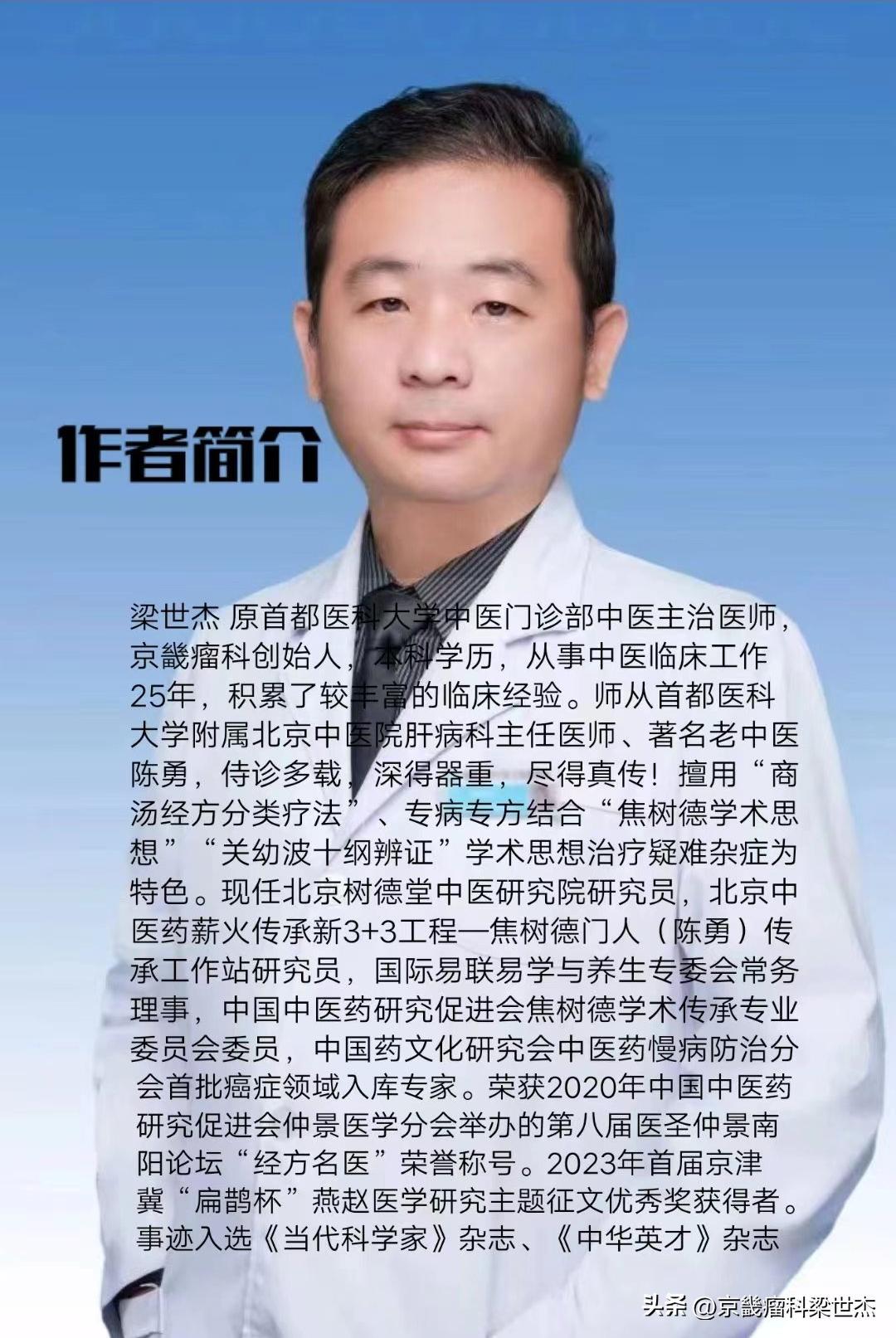
作者簡介:梁世傑 原首都醫科大學中醫門診部中醫主治醫師,京畿瘤科創始人,本科學歷,從事中醫臨牀工作25年,積累了較豐富的臨牀經驗。師從首都醫科大學附屬北京中醫院肝病科主任醫師、著名老中醫陳勇,侍診多載,深得器重,盡得真傳!擅用“商湯經方分類療法”、專病專方結合“焦樹德學術思想”“關幼波十綱辨證”學術思想治療疑難雜症爲特色。現任北京樹德堂中醫研究院研究員,北京中醫藥薪火傳承新3+3工程—焦樹德門人(陳勇)傳承工作站研究員,國際易聯易學與養生專委會常務理事,中國中醫藥研究促進會焦樹德學術傳承專業委員會委員,中國藥文化研究會中醫藥慢病防治分會首批癌症領域入庫專家。榮獲2020年中國中醫藥研究促進會仲景醫學分會舉辦的第八屆醫聖仲景南陽論壇“經方名醫”榮譽稱號。2023年首屆京津冀“扁鵲杯”燕趙醫學研究主題徵文優秀獎獲得者。事蹟入選《當代科學家》雜誌、《中華英才》雜誌。
Liang Shijie: Finding a Way to Live Long Live in the Hidden Places of Tao Buddha
In this world of hustle and bustle, health care is like a spring that flows in people''s tired and anxious hearts, becoming the dream pursuit of countless people. However, where is the secret of healthy living? Is it the abundant health products or the esoteric secrets of health? In fact, if we open up the ancient Taoist and Buddhist classics, we may be able to find the true meaning of healing in this stealthy place of wisdom.
Taoism: The ''No Name'' Land, Maintaining the Root of Life
"No name is the beginning of the heavens." This proverbs from the Lao Son are like a mysterious key that opens the door to our exploration of the origins of the universe. Before all the names, concepts, and distinctions came into existence, the universe was in a state of chaos, a state which was purely one, which was the "nameless" state. It is not empty, but the "way" itself, which contains infinite possibilities, and is the absolute starting point from which everything can be born. Just as at the beginning of life, we have not yet been defined by secular labels as pure and full of life.
From a health care perspective, the ''no name'' state reveals that we need to return to the true nature of life. In modern society, people are often surrounded by various desires and pressures, strive for fame and status, and their minds are filled with external distractions, and they lose that serenity and peace. According to statistics, more than 300 million people worldwide suffer from depression, a large part of which is due to long-term mental stress and anxiety. The Taoist advocacy of "always without desire to see the beauty" is to let us let go of our inner obsessions and desires and return to a state of emptyness and inaction. Like the spring in the mountains, it is not polluted by the outside world, flows naturally, and is clear and pure. When we can be mindless and not swayed by external gains and losses, the various functions of the body will also operate in greater harmony, thus achieving the purpose of health care.
For example, the ancient hermits, who lived away from the noise of the earth, lived in the mountains and surrounded themselves with nature. They lived according to the laws of nature by sunrise and sunset. In this simple and pure lifestyle, they are greatly nourished physically and mentally, and they tend to live longer than ordinary people. As Tao Yunming wrote, "Under the evergreen hedge, I can see the southern mountains in a relaxed way," that sense of leisure and comfort is a vivid expression of Taoist healing.
Buddhism: The breakdown of ''blindness'' and the cultivation of spiritual wisdom
Buddhists believe that everything comes from nothing. This "blindness" is like a mist that hides our hearts, making us unable to see the truth of things, and plunging us into pain and trouble. It''s like walking in the dark and getting lost and injured easily. Health care is not only about physical health, but also about nourishing the mind. Only by staying away from ignorance and seeking understanding within can we live truthfully and free our mind.
“The heart is born through all kinds of means; The heart is destroyed, and all ways are destroyed.”This Buddhist classic profoundly reveals the relationship between the mind and all things. Our hearts are like a mirror, and things outside are like images in front of the mirror. When our hearts are full of distractions and worries, the mirror will be covered with dust and the images will become blurred. When our hearts are clean and free, the mirror can clearly reflect the truth of everything. Studies have shown that people who engage in long-term meditation practice have a smaller amygdala (an area of the brain associated with emotional regulation) and a thicker prefrontal cortex (an area associated with rational thinking and self-control). This means that they are more emotionally stable and are better able to cope with the stresses and challenges of life.
The concept of "trueness" emphasized by the Buddhists is that as if it were not moving, it is almost as good as the word. It is like the star in the universe, which always maintains its true nature regardless of how the outside world changes. From space to nature, from creation to extinction, everything is constantly changing and developing, and there is no eternal and unchanging existence. When we understand this, we will not become overly attached to and greedy to things outside of us, thereby reducing our internal pain and annoyance. Like a passing sunset, although its beauty is short, we do not mourn its passing because we know it is the law of nature.
Tao and Buddha merge to build a foundation for healing
Although Taoism and Buddhism differ in their formulation and focus, there are commonalities in the nature of healing. They all emphasize inner peace and serenity, and they all believe that only by freeing from external interference and inner obsessions can we reach the highest level of health care.
In modern society, we can incorporate the Taoist and Buddhist health wisdom into our daily lives. For example, take some time each day to meditate or sit in meditation to calm your mind and eliminate distractions. When facing stresses and setbacks in life, learn to adjust your mindset using the Taoist idea of "actionlessness" and the Buddhist concept of "birth of voidness," not complaining, not anxious, and face everything with a peaceful mindset. At the same time, we should follow the laws of nature, maintain good living habits, eat reasonably, exercise in moderation, so that both the body and the mind are adequately nourished.
The cure is not a mysterious and remote method, it is hidden in our ancient Taoist and Buddhist classics, in the minutiae of our daily lives. Let us find the good formula for life in this stealthy spot of Buddha''s wisdom, and with a quiet, peaceful, wise heart, we can embrace the beauty of life and enjoy the true meaning of life. In this way, we can find a path of wellness of our own in this complex world, and let the flowers of life shine even more brilliantly.
Author profile: Liang Shi-jie was a chief physician of traditional Chinese medicine at the Traditional Chinese Medicine Outpatient Clinic of Capital Medical University. He was the founder of Jingyi Tumor Clinic. He holds a bachelor’s degree and has been engaged in clinical work in traditional Chinese medicine for 25 years, accumulating extensive clinical experience. He studied under Chen Yong, a renowned senior traditional Chinese medicine practitioner at the Hepatology Department of Beijing Traditional Chinese Medicine Hospital affiliated to Capital Medical University. Over the years, he gained great respect and acquired genuine expertise. He specializes in using the “Shang Tang Classic Classification Therapy” and combining specific treatments for specific diseases with the “Jiao Shu-de Academic Thought” and the “Guan You-bo Ten-Principle Diagnosis” approach to treat complex medical conditions. He is currently a researcher at the Beijing Shu-de-Tang Traditional Chinese Medicine Research Institute and a researcher at the Beijing New 3+3 Project for the Inheritance of Traditional Chinese Medicine – Jiao Shu-de’s Disciples (Chen Yong) Heritage Workstation. He is a Standing director of the International Yi-lian Yi-xue and Health Preservation Committee and a member of the Committee for the Inheritance of Jiao Shu-de’s Academic Thought of the China Research Promotion Association for Traditional Chinese Medicine. He is also a member of the inaugural Cancer Expert Pool of the China Cultural Research Association for Traditional Chinese Medicine’s Prevention of Chronic Diseases. He was awarded the title of “Expert in Classic Prescriptions” at the Eighth Nanyang Forum of the Zhang Zhongjing Medical Division of the China Research Promotion Association in 2020. In 2023, he won the Excellence Award in the First Beijing-Tianjin-Hebei “Bian Que Cup” Yan-Zhao Medical Research Theme Essay Competition. His achievements have been featured in the magazines “Contemporary Scientists” and “China’s Elite”.