醫患“江湖”:從扁鵲“六不治”到今朝道德綁架的荒誕劇
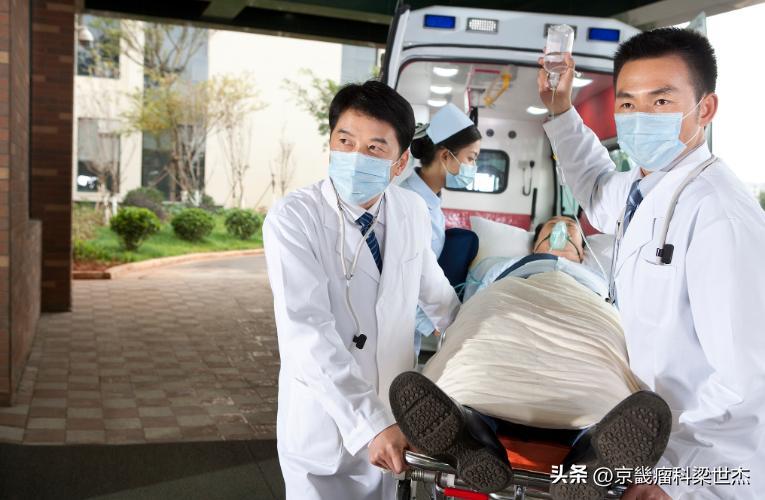
在這熙熙攘攘的人世間,醫療之事,向來如同一團亂麻,剪不斷,理還亂。它一頭連着生死,一頭繫着人心,牽扯出的,是千百年來醫患之間那剪不斷理還亂的複雜糾葛。
扁鵲“六不治”:古之智慧,今之鏡鑑
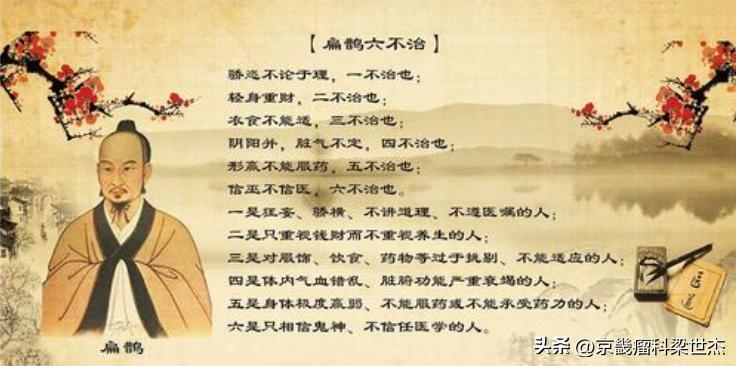
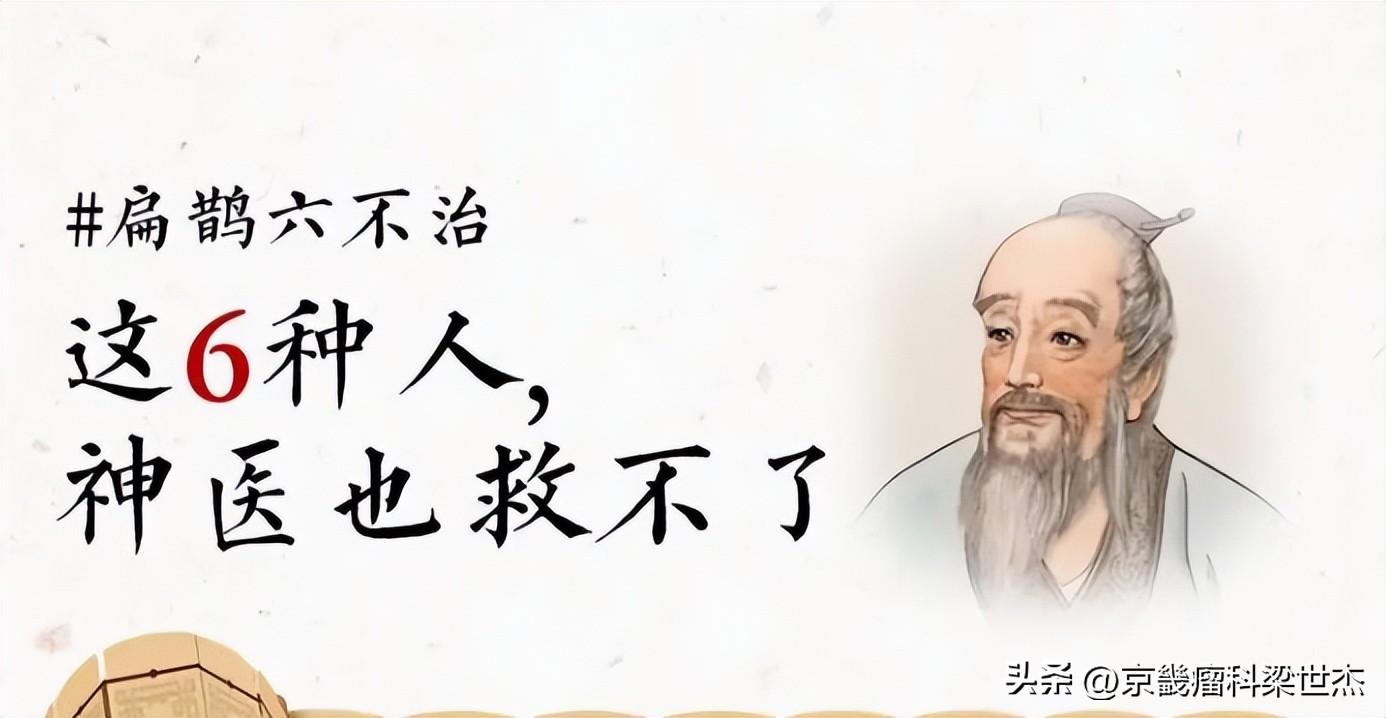
話說那 2000 年前,神醫扁鵲橫空出世,他醫術高超,能洞察人體之奧祕,起死回生之術令人驚歎。可就是這麼一位大神,卻提出了“六不治”原則,這原則就像一把利刃,劃破了當時醫療界那看似平靜的湖面。司馬遷那支如椽大筆,將這“六不治”鄭重地寫進了《史記》,讓後世之人得以窺見扁鵲的智慧與原則。
這“六不治”究竟是何方神聖?簡單來說,就是有那麼六種人,扁鵲覺得治起來難度太大,甚至可能白費力氣。比如那些驕恣不論於理的人,你跟他講醫理,他跟你耍脾氣,就像對牛彈琴,這病咋治?還有那些輕身重財的人,把錢看得比命還重,捨不得花錢治病,扁鵲也只能望而卻步。這“六不治”,看似無情,實則是對醫療現實的深刻洞察,是對疾病無法治癒的無奈嘆息。
扁鵲提出這“六不治”,不僅沒被人諷刺貶低道德不高尚,反而被傳頌千古,這是爲啥呢?因爲在那個時代,醫療資源有限,醫生也是人,不是神仙,不可能包治百病。扁鵲的“六不治”,是一種自我保護,也是對醫療規律的尊重。他就像一位江湖高手,知道自己有幾斤幾兩,不輕易接那些超出自己能力範圍的活兒,這是對自己負責,也是對病人負責。
今朝診所:拒絕患者,道德綁架的狂風暴雨
時光流轉,到了今天,這醫療的江湖可就大不一樣了。有那麼一傢俬人診所,就像當年的扁鵲一樣,提出了拒絕某些患者的要求。本以爲這不過是遵循醫療規律,合理分配資源的小事一樁,可沒想到,輿論的狂風暴雨瞬間就席捲而來。
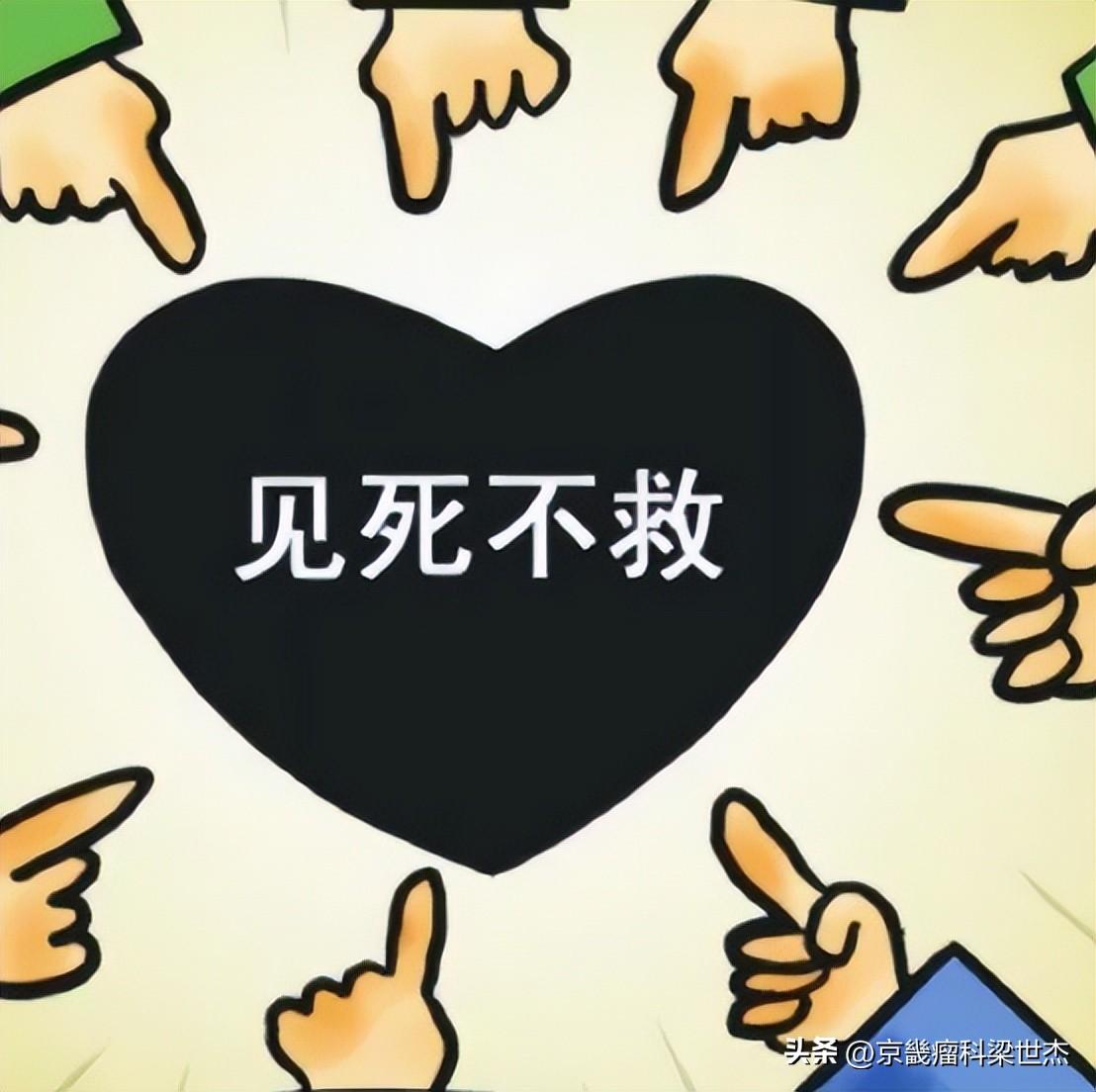
這輿論就像一羣憤怒的蜜蜂,圍着診所嗡嗡叫個不停,對其進行一邊倒的道德綁架。什麼“見死不救”“沒有醫德”之類的帽子,像雪花一樣紛紛揚揚地往診所頭上扣。這診所就像一個無辜的孩子,被一羣大人圍攻,百口莫辯。
同樣是私人醫生,爲啥扁鵲的“六不治”能被寫入史冊,而今朝診所的拒絕卻被罵得狗血淋頭呢?這其中的門道,可就值得好好琢磨琢磨了。
醫患矛盾:社會矛盾的“替罪羊”
在當下這個社會,公有制和私有制經濟並存,醫療就像一個被夾在中間的“小可憐”,還沒實現全民免費。就醫壓力大,醫療資源不足,就像兩個沉重的包袱,壓得醫患雙方都喘不過氣來。這醫患矛盾,就像一顆隨時可能爆炸的炸彈,一點就着。
當公共資源往醫療傾斜不夠的時候,就像一個家庭,父母把錢都花在了其他地方,對孩子的生活費卻摳摳搜搜。孩子沒錢買東西,心裏有氣,就只能找兄弟姐妹的麻煩。這醫患矛盾,其實就是社會矛盾在醫療領域的“替罪羊”。
道德綁架,就像一把簡單粗暴的武器,被一些人用來平衡醫患資源的失衡。他們不管三七二十一,只要醫生拒絕患者,就站在道德的制高點上,對醫生進行口誅筆伐。這就好比一個人自己不想努力,卻要求別人必須無私奉獻,否則就是壞人。這種邏輯,簡直荒謬至極。
市場經濟:醫療行業的“雙標”困境
咱再看看這市場經濟,在別的行業,那可是風生水起。汽車、手機等行業,都有高端、中端和低端的市場定位。廠家根據客戶的購買能力,設計出不同配置的產品,滿足不同羣體的需求。客戶也有權選擇自己適配的產品和服務,這就像在菜市場買菜,你想買貴的,就買貴的;想買便宜的,就買便宜的。大家各取所需,相安無事,也沒受到社會輿論的指責。
可到了醫療行業,這市場經濟就變了味道。同樣是私人醫院和私人診所,輿論卻對它們進行道德譴責和綁架。這就好比一個人在飯店喫飯,飯店根據客人的消費能力提供不同檔次的菜品,這是天經地義的事。可要是在醫院看病,醫生根據病情和醫療資源的情況,拒絕一些患者,就被罵得體無完膚。這難道不是一種“雙標”嗎?
其實,這背後的原因很簡單,就是公共資源對醫療投入的吝嗇。就像一個吝嗇的老闆,不願意給員工發足夠的工資,卻要求員工必須拼命工作。員工心裏有氣,就只能互相指責,內部矛盾激化。這醫患矛盾,就像員工之間的矛盾,根源在於老闆的吝嗇。
反思與出路:打破零和遊戲的困局
這醫患之間的矛盾,就像一場零和遊戲,一方贏了,另一方就輸了。可這場遊戲的背後,是整個社會和相關部門的失職。就像一個班級,同學之間鬧矛盾,老師不從根本上解決問題,卻讓同學們互相指責,這矛盾能解決嗎?
我們應該反思,爲什麼公共資源對醫療的投入如此吝嗇?爲什麼不能加大對醫療的投入,改善醫療條件,緩解就醫壓力?同時,我們也應該樹立正確的醫療觀念,尊重醫生的專業判斷,理解醫療資源的有限性。醫生不是神仙,不可能包治百病;患者也不是上帝,不能爲所欲爲。
就像扁鵲的“六不治”,它告訴我們,醫療有其自身的規律和侷限性。我們應該尊重這種規律,而不是用道德綁架去破壞它。只有這樣,我們才能打破這醫患矛盾的零和遊戲困局,讓醫療行業迴歸正軌,讓醫患雙方能夠和諧相處。
在這醫患的江湖裏,我們需要的是扁鵲的智慧和勇氣,而不是無端的指責和道德綁架。讓我們攜手共進,爲構建一個和諧、健康的醫療環境而努力吧!
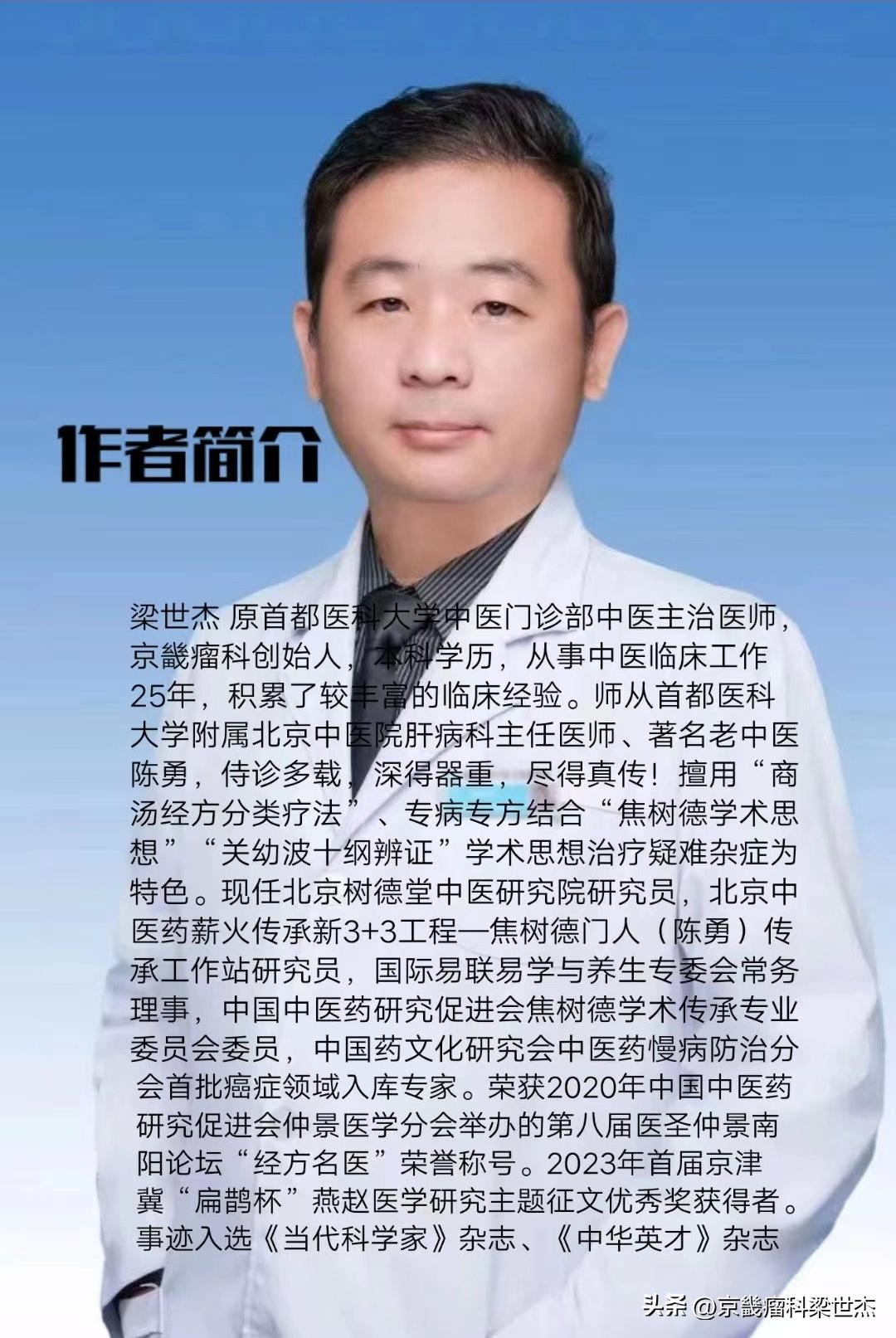
作者簡介:梁世傑 原首都醫科大學中醫門診部中醫主治醫師,京畿瘤科創始人,本科學歷,從事中醫臨牀工作25年,積累了較豐富的臨牀經驗。師從首都醫科大學附屬北京中醫院肝病科主任醫師、著名老中醫陳勇,侍診多載,深得器重,盡得真傳!擅用“商湯經方分類療法”、專病專方結合“焦樹德學術思想”“關幼波十綱辨證”學術思想治療疑難雜症爲特色。現任北京樹德堂中醫研究院研究員,北京中醫藥薪火傳承新3+3工程—焦樹德門人(陳勇)傳承工作站研究員,國際易聯易學與養生專委會常務理事,中國中醫藥研究促進會焦樹德學術傳承專業委員會委員,中國藥文化研究會中醫藥慢病防治分會首批癌症領域入庫專家。榮獲2020年中國中醫藥研究促進會仲景醫學分會舉辦的第八屆醫聖仲景南陽論壇“經方名醫”榮譽稱號。2023年首屆京津冀“扁鵲杯”燕趙醫學研究主題徵文優秀獎獲得者。事蹟入選《當代科學家》雜誌、《中華英才》雜誌。
The "Rivers of Healing" between Doctors and Patients: From the "Six-injured" Artemisia to the absurdity of today''s moral abduction
In this busy world of people, medical work has always been like a mess, cut and treated in a mess. At one end, it relates to life and death, at the other to the human heart, and it involves the complex entanglement between doctors and patients that has been unresolved for thousands of years.
The Antipode''s "Six Innocents": wisdom from ancient times, a mirror image from today
Then, 2,000 years ago, the healer Bianu was born. He was a wonderful healer who could see the mysteries of the human body, and his technique of coming back to life was amazing. But it was this goddess who came up with the principle of "six cures," which, like a sharp blade, broke through the seemingly calm lake of medical science at the time. Sima Qian''s large wooden pen solemnly wrote this "Six Cruciatus" into the History of China, allowing future generations to see the wisdom and principles of Pingu.
Where is the "Sinication" sacred? Simply put, there are six kinds of people that the lentils find too difficult to cure, and may even be in vain. For example, someone who is proud and irrational. You talk to him about medical sciences, and he plays with you like playing the piano to a cow. How can this be treated? There are also those who have very little money, who value money more than life, and cannot afford to spend money to cure diseases, and the lentil can only be deterred. These "six cures," which seem ruthless, are in fact profound insights into medical reality, and a resigned sigh of the inability to cure diseases.
When Panjiu proposed this "six immortals," not only was not satirized and devalued as morally immoral, but it was celebrated throughout the ages. Why is this? Because in those days, medical resources were limited, and doctors were human, not gods, and could not cure a hundred diseases. The "six cures" of the lentil are a form of self-protection and a respect for medical laws. He was like a master of the game. He knew that he had a few pounds and did not easily take on work that was beyond his ability. This was a responsibility to himself and to the patient.
Today''s Clinic: Rejection of Patients, Storms of Moral Abduction
Time has passed, but today, the medical world is very different. There was a private clinic, just like the lentils back then, that made a request to refuse certain patients. I thought this was just a small matter of following medical laws and allocating resources reasonably, but I didn''t realize that the storm of public opinion immediately engulfed me.
This public opinion is like a swarm of angry bees buzzing around the clinic, carrying out a one-sided moral abduction of it. Hats such as "death is not saved" and "there is no medical ethics" are slapped like snowflakes on the head of the clinic. The clinic was like an innocent child under siege by a group of adults who couldn''t argue.
Also a private doctor, why does the "six cures" of the lentil can be written into the history books, while the clinic''s refusal is now being reviled with bloodshed? The trick is worth thinking about.
Doctor-patient conflict: a scapegoat for social conflict
In today''s society, where public and private economies coexist, health care is like a "little pity" caught in the middle, and it has not yet become free for all. The pressure of medical treatment and the lack of medical resources are like two heavy baggage that both the doctor and the patient cannot breathe. This doctor-patient contradiction is like a bomb that could explode at any moment, at once.
When public resources aren''t sufficiently earmarked for health care, like a family, parents spend their money elsewhere while spending on their children''s living expenses. When a child doesn''t have money to buy things and is angry in his heart, he can only find trouble with his siblings. This doctor-patient contradiction is actually the "piggyback" of social contradictions in the medical field.
Moral kidnapping, like a simple and crude weapon, is used by some to balance the imbalance between medical and patient resources. They don''t care about anything, but as long as doctors refuse patients, they stand on the moral high ground and lash out at doctors. It''s like a person who doesn''t want to work, but requires others to give selflessly or be a bad person. This logic is absurd.
Market Economy: The healthcare industry''s "double standards" dilemma
Let''s look at this market economy. In other industries, it''s growing. Automotive, mobile phones and other industries have high-end, middle-end and low-end market positioning. Based on the purchasing power of customers, the manufacturer has designed different configurations of products to meet the needs of different groups. Customers also have the right to choose products and services that suit them. It''s like buying vegetables at a market. If you want to buy expensive, buy expensive. If you want to buy something cheap, buy something cheap. Everyone took care of each other''s needs, was okay with each other, and was not blamed by public opinion.
But when it comes to the medical industry, this market economy changes its flavor. Similarly, private hospitals and private clinics have been morally condemned and kidnapped by public opinion. It''s like a person eating at a restaurant, which offers different classes of dishes depending on the spending power of the guests, which is natural. However, if they visit a hospital, doctors refuse some patients based on their condition and medical resources, and they are insulted beyond repair. Isn''t this a double standard?
In fact, the reason behind this is simply that public resources are being shallow in healthcare. It''s like a stingy boss who doesn''t want to pay his employees enough, but requires them to work hard. When employees are angry, they can only blame each other, and internal conflicts intensify. This doctor-patient conflict, like the conflict between employees, is rooted in the pettyness of the boss.
Reflections and a Way Out: Breaking the Zero-Sum Puzzle
This contradiction between doctors and patients is like a zero-sum game, where one side wins and the other loses. But behind this game is the failure of the whole society and the relevant departments. Like a class where students have a conflict with each other. The teacher does not address the root cause of the problem, but leaves the students to blame each other, can this conflict be resolved?
We should reflect on why public resources are so stingy in spending on health care. Why can''t we invest more in medical care, improve medical conditions and ease the pressure of medical treatment? At the same time, we should also establish correct medical concepts, respect the professional judgment of doctors, and understand the limited nature of medical resources. Doctors are not gods and cannot cure a hundred diseases. The patient is not God, nor can he do whatever he wants.
Like the lentil''s "six cures," it tells us that medical treatment has its own rules and limitations. We should respect this law, not use moral abduction to undermine it. Only in this way can we break the zero-sum game situation of doctor-patient contradictions, put the medical industry back on track, and allow both doctors and patients to live in harmony.
In this world of doctors and patients, what we need is the wisdom and courage of the lentils, not unwarranted accusations and moral abductions. Let us work together to create a harmonious and healthy medical environment.
Author profile: Liang Shi-jie was a chief physician of traditional Chinese medicine at the Traditional Chinese Medicine Outpatient Clinic of Capital Medical University. He was the founder of Jingyi Tumor Clinic. He holds a bachelor’s degree and has been engaged in clinical work in traditional Chinese medicine for 25 years, accumulating extensive clinical experience. He studied under Chen Yong, a renowned senior traditional Chinese medicine practitioner at the Hepatology Department of Beijing Traditional Chinese Medicine Hospital affiliated to Capital Medical University. Over the years, he gained great respect and acquired genuine expertise. He specializes in using the “Shang Tang Classic Classification Therapy” and combining specific treatments for specific diseases with the “Jiao Shu-de Academic Thought” and the “Guan You-bo Ten-Principle Diagnosis” approach to treat complex medical conditions. He is currently a researcher at the Beijing Shu-de-Tang Traditional Chinese Medicine Research Institute and a researcher at the Beijing New 3+3 Project for the Inheritance of Traditional Chinese Medicine – Jiao Shu-de’s Disciples (Chen Yong) Heritage Workstation. He is a Standing director of the International Yi-lian Yi-xue and Health Preservation Committee and a member of the Committee for the Inheritance of Jiao Shu-de’s Academic Thought of the China Research Promotion Association for Traditional Chinese Medicine. He is also a member of the inaugural Cancer Expert Pool of the China Cultural Research Association for Traditional Chinese Medicine’s Prevention of Chronic Diseases. He was awarded the title of “Expert in Classic Prescriptions” at the Eighth Nanyang Forum of the Zhang Zhongjing Medical Division of the China Research Promotion Association in 2020. In 2023, he won the Excellence Award in the First Beijing-Tianjin-Hebei “Bian Que Cup” Yan-Zhao Medical Research Theme Essay Competition. His achievements have been featured in the magazines “Contemporary Scientists” and “China’s Elite”.