探祕“氣沉丹田”:中醫呼吸的生命密碼
在醫學的浩瀚星空中,中醫與西醫宛如兩顆風格迥異卻又各自璀璨的星辰,各自散發着獨特的光芒,照亮人類探索生命奧祕的漫漫長路。今天,咱們就一頭扎進中醫那充滿神祕色彩的世界,去揭開“氣沉丹田”這一中醫獨有的生理觀背後隱藏的祕密。
腎爲氣根:年老氣短背後的祕密
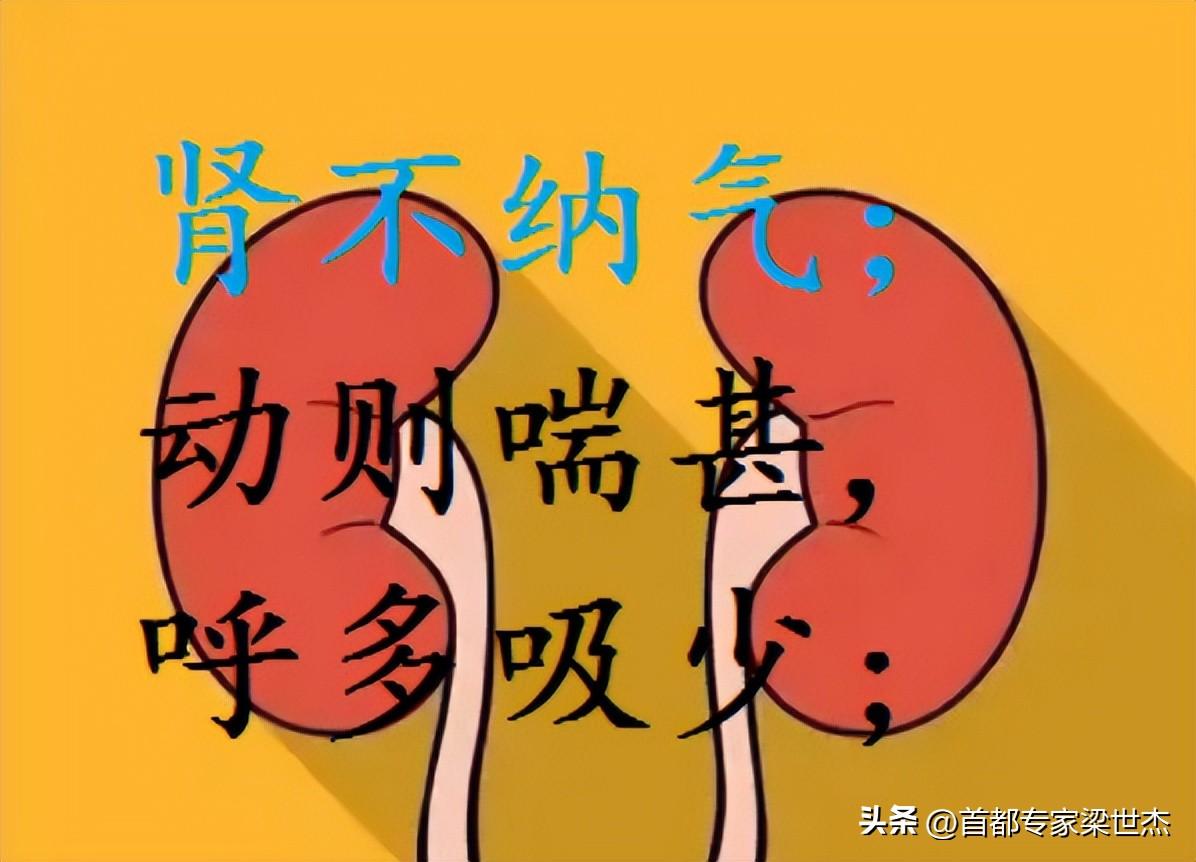
中醫有云:“腎爲氣之根。”這可不是一句空泛的口號,而是有着實實在在的生活依據。咱不妨把人體想象成一個精密運轉的大工廠,腎就像是工廠裏那個默默堅守崗位、提供動力的核心發電機。空氣的吸入,就如同工廠從外界採購原材料,而這一過程,離不開肝與腎的協同參與。
生活中,我們常常會看到這樣的場景:一些上了年紀的老人,稍微活動一下,就氣喘吁吁,彷彿置身於空氣稀薄的高原之上。這可不是他們故意裝柔弱,而是腎虛在作祟。中醫講“腎不納氣”,就好比發電機的功率不足,無法爲工廠的正常運轉提供足夠的能量,導致原材料(空氣)的採購過程出現障礙,人自然就氣短乏力了。據一項針對老年人羣體的健康調查顯示,超過60%的老年人存在不同程度的腎虛問題,而其中又有相當一部分人伴有氣短的症狀,這充分說明了腎與呼吸之間的緊密聯繫。
陰陽之道:氣體升降出入的奧祕
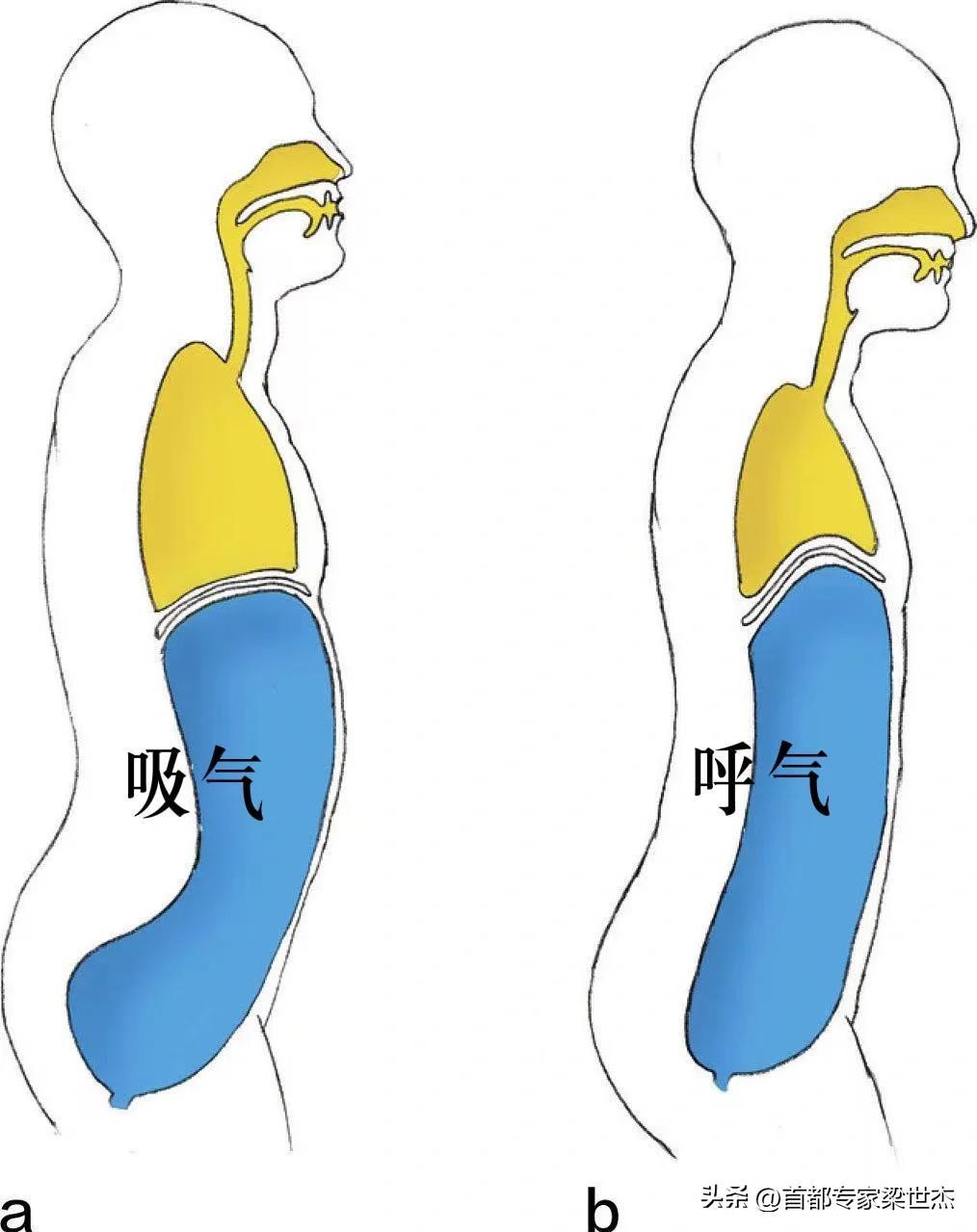
“呼出心與肺,吸入肝與腎。”這句古老的中醫名言,宛如一把神奇的鑰匙,爲我們打開了人體與自然界交換氣體的大門。古人運用陰陽變化的深邃道理,巧妙地解釋了氣體升降出入的原理。這可不是像西醫那樣,用具體的結構、管道來描述呼吸系統,而是一種系統關係的精妙闡述。
想象一下,人體就像一個小宇宙,與外界的大宇宙相互呼應、相互影響。氣體的呼出與吸入,就如同小宇宙與大宇宙之間的能量交換。心與肺如同小宇宙中的“出氣口”,負責將體內的廢氣排出;而肝與腎則像“進氣口”,將外界的新鮮空氣吸納進來。這種陰陽平衡、升降有序的過程,維持着人體這個小宇宙的正常運轉。就像一場精心編排的舞蹈,每一個動作都恰到好處,每一個環節都緊密相連。
氣沉丹田:氣功修煉的精髓所在
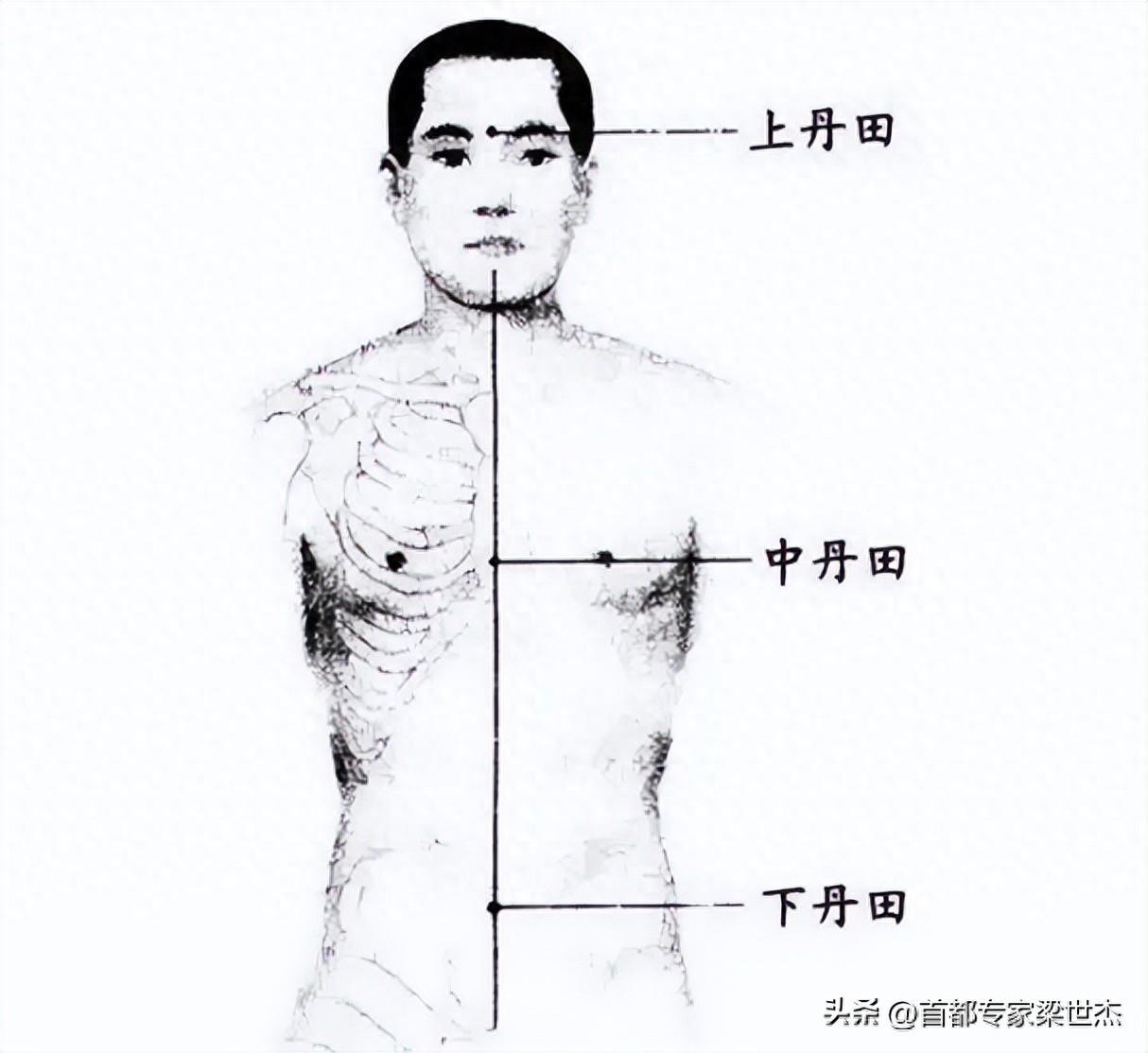
說起“氣沉丹田”,那可是氣功修煉中的核心要訣。所謂丹田,就是肚臍之下的氣海丹田,它就像是人體能量的儲存庫。氣功師練功時,講究將氣沉入丹田,這就好比給能量庫充電,讓身體充滿源源不斷的動力。
如果一個人的氣總是浮在上部,就像無根的浮萍,隨風飄蕩,無法穩定下來,那麼他就練不成氣功,更無法藉助氣功來健身祛病。我有個朋友,曾經對氣功充滿好奇,便跟着一位所謂的“大師”學習。結果,由於沒有掌握“氣沉丹田”的要領,練了一段時間後,不僅沒有達到強身健體的效果,反而感覺身體更加虛弱,精神也萎靡不振。後來,在一位真正的中醫氣功專家的指導下,他才明白了“氣沉丹田”的重要性,經過一段時間的刻苦練習,終於感受到了氣功帶來的神奇變化,身體也越來越健康。
千年傳承:呼吸吐納的強身瑰寶
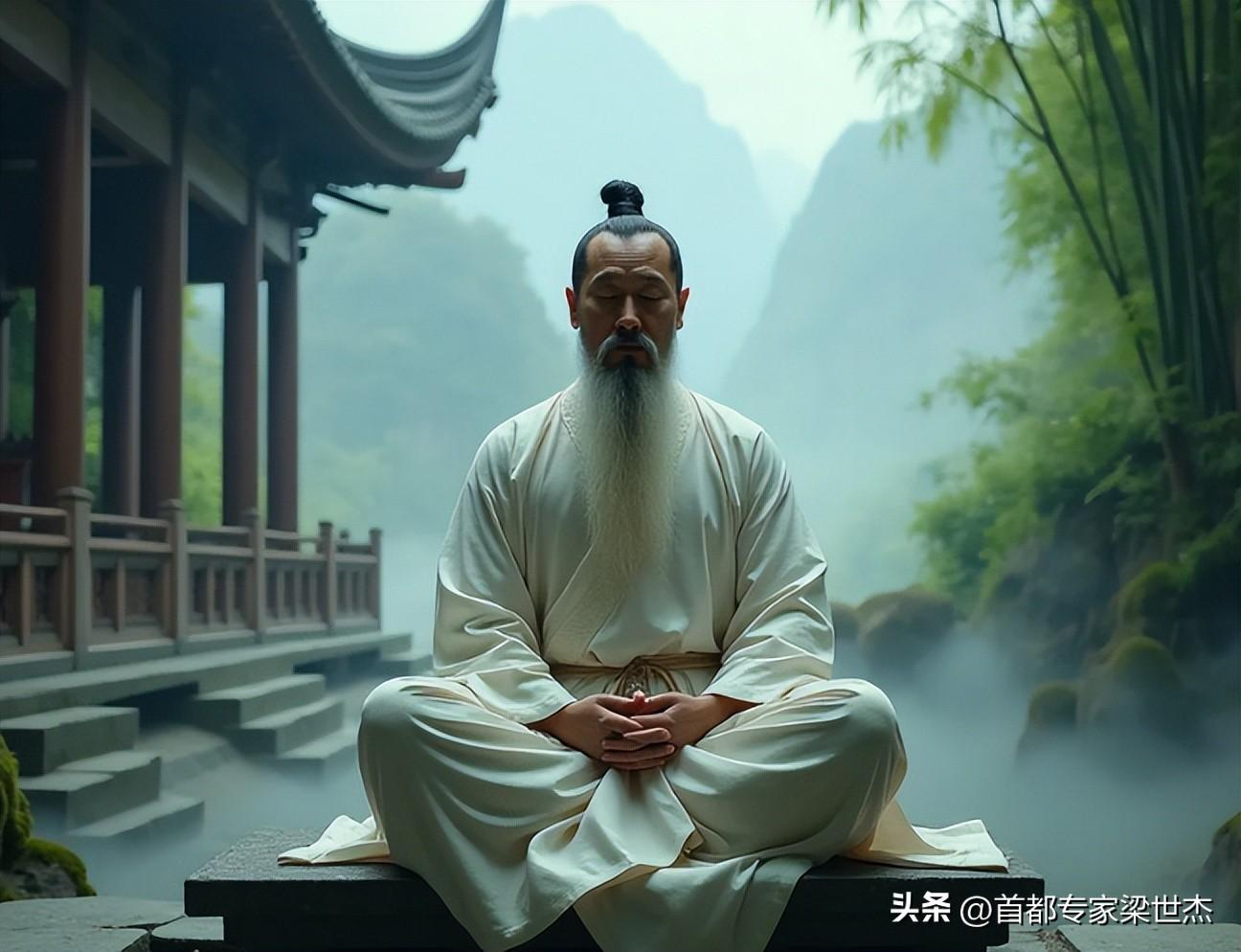
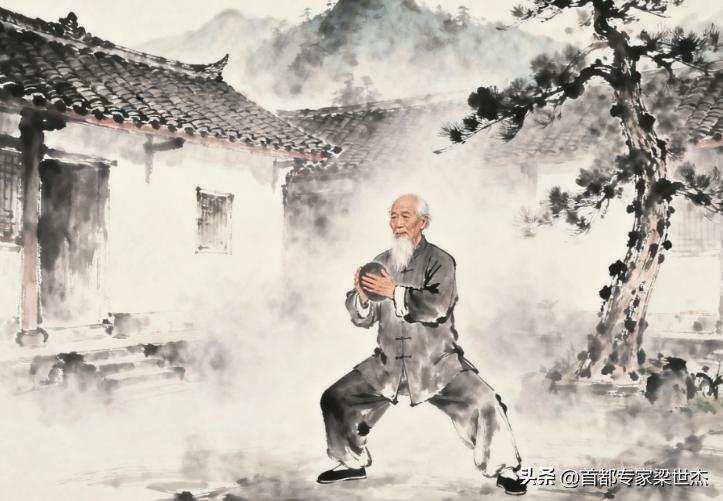
中醫呼吸吐納的氣功術,可不是近代纔出現的新玩意兒,它在2000多年前的先秦時代就已經有了雛形。經過幾千年的不斷驗證和改進,這門古老的藝術就像一顆經過歲月打磨的寶石,愈發閃耀着璀璨的光芒。
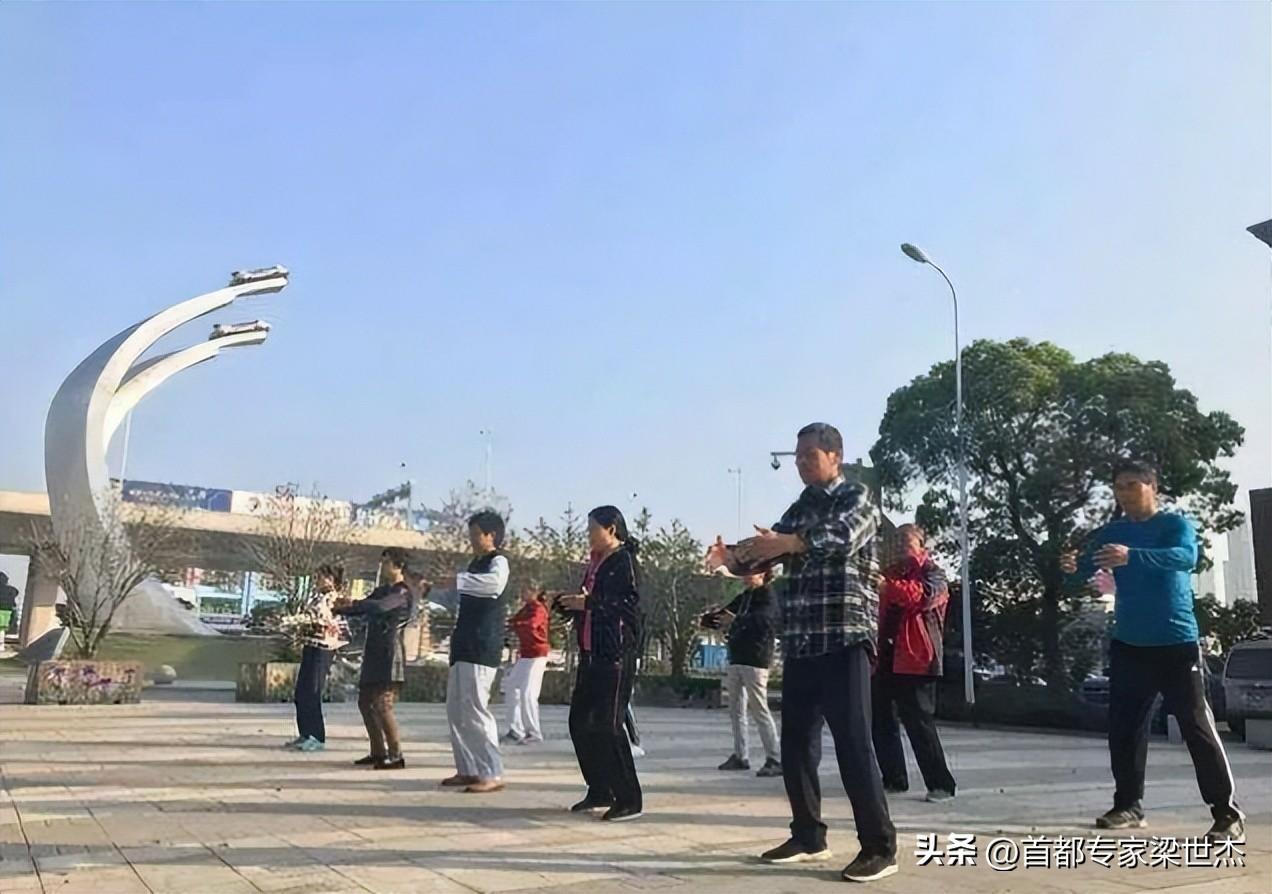
現代科學研究也證實了中醫呼吸吐納氣功術的神奇功效。一項由權威科研機構進行的研究表明,長期堅持練習中醫氣功的人,其身體的免疫力、心肺功能、神經系統調節能力等方面都有顯著的提升。與不練習氣功的人羣相比,練習者的感冒發生率降低了近40%,心肺功能的各項指標也有了明顯的改善。而且,氣功練習還能有效緩解壓力、改善睡眠質量,讓人們在忙碌的生活中找到一片寧靜的港灣。
東西碰撞:中西醫呼吸觀的不同視角
中醫的呼吸生理描述與西醫的呼吸系統結構描述,就像兩條不同的河流,雖然最終都流向生命健康的大海,但它們的源頭和流向卻截然不同。西醫注重從具體的解剖結構和生理功能入手,用精確的數據和科學的實驗來解釋呼吸過程;而中醫則更強調整體觀念和系統關係,從陰陽平衡、氣血運行的角度來理解人體的呼吸。
這兩種不同的視角,並不是相互排斥的,而是可以相互補充、相互借鑑的。就像一幅美麗的畫卷,西醫的描述爲畫卷勾勒出了精細的輪廓,而中醫的闡述則爲畫卷增添了豐富的色彩和深邃的內涵。在現代醫學的發展中,我們應該以開放的心態,汲取中西醫各自的精華,爲人類的健康事業貢獻更多的智慧和力量。
“氣沉丹田”,這一中醫獨有的生理觀,就像一座神祕的寶藏,蘊含着無盡的智慧和奧祕。它不僅讓我們瞭解了人體與自然界之間的微妙聯繫,還爲我們提供了一種強身健體、預防疾病的有效方法。讓我們走進中醫的世界,感受這古老智慧的魅力,用“氣沉丹田”的力量,開啓健康美好的人生之旅。
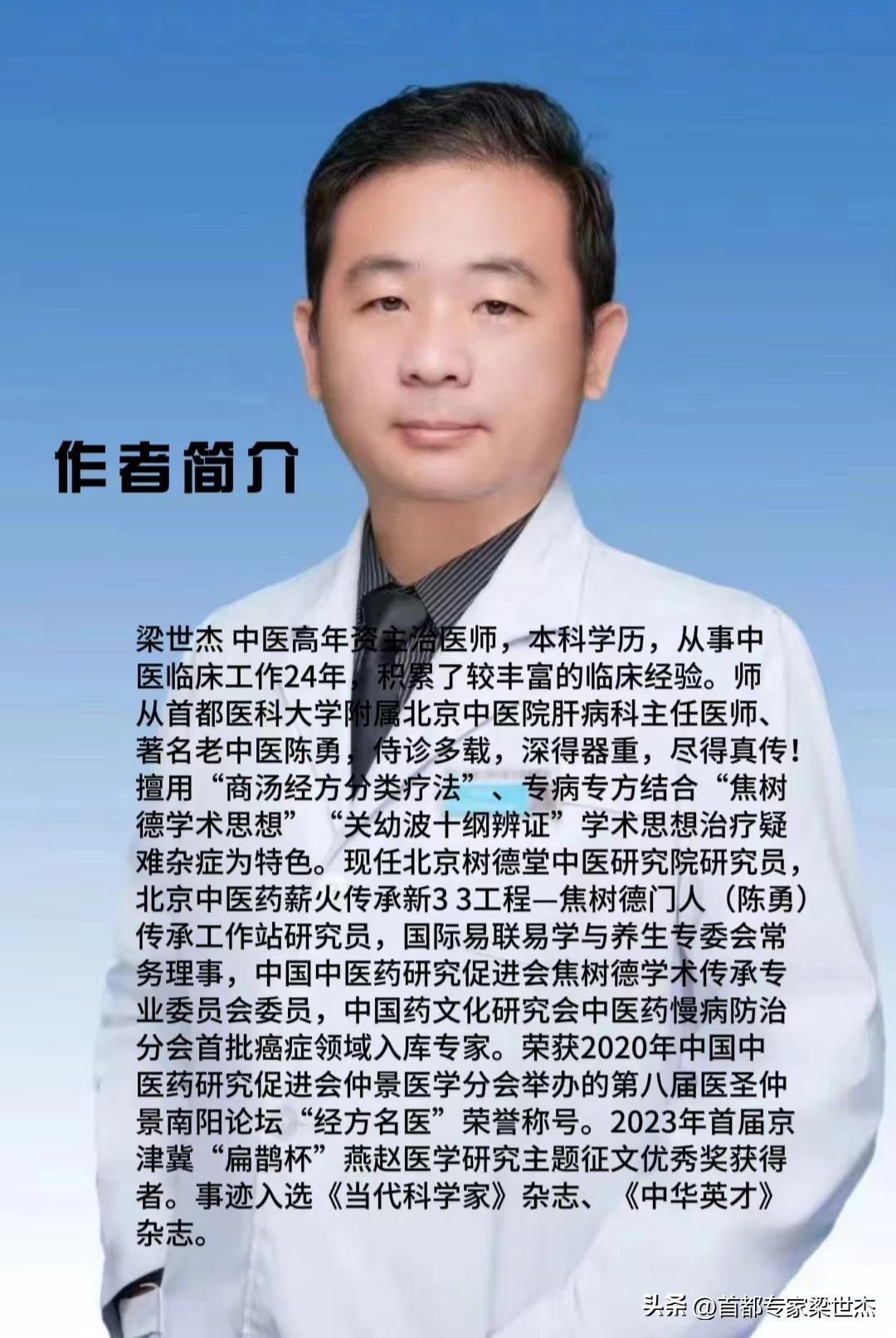
作者簡介:梁世傑 中醫高年資主治醫師,本科學歷,從事中醫臨牀工作24年,積累了較豐富的臨牀經驗。師從首都醫科大學附屬北京中醫院肝病科主任醫師、著名老中醫陳勇,侍診多載,深得器重,盡得真傳!擅用“商湯經方分類療法”、專病專方結合“焦樹德學術思想”“關幼波十綱辨證”學術思想治療疑難雜症爲特色。現任北京樹德堂中醫研究院研究員,北京中醫藥薪火傳承新3+3工程—焦樹德門人(陳勇)傳承工作站研究員,國際易聯易學與養生專委會常務理事,中國中醫藥研究促進會焦樹德學術傳承專業委員會委員,中國藥文化研究會中醫藥慢病防治分會首批癌症領域入庫專家。榮獲2020年中國中醫藥研究促進會仲景醫學分會舉辦的第八屆醫聖仲景南陽論壇“經方名醫”榮譽稱號。2023年首屆京津冀“扁鵲杯”燕趙醫學研究主題徵文優秀獎獲得者。事蹟入選《當代科學家》雜誌、《中華英才》雜誌。
Discover the "Breathing Danden": The Life Code of Traditional Chinese Medicine for Respiration
In the vast cosmos of medicine, Chinese medicine and Western medicine are like two different styles but each bright star, each radiating a unique light that illuminates the long road of human exploration of the mysteries of life. Today, we are diving headlong into the mysterious world of traditional Chinese medicine to uncover the secret behind the unique physiological view of traditional medicine, namely, "Breathing and Danden."
The kidney is the root of breath: the secret behind old age and shortness of breath
Chinese medicine says, "The kidney is the root of the qi." This is not an empty slogan, but it has a very real basis for life. Think of the human body as a very sophisticated factory, where the kidney is like the core generator that silently holds the job and provides power. Inhalation of air is like a factory procuring raw materials from the outside world, and this process requires the concerted participation of the liver and kidneys.
In life, we often see scenes of elderly people who, when they move a little, are breathless, as if they are on a plateau with thin air. This is not because they deliberately pretend to be weak, but because the kidneys are weak. Chinese medicine says that "the kidney does not breathe," like the power of a generator is insufficient, and cannot provide enough energy for the normal operation of a factory, leading to obstacles in the procurement process of raw materials (air), and people naturally have shortness of breath and fatigue. According to a health survey of the elderly population, more than 60% of the older adults have some degree of hyponephremia, and a significant number of them have shortness of breath, which fully illustrates the close connection between the kidney and breathing.
The Yin and Yang Way: The Mystery of Gas Rise, Fall and Exit
"Exhale the heart and lungs, and inhale the liver and kidneys." This ancient Chinese medicine famous saying is like a magic key that opens the door for us to exchange gases between the human body and nature. The ancient people used the profound principle of yin and yang changes and skillfully explained the principle of gas rising, falling and entering. This is not like Western medicine, with specific structural, pipe to describe the respiratory system, but a subtle exposition of the relationship between the system.
Imagine that the human body is like a small universe, which interacts with and influences each other with the larger universe of the outside world. The exhalation and inhalation of gas is like the exchange of energy between the small and large universes. The heart and lungs are like "air vents" in the small universe, and are responsible for removing waste gas from the body. The liver and kidneys act as "inlets of air," absorbing fresh air from the outside world. This process of yin and yang balance and orderly ascension and descent maintains the normal operation of the small universe of the human body. It''s like a choreographed dance, where every movement is right and every step is closely connected.
Qigong Danden: The essence of Qigong practice lies
When it comes to "Breathing Deep Danden," it is the core principle of qigong. The so-called endogen field, which is the gas sea beneath the navel, is like a storehouse of human energy. When Qi Gong practitioners practice, they focus on sinking the qi into the field of Dan, which is like recharging the energy bank and filling the body with a constant stream of energy.
If a person''s breath always floats in the top, like a rootless drifting float, floating with the wind and unable to stabilize, then he cannot practice qigong, still less can he use qigong to exercise and cure diseases. A friend of mine was once curious about qigong and followed a so-called "master" to study it. As a result, because he did not master the mastery of breathing and conditioning, after practicing for a period of time, not only did he not achieve the effect of strengthening body, but he felt more physically weak and mentally weak. Later, under the guidance of a true Chinese traditional Chinese qigong expert, he understood the importance of "qigong asana". After a period of painstaking practice, he finally felt the magical changes brought by qigong, and his body became more and more healthy.
Millennium heritage: breathing tonic is a powerful treasure
Traditional Chinese breathing-to-transpiration qigong is not a new phenomenon that has emerged in recent times; it already had a prototype in the pre- Qin era more than 2,000 years ago. After thousands of years of constant verification and improvement, this ancient art shines brighter and brighter like a gem that has been polished over the years.
Modern scientific research has also confirmed the magical effects of traditional Chinese breathing and breathing gong. A study conducted by an authoritative scientific research institution shows that people who practice TCM Qigong for a long time have a significant improvement in their immune system, heart and lung function, nervous system regulation and so on. Compared with people who did not practice Qigong, the incidence of colds was reduced by nearly 40%, and various indicators of cardiorespiratory fitness were also significantly improved. In addition, qigong practice can also effectively relieve stress, improve sleep quality, and allow people to find a peaceful haven in their busy lives.
Things Collision: Different Perspectives of Chinese and Western Perspectives on Respiration
The respiratory physiology described in TCM and the respiratory system described in Western medicine are just like two different streams. Although they both flow to the healthy sea, their sources and directions are different. Western medicine focuses on the specific anatomy and physiological function, and uses accurate data and scientific experiments to explain the breathing process. TCM, on the other hand, places greater emphasis on holistic concepts and systemic relationships, understanding human breathing from the perspective of yin and yang balance and the operation of qi and blood.
These two different perspectives are not mutually exclusive, but can complement and learn from each other. Like a beautiful painting, Western medicine''s description outlines the fine outline of the painting, while Chinese medicine''s formulation adds rich colors and deep implications to the painting. In the development of modern medicine, we should keep an open mind, absorb the essence of both Chinese and Western medicine, and contribute more wisdom and strength to the cause of human health. Huawei Technologies Co.
"Breathing and healing fields," this unique view of physiology in TCM, is like a mysterious treasure, containing endless wisdom and mysteries. Not only does it give us an understanding of the delicate connection between the human body and nature, but it also provides us with an effective way to stay fit and prevent disease. Let us enter the world of traditional Chinese medicine, feel the charm of this ancient wisdom, and use the power of "calming the jade" to start a healthy and beautiful life.
Author Bio: Liang Shijie is a senior medical practitioner in traditional Chinese medicine with an undergraduate degree. He has been engaged in traditional medicine clinical work for 24 years and has accumulated a wealth of clinical experience. Following Chen Yong, chief physician of liver disease at Beijing Traditional Medicine Hospital, affiliated with Capital Medical University, and renowned old Chinese medicine, he has been treated for many years and received great attention. He specializes in the treatment of difficult diseases using "conversational traditional therapy" and special treatments combined with the academic ideas of Jiao Shude and Guan Yubo''s ten-level diagnosis.He is currently a researcher at the Shude Tang TCM Research Institute in Beijing, a fellow at the new 3 + 3 project of traditional Chinese medicine flame inheritance in Beijing - a scholar at the inheritance workstation of Jiao Shude''s protégés (Chen Yong),He is a standing committee member of the International Expert Committee on E-learning and Health Care, a member of the Jiao Shude Academic Heritage Special Committee of the Chinese Association for the Advancement of Chinese Medicine Research, and the first cancer specialist to be included in the chapter of the Chinese Pharmaceutical Culture Research Association. Won the 2020 China Association for the Promotion of Traditional Chinese Medicine Zhongjing Medical Branch held the eighth session of the Medical Saint Zhongjing Nanyang Forum "Classic Prescription Famous Doctor" honorary title. The winner of the first Beijing-Tianjin-Hebei "Pingui Cup" Yanzhao Medical Research Essay Award in 2023. His work was featured in the journal Current Scientist and the journal Chinese Talent.