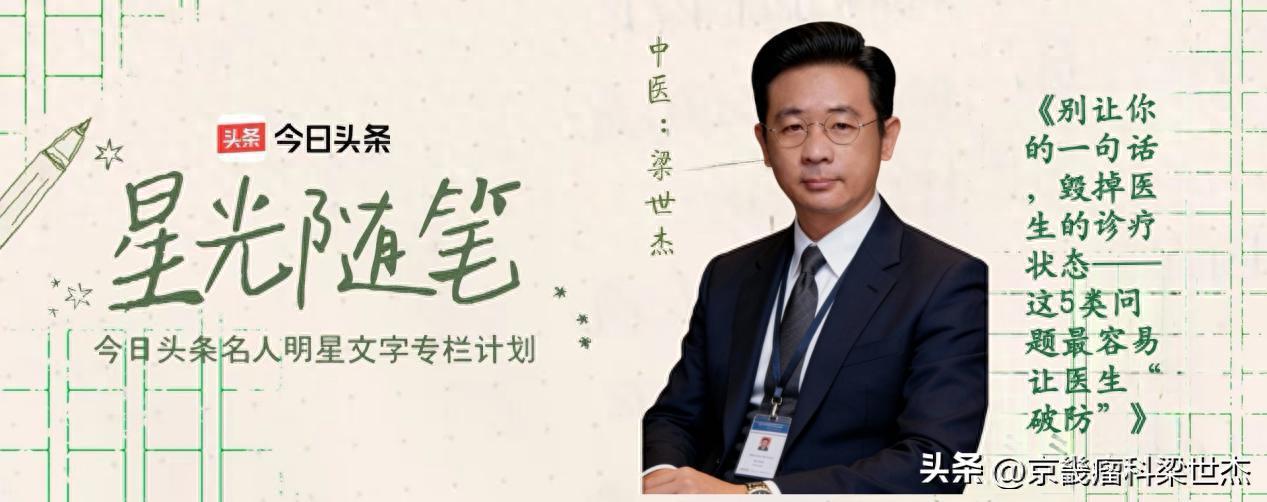
別讓你一句話,毀掉醫生診療狀態——這5類問題最容易讓醫生破防
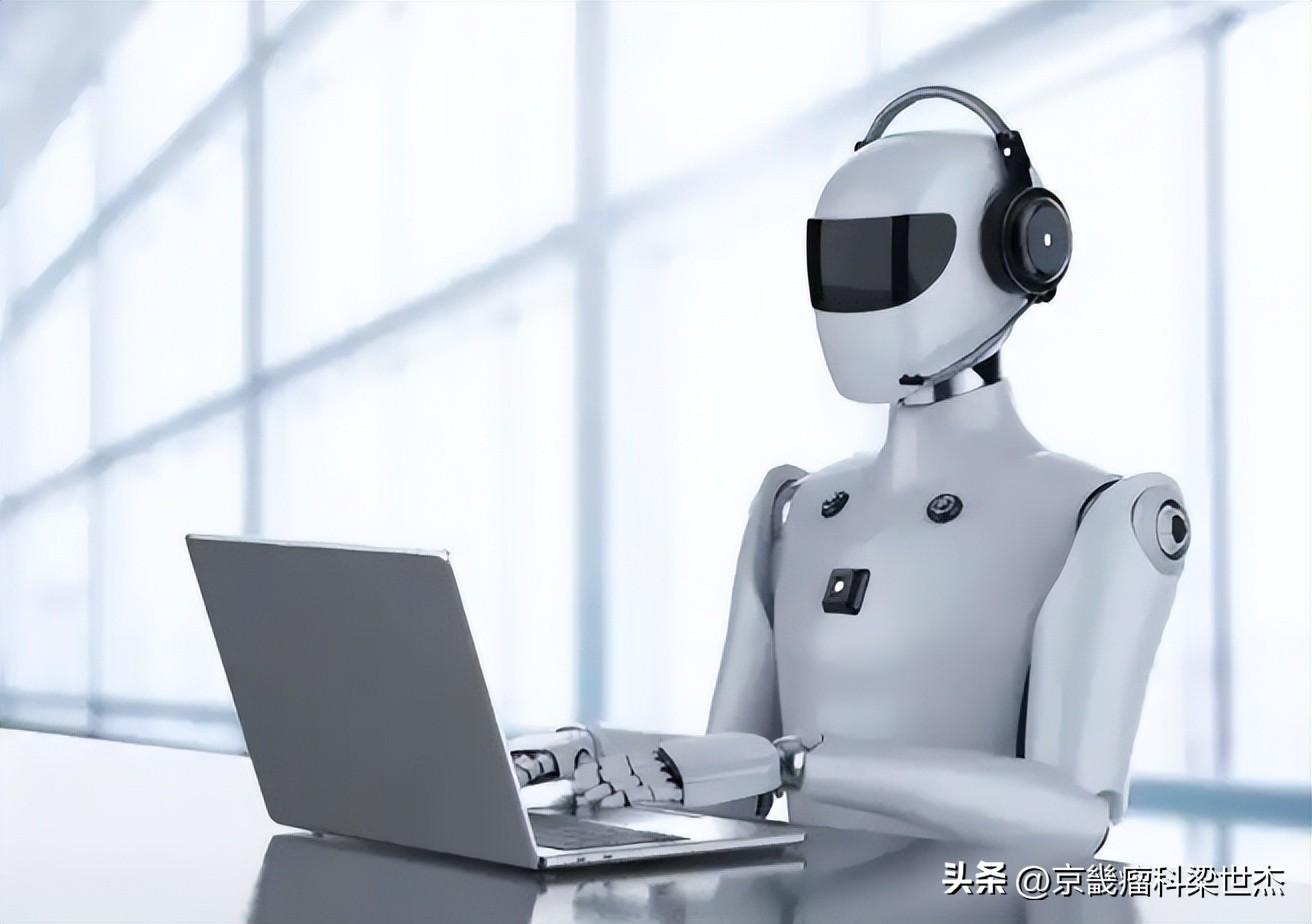
醫生不是AI,更不是永動機。
他們沒有24小時在線的理性程序,沒有屏蔽情緒的防火牆,和我們一樣,會疲憊、會煩躁、會被一句話戳中情緒開關。一旦情緒佔了上風,再專業的判斷力也會打折扣。作爲患者,我們可以不懂醫學,但絕不能“冒傻氣”——你問的每一句話,都在悄悄影響診療質量。
真正聰明的患者,從不考驗醫生的情緒穩定性,只尊重醫學的客觀規律。下面這5類問題,看似平常,卻是最容易點燃醫患矛盾、拉低診療效果的“雷區”。
1. 一上來就“百度看病”,用碎片化知識挑戰專業判斷
“醫生,我百度說我這是癌症。”
“網上說了,這個藥副作用很大,你怎麼還給我開?”
百度不是診斷書,短視頻更不是行醫執照。醫生苦讀十年、行醫數年,不是爲了和你爭論搜索引擎裏的片面結論。這類問題最直接消耗醫生耐心:你帶着預設的“病情”來質疑,等於從一開始就關上了溝通的門。
有臨牀調查顯示,門診中近60% 的情緒摩擦,都源於患者用網絡僞知識否定醫生判斷。醫生要先花一半精力破除你的錯誤認知,再談診療,效率大打折扣。你以爲是“多懂點”,其實是在給診療添堵。
2. 上來就問“能不能根治”“保證好不好”
“醫生,你能不能保證我治好?”
“這藥喫了能不能去根?”
醫學從來不是賭咒發誓的行業,而是講概率、講個體差異的科學。即便是頂尖專家,也不敢對所有病情拍胸脯承諾。
你要的是一句定心丸,醫生聽到的卻是不信任。頻繁追問“保證”,本質是把醫療當買賣,把醫生當神仙。這種壓力會讓醫生被迫用話術安撫你,而非專注病情。越想得到絕對答案,越容易得到不客觀的回應,這是醫患之間最可惜的內耗。
3. 拿別人的方案硬套自己:“別人都這麼治好的”
“我鄰居就是喫這個藥好的,你也給我開。”
“別人花幾百就看好了,我怎麼要這麼多檢查?”
人與人之間,體質、病情、基礎病千差萬別。別人的藥方,可能是你的毒藥;別人的捷徑,可能是你的彎路。
醫生最無奈的,就是用專業知識解釋“個體化差異”,卻抵不過患者口中的“別人說”。這種對比,本質是否定醫學的嚴謹性,也是對自己身體的不負責。你看似在“抄作業”,其實是在拿健康冒險,更在消耗醫生的情緒。
4. 隱瞞病史、撒謊、遮遮掩掩,讓醫生猜謎
“以前沒什麼病……(其實有多年高血壓)”
“沒喫過別的藥……(私下在喫偏方)”
醫生診療,靠的是信息。你瞞一句,醫生的判斷就偏一分。
隱瞞病史、誇大或縮小症狀、偷偷使用偏方卻不承認,是最愚蠢的行爲。醫生一旦發現被隱瞞,情緒會瞬間緊繃——這不僅是不信任,更是在製造醫療風險。你省了一時尷尬,可能換來誤診、用藥衝突,最後買單的還是自己。
5. 指揮醫生看病:“你直接給我開這個檢查/藥就行”
“別廢話,給我開CT。”
“我不用你看,你就按我說的開。”
醫生是診療的主導者,不是執行你指令的工具人。
這類強勢指揮式提問,最容易觸發醫生的逆反心理。你越指揮,醫生越不敢隨意依從——怕你漏診、怕你亂用藥、怕承擔不必要的風險。最後變成:你嫌醫生囉嗦,醫生怕你出事,雙方都在情緒裏內耗,診療質量直線下降。
寫在最後:好的診療,從“不折騰情緒”開始
醫者是人,不是AI。
他們有疲憊,有壓力,有情緒波動,這不是藉口,而是事實。
我們作爲患者,可以是醫學外行,但不能做認知傻瓜:
不拿網絡知識碰瓷專業,
不逼醫生承諾做不到的事,
不拿別人的方案套自己,
不隱瞞病史坑自己,
不居高臨下指揮醫生。
你給醫生一份信任、一份尊重、一份清晰的信息,醫生才能把全部精力用在病情上,而不是用在安撫情緒上。
最好的醫患關係,從來不是互相考驗、互相提防,而是你放心託付,我專業擔當。少一句傻話,多一分理性,診療就會少一分彎路,多一分安心。
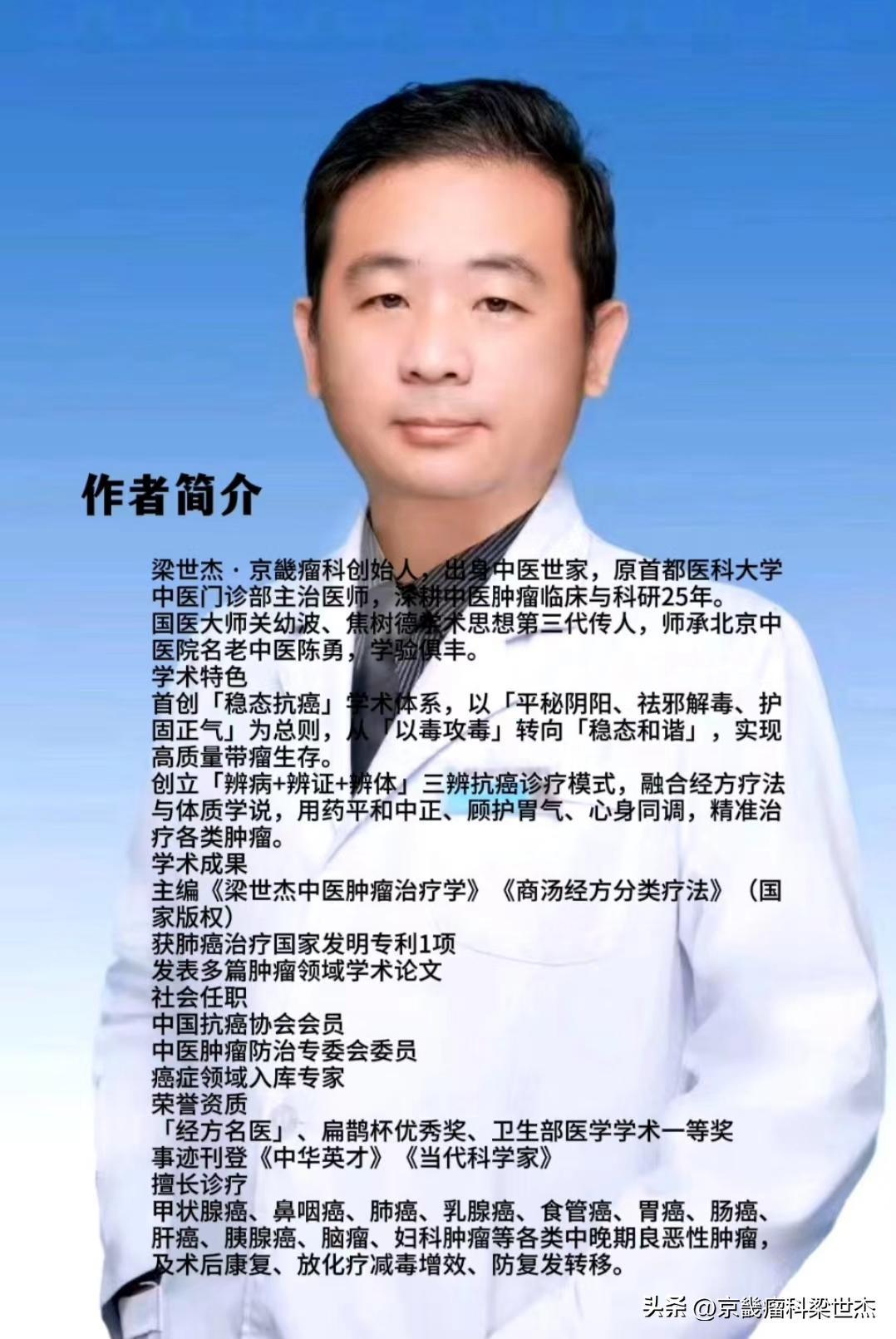
作者簡介:梁世傑,京畿瘤科創始人,出身中醫世家,原首都醫科大學中醫門診部主治醫師,畢業於河北醫科大學,深耕中醫腫瘤臨牀與科研25年。爲國醫大師、肝病泰斗關幼波,風溼病泰斗焦樹德學術思想第三代傳人,師承首都醫科大學附屬北京中醫院肝病科知名老中醫陳勇,侍診研習多年,盡得真傳,學驗俱豐。
一、學術思想與診療特色
作爲中醫腫瘤領域體系化創新學者,首創“穩態抗癌”核心學術體系,提出從“以毒攻毒”向“穩態和諧”範式轉型,以“平祕陰陽、祛邪解毒、護固正氣”爲治療總則,立足《黃帝內經》“正氣存內”理念,明確腫瘤爲全身失衡的局部顯現,通過調理臟腑氣血、改善“癌狀態”體質、切斷腫瘤微環境,實現高質量帶瘤生存,爲中晚期腫瘤治療確立“以人爲本、生命優先”的價值導向。
臨牀構建“辨病+辨證+辨體”三辨精準診療模式,融合抗癌專病專方與“商湯經方分類療法”、關幼波十綱辨證與焦樹德學術思想,創新“易學中醫辯證哲學思維模式”及象數五行體質應用;用藥恪守平和中正、攻補兼施、顧護胃氣原則,堅持全週期協同治療、心身同調,實現個體化、低損傷、長獲益的腫瘤診療目標。
二、學術與科研成果
主編專著:《梁世傑中醫腫瘤治療學》《商湯經方分類療法》,均獲國家版權登記;
發明專利:“三花五子六白散”治療肺癌國家發明專利1項;
學術論文:發表《古方青龍丸治療中晚期肺癌20例》等多篇腫瘤領域高價值學術論文。
三、學術任職
中國抗癌協會會員
衛生部中國醫促會中醫腫瘤防治專委會委員
中國藥文化研究會中醫藥慢病防治分會首批癌症領域入庫專家
四、榮譽與影響力
先後榮獲第八屆醫聖仲景南陽論壇“經方名醫”、首屆京津冀“扁鵲杯”燕趙醫學徵文優秀獎、衛生部全國醫學學術一等獎。學術事蹟榮登《中華英才》《當代科學家》等權威期刊,是國內中醫腫瘤領域理論體系完整、學術特色鮮明、臨牀療效確切的實力派專家。
五、擅長診療範圍
甲狀腺癌、鼻咽癌、肺癌、肺結節、乳腺癌、食管癌、胃癌、萎縮性胃炎、腸化生、腸癌、肝癌、胰腺癌、腎癌、膀胱癌、前列腺癌、淋巴瘤、腦瘤、宮頸癌、卵巢癌等各類中晚期良惡性腫瘤,及術後康復、放化療減毒增效、防復發轉移等疑難病症。
Don''t let one word ruin your doctor''s ability to treat them - these are the five types of problems that are most likely to cause doctors to break their defense
Doctors are not AI, and certainly not perpetual motion machines.
They don''t have a rational program that''s online 24 hours a day, no firewall that blocks emotions, and like us, they get tired, they become irritable, and they get hit the mood switch with a sentence. Once emotions prevail, professional judgment can be compromised. As patients, we may not understand medicine, but we must not be "stupid" - every word you ask quietly affects the quality of care.
Truly intelligent patients never test the emotional stability of doctors and respect only the objective laws of medicine. The following five types of problems, while seemingly ordinary, are the "mined areas" that are most likely to ignite doctor-patient conflicts and reduce the effectiveness of treatment.
1. First started by "Baidu to see the doctor," challenging professional judgment with fragmented knowledge.
"Doctor, I Baidu says it''s cancer."
"It was said online that the drug had a lot of side effects. How did you give me it again?"
Baidu is not a diagnosis, and short videos are not a medical license. Doctors study hard for ten years and practice medicine for years, not to argue with you about the one-sided conclusions in search engines. This type of question consumes the doctor''s patience most directly: by questioning with a predetermined "condition," you close the door to communication from the very beginning.
Some clinical studies have shown that nearly 60% of emotional friction in outpatient clinics stems from patients using online pseudo-knowledge to deny doctors'' judgments. The doctor must spend half the effort to break down your misperceptions before talking about treatment, and the efficiency is greatly reduced. You think you''re "learning more" but you''re actually blocking the treatment.
2. When you start, you ask, "Can I cure it?" "Will it be guaranteed?"
"Doctor, can you promise me to be cured?"
"Can this medicine be taken to remove the roots?"
Medicine has never been an industry of swear words, but a science of probability and individual differences. Even leading experts don''t dare to pledge a commitment to every condition.
What you wanted was a reassurance, but what the doctor heard was distrust. Frequently asking for "guarantees" is essentially to treat medical treatment as a trade and treat doctors as gods. This pressure can cause the doctor to be forced to appease you with words instead of focusing on the condition. The more you want an absolute answer, the easier it is to get an unobjective response, which is the most regrettable internal drain between doctors and patients.
3. Stick to someone else''s advice: "Everybody else is treated this way."
"My neighbor was able to take this medicine, and you gave it to me."
"Other people spend a few hundred dollars to see what''s going on. Why do I need so many tests?"
From person to person, the physical condition, condition and underlying diseases vary greatly. Other people''s prescriptions may be your poison; Other people''s shortcuts may be your turn.
The most frustrating thing for doctors is that they use their expertise to explain "individual differences," but they can''t justify what the patient says "someone else says." This contrast, in essence, negates the rigor of medicine and is also irresponsible to one''s own body. You seem to be "copying homework," but you are actually risking your health and draining the doctor''s mood.
4. Conceal medical history, lie, hide, and let doctors guess the riddle
“I wasn''t sick before... (I''ve had high blood pressure for years)”
“I haven''t taken any other drugs... (I''m eating a prescription in private)”
Doctors rely on information for their treatment. If you hide it, the doctor''s judgment will be one point lower.
Concealing a medical history, exaggerating or minimizing symptoms, and secretly using a prescription without admitting it is the most stupid thing to do. Once a doctor finds that it is being hidden, the emotions become instantly tense - not only a mistrust, but also a medical risk. You save a moment of embarrassment, which may come in the form of misdiagnosis, conflicts of medication, and you will end up paying the bill yourself.
5. Command the doctor to see him: "You can just give me this test / medicine."
"No nonsense. Give me the CT."
"I don''t need you to look. Just do what I say."
The doctor is the primary caregiver, not the tool for carrying out your instructions.
These kinds of strong command questions are the most likely to trigger doctors'' counter-insurgency. The more you direct, the more the doctor will be afraid to obey - for fear that you will miss a diagnosis, for fear that your medications will be misused, for fear of taking unnecessary risks. Eventually, you think the doctor is verboten, the doctor is afraid something will happen to you, both sides are emotionally exhausted, and the quality of the treatment plummets.
Written at the end: Good therapy starts with "don''t mess with your emotions"
Doctors are human beings, not AI.
They''re tired, they''re stressed, they have mood swings, and that''s not an excuse, it''s a fact.
As patients, we can be medical laymans, but we cannot be cognitive fools:
Don''t use online knowledge to compromise a profession,
Don''t make doctors promise things they can''t do,
Don''t take other people''s schemes for granted,
Try not to hide your medical history,
Don''t command doctors in a high position.
You give your doctor a trust, a respect, and a clear message so that the doctor can focus all his or her energies on the condition rather than on relieving the emotions.
The best doctor-patient relationship is never about testing each other and guarding each other, but about trusting you and taking on my professional duties. Without a word of stupidity and a little more reason, the treatment will be a little less detour and a bit more peace of mind.
Author profile: Liang Shi-jie, the founder of the Jingyi Tumor Clinic, hails from a family of traditional Chinese medicine practitioners. He was a chief physician at the Traditional Chinese Medicine Outpatient Clinic of the former Capital Medical University. He graduated from Hebei Medical University and has devoted 25 years to clinical practice and research in traditional Chinese medicine oncology. He is the third generation of the academic lineage of Guan You-bo, a master of traditional Chinese medicine and a renowned expert in liver diseases, and Jia Shu-de, a master of rheumatology. He studied under Chen Yong, a well-known elderly traditional Chinese medicine practitioner in the liver disease department of Beijing Traditional Chinese Medicine Hospital affiliated to the Capital Medical University. He has gained extensive knowledge and experience through many years of study and practice.
I. Academic Thought and Diagnostic/Therapeutic Specialties
As a scholar specializing in systematized innovation in the field of traditional Chinese medicine oncology, I pioneered the core academic system of “steady state anti-cancer.” I proposed a transition from the paradigm of “using poison to counter poison” to “steady state harmony,” with the general principles of “balancing Yin and Yang, eliminating evil and detoxifying, and protecting and reinforcing healthy qi.” Grounded in the concept of “healthy qi resides within” from the Huangdi Neijing, I clarified that tumors are localized manifestations of overall imbalance. By regulating the qi and blood of internal organs, improving the “cancer state” constitution, and disrupting the microenvironment of tumors, we can achieve high-quality survival with a tumor present, thereby establishing a value orientation of “people-centeredness and prioritizing life” for the treatment of advanced and late-stage tumors.
Clinical construction of the “diagnosis + syndrome differentiation + constitution identification” three-step precise diagnosis and treatment model, integration of cancer-specific treatments and “Shang Tang classic prescription classification therapy,” Guan Youbo’s ten-category syndrome differentiation method, and Jiao Shude’s academic thoughts, innovation of the “easy-to-learn traditional Chinese medicine dialectical philosophical thinking mode” and the application of symbolic number and five-element constitution; adhering to the principles of moderation and balance, combining attack and supplementation, and protecting the stomach qi, maintaining comprehensive and coordinated treatment throughout the entire cycle, balancing mind and body, and achieving personalized, low-injury, and long-term benefits in cancer diagnosis and treatment.
II. Scholarly and Research Achievements
Co-authored monographs: “Liang Shi-jie’s Traditional Chinese Medicine for Cancer Treatment” and “Shang Tang’s Classification Therapy Based on Classical Prescriptions”; both have been registered for national copyright protection.
Patent for invention: One national patent for the invention of “Sanhua Wu Zi Li Bai San” for the treatment of lung cancer.
Academic Papers: Published numerous high-value academic papers in the field of oncology, including “The Treatment of 20 Cases of Advanced-Stage Lung Cancer with Ancient Formula Qinglong Pill.”
III. Academic Positions
Member of the Chinese Cancer Association.
Member, Expert Committee on Traditional Chinese Medicine Cancer Prevention and Treatment, China Medical Promotion Association, Ministry of Health.
First-batch cancer-related experts inducted into the Chinese Traditional Medicine Prevention and Treatment of Chronic Diseases Branch of the Chinese Pharmaceutical Culture Research Association.
IV. Recognition and Influence
He has been awarded the title of “Expert in Traditional Medicine” at the Eighth Symposium of the Medicine Saint Zhongniang of Nanyang, the Outstanding Award for Medical Writing at the First Beijing-Tianjin-Hebei “Bian Que Cup” Symposium on Yan-Zhao Medicine, and the First Prize for Medical Scholarship by the Ministry of Health. His academic achievements have been featured in prestigious journals such as “China’s Elite” and “Contemporary Scientists.” He is a highly respected expert in the field of traditional Chinese medicine oncology, known for his comprehensive theoretical framework, distinctive academic characteristics, and proven clinical efficacy.
V. Areas of Expertise
Thyroid cancer, nasopharyngeal cancer, lung cancer, pulmonary nodules, breast cancer, esophageal cancer, gastric cancer, atrophic gastritis, intestinal metaplasia, intestinal cancer, liver cancer, pancreatic cancer, kidney cancer, bladder cancer, prostate cancer, lymphoma, brain tumors, cervical cancer, ovarian cancer, and other various advanced and late-stage benign and malignant tumors, as well as post-operative rehabilitation, radiation and chemotherapy to reduce toxicity and enhance efficacy, and prevention of recurrence and metastasis, among other complex conditions.