以器載道,以勞立醫——從恩格斯論斷讀懂中醫的硬核本質
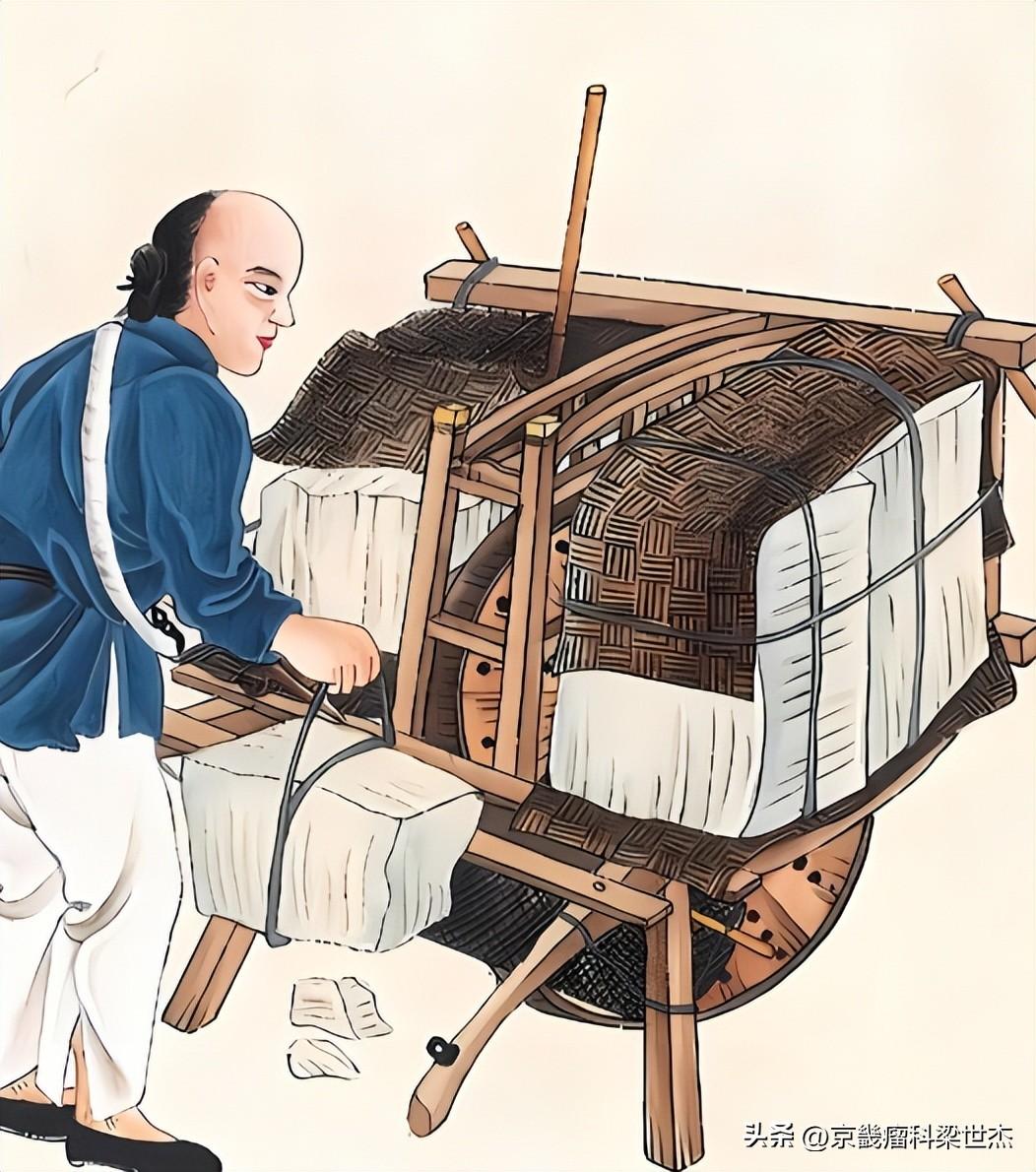
恩格斯在《勞動在從猿到人轉變過程中的作用》中擲地有聲:“勞動創造了人本身”,並明確指出“勞動是從製造工具開始的”。一部人類文明史,就是一部工具進化史;一部中醫發展史,就是一部醫者以勞動造工具、以工具護生命的實踐史。
長久以來,中醫總被誤讀爲“玄虛之術”“無器之學”。這是最大的偏見——中醫從不缺工具,缺的是讀懂這套高維工具體系的眼光。它沒有冰冷的金屬外殼,卻以望聞問切爲診斷之器,以理法方藥爲治療之具,在數千年臨牀勞動中,打磨出一套完整、嚴謹、可迭代的生命診療系統。
一、望聞問切:中醫的“無創生命探測工具箱”
《難經》有言:“望而知之謂之神,聞而知之謂之聖,問而知之謂之工,切脈而知之謂之巧。”四診並非憑空感悟,而是中醫把眼、耳、口、手升級爲專業診斷工具的智慧結晶。
望診是可視化檢測工具:觀面色、察舌象,《靈樞·五色》以五色對應五臟,看舌苔厚薄便能辨寒熱虛實,無需儀器即可“司外揣內”。
聞診是聲嗅傳感工具:聽呼吸清濁、咳聲輕重,嗅口氣、體氣與排泄物氣味,快速鎖定病位。
問診是標準化信息工具:一部“十問歌”,問寒熱、汗、便、飲食、睡眠,把零散症狀系統化,堪比古代的電子病歷採集。
切診是觸覺精準工具:指尖感知28種脈象,浮、沉、遲、數,寸關尺分候臟腑,一摸便知氣血盛衰。
說這是“玄學”?不如說這是無輻射、零耗材、全場景適配的便攜式生命檢測儀,是億萬次臨牀勞動沉澱出的肌肉記憶與數據直覺。
二、理法方藥:中醫的“系統診療工程鏈”
如果說望聞問切是“偵察兵”,理法方藥就是作戰指揮部與後勤部隊,四者環環相扣,構成中醫的核心工具閉環。
理是底層邏輯工具:以陰陽五行、氣血津液爲綱,解釋人體失衡的本質;
法是治療策略工具:汗、吐、下、和、溫、清、補、消,八法隨證而用,對症定策;
方是組方工程工具:君臣佐使、配伍禁忌,如排兵佈陣,追求協同增效;
藥是物質原料工具:四氣五味、升降浮沉,天然取材,精準適配。
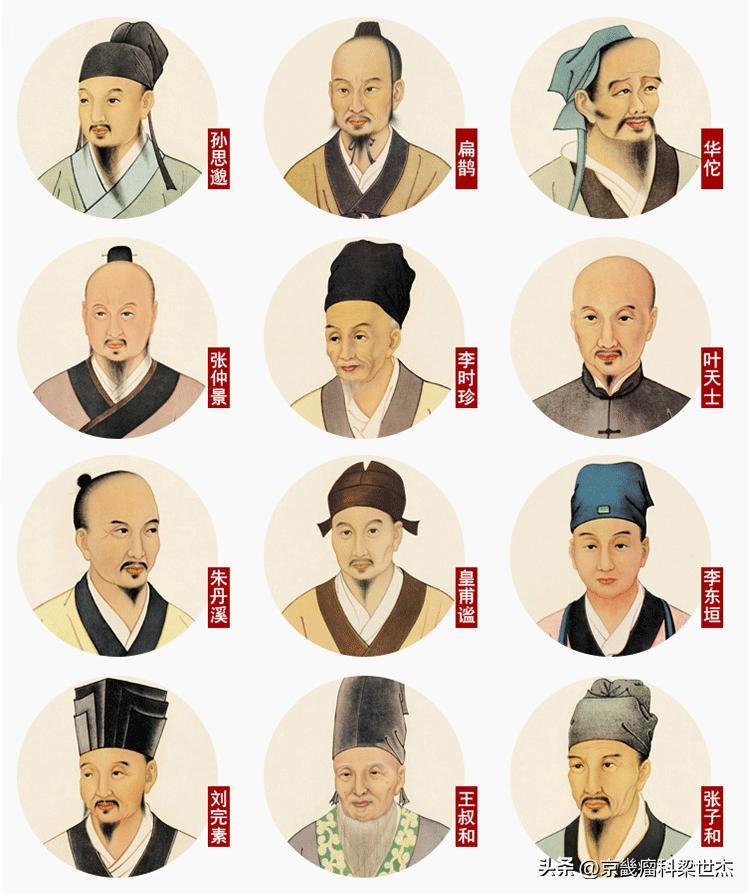
有數據爲證:現存中醫古籍超2800種,載方9萬餘首,載藥近9000味。這不是數字堆砌,是歷代醫者用千萬次試錯、總結、迭代,留下的人類最大傳統醫學數據庫。從張仲景《傷寒雜病論》的113方垂範萬世,到後世化裁無窮,中醫始終在勞動中優化工具,在實踐中升級體系。
三、勞動鑄醫魂:工具的盡頭是仁心
恩格斯說:“手不僅是勞動的器官,它還是勞動的產物。”中醫的工具,從來不是孤立的器物,而是醫者身心與良知的延伸。
嘗百草是勞動,辨藥性是勞動,望色切脈是勞動,遣方用藥是勞動。中醫沒有天降神術,只有一代代醫者在“治病救人”的樸素勞動中,把經驗變成方法,把方法變成理論,把理論變成可傳承、可複用的工具。
最犀利的真相是:中醫恰恰是最講唯物、最重實踐、最依賴工具的醫學。它不故弄玄虛,不依賴神話,只遵循“觀察—總結—驗證—迭代”的勞動規律。那些嘲諷中醫“無工具”的人,不過是把“工具”窄化爲鋼鐵器械,卻無視思想工具、方法工具、體系工具,纔是文明更高階的創造。
結語
勞動創造了人,勞動也創造了中醫;工具塑造了術,工具更承載了仁心。
望聞問切是眼目,理法方藥是手足,千年勞動是根基。中醫從不是懸浮的玄學,而是紮根大地、源於勞動、以器載道的生命科學。它用最樸素的勞動邏輯,走出了最東方的醫學道路,這便是中醫穿越千年、生生不息的底層密碼。
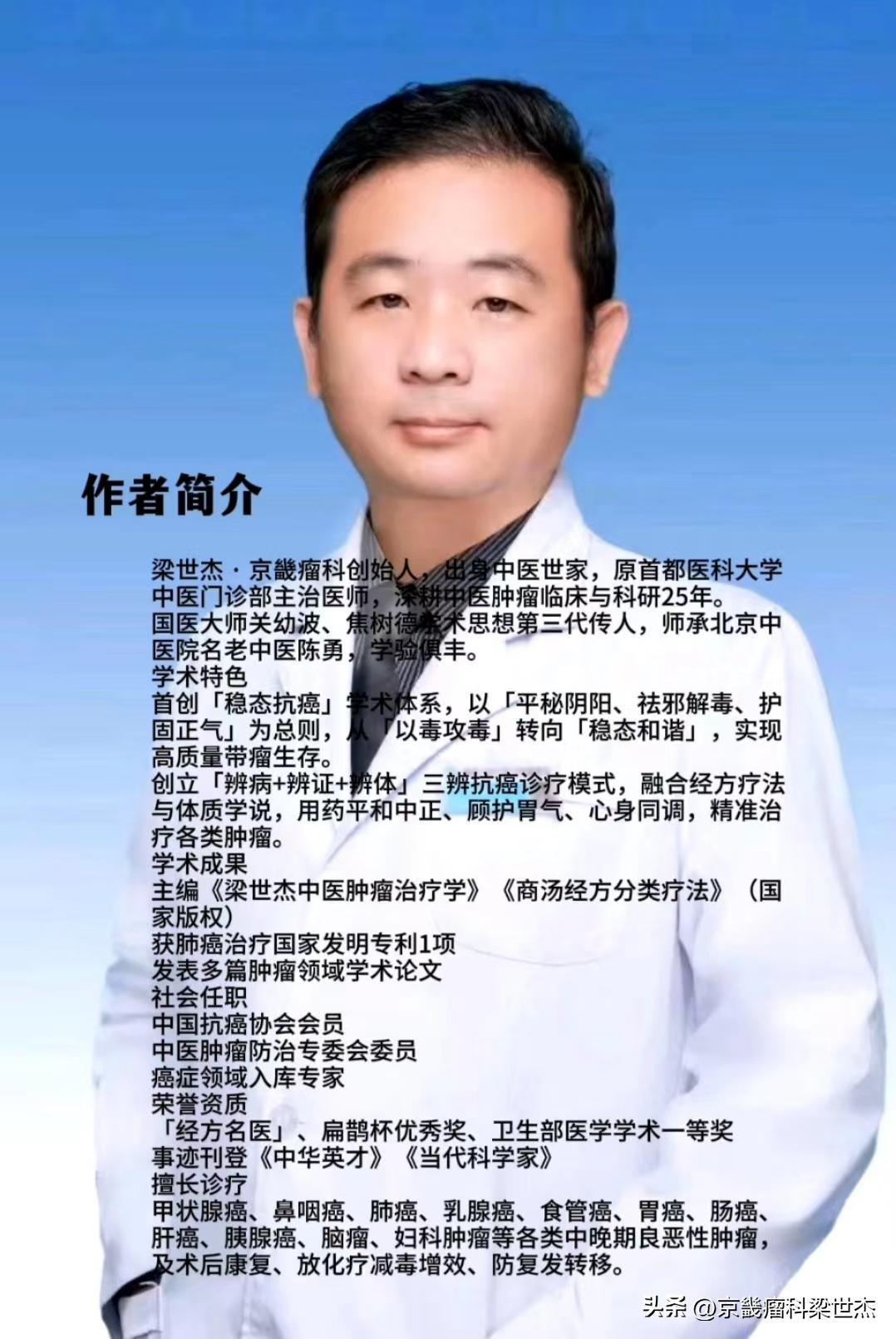
作者簡介:梁世傑,京畿瘤科創始人,出身中醫世家,原首都醫科大學中醫門診部主治醫師,畢業於河北醫科大學,深耕中醫腫瘤臨牀與科研25年。爲國醫大師、肝病泰斗關幼波,風溼病泰斗焦樹德學術思想第三代傳人,師承首都醫科大學附屬北京中醫院肝病科知名老中醫陳勇,侍診研習多年,盡得真傳,學驗俱豐。
一、學術思想與診療特色
作爲中醫腫瘤領域體系化創新學者,首創“穩態抗癌”核心學術體系,提出從“以毒攻毒”向“穩態和諧”範式轉型,以“平祕陰陽、祛邪解毒、護固正氣”爲治療總則,立足《黃帝內經》“正氣存內”理念,明確腫瘤爲全身失衡的局部顯現,通過調理臟腑氣血、改善“癌狀態”體質、切斷腫瘤微環境,實現高質量帶瘤生存,爲中晚期腫瘤治療確立“以人爲本、生命優先”的價值導向。
臨牀構建“辨病+辨證+辨體”三辨精準診療模式,融合抗癌專病專方與“商湯經方分類療法”、關幼波十綱辨證與焦樹德學術思想,創新“易學中醫辯證哲學思維模式”及象數五行體質應用;用藥恪守平和中正、攻補兼施、顧護胃氣原則,堅持全週期協同治療、心身同調,實現個體化、低損傷、長獲益的腫瘤診療目標。
二、學術與科研成果
主編專著:《梁世傑中醫腫瘤治療學》《商湯經方分類療法》,均獲國家版權登記;
發明專利:“三花五子六白散”治療肺癌國家發明專利1項;
學術論文:發表《古方青龍丸治療中晚期肺癌20例》等多篇腫瘤領域高價值學術論文。
三、學術任職
中國抗癌協會會員
衛生部中國醫促會中醫腫瘤防治專委會委員
中國藥文化研究會中醫藥慢病防治分會首批癌症領域入庫專家
四、榮譽與影響力
先後榮獲第八屆醫聖仲景南陽論壇“經方名醫”、首屆京津冀“扁鵲杯”燕趙醫學徵文優秀獎、衛生部全國醫學學術一等獎。學術事蹟榮登《中華英才》《當代科學家》等權威期刊,是國內中醫腫瘤領域理論體系完整、學術特色鮮明、臨牀療效確切的實力派專家。
五、擅長診療範圍
甲狀腺癌、鼻咽癌、肺癌、肺結節、乳腺癌、食管癌、胃癌、萎縮性胃炎、腸化生、腸癌、肝癌、胰腺癌、腎癌、膀胱癌、前列腺癌、淋巴瘤、腦瘤、宮頸癌、卵巢癌等各類中晚期良惡性腫瘤,及術後康復、放化療減毒增效、防復發轉移等疑難病症。
Using instruments to teach, using labor to practice medicine - The essential nature of reading traditional Chinese medicine from Engels'' arguments
Engels argues in "The Role of Labor in the Transition from Apes to Man" that "labor created man himself," and makes clear that "labor begins with the creation of tools." A history of human civilization is a history of instrumental evolution. A history of the development of traditional Chinese medicine is a history of the practice of the practitioner to make tools with labor and to protect life with tools.
For a long time, traditional Chinese medicine has always been misinterpreted as "the hidden art" and "the art of no-means." This is the biggest bias - Traditional Chinese Medicine is never short of tools, what is short is the eye to understand this high-dimensional tool system. It does not have a cold metal enclosure, but it uses sight and eye as diagnostic tools and prescription drugs as treatment tools, and in thousands of years of clinical labor, it has developed a complete, rigorous, and iterable system of life diagnosis and treatment.
I. Observations and questions: Traditional Chinese Medicine''s "toolbox for noninvasive life detection"
The Book of Revelation says, "When you look at it, you know it as God; when you hear it, you understand it as holy; when they ask, you know what they are to do; whenever they cut their veins, you know how skilled they are." Four diagnosis is not an illusion, but the wisdom crystallized by traditional Chinese medicine to upgrade the eyes, ears, mouth and hands to professional diagnostic tools.
Visiting is a visual testing tool: look at the color of the face and examine the appearance of the tongue. The Spirit of Five Colors corresponds to the five organs with five colors, and looking at the thick and thin of the tongues can distinguish between cold, hot, and solid. It does not require an instrument to "read the inside" of the body.
Breathing is a sound and smell sensing tool: listen to the sound of clear breathing and coughing, sniff the odor of breath, body odor and excrement, and quickly identify the location.
The medical consultation is a standardized information tool: a "ten-question song" that asks questions about heat, cold, sweat, stools, diet, and sleep, systematizing sporadic symptoms, comparable to the ancient electronic medical record collection.
Tracing is an accurate tool of touch: the fingertip senses 28 types of pulse, floating, sinking, late, and counting, counting the meridians by an inch, and knowing the strength and weakness of the blood at the touch.
Call this "Zenology"? Rather, it is a radiation-free, zero-use, portable life detector that is the muscle memory and data intuition precipitated by hundreds of millions of clinical labor.
II. Traditional Chinese medicine: the "systematic healing engineering chain" of traditional Chinese medicine
If witness and questionnaires are "scouts," prescription medicine is the operational command and logistical forces, which are interlocking, constituting the core tools of traditional Chinese medicine.
Reason is the underlying logical tool: using the five branches of yin and yang, aspiration, blood, and fluid, to explain the nature of the human body''s imbalance.
The method is a therapeutic strategy tool: sweat, swallow, lower, and warm, clear, supplement and eliminate. The eight methods are used with the evidence to formulate a treatment plan.
The formula is a combination engineering tool: vassals are appointed to missions, contraband is taboo, such as platooning, and the pursuit of synergy;
Medicine is a material raw material tool: four atmospheres and five tastes, rising and falling, naturally sourced, and precisely adapted.
There are data to prove that there are more than 2,800 kinds of ancient Chinese medicine books in existence, containing more than 90,000 prescriptions and nearly 9,000 flavors of medicine. This is not a stack of numbers, but the largest database of traditional medicine left by generations of doctors with thousands of trial and error, summary and iterations. From Zhang Zhongjing''s 113-fifth theory of typhoid to the endless canonization of successive generations, traditional Chinese medicine has always optimized tools in labor and upgraded systems in practice.
III. Work makes the soul of medicine: the end of the tool is compassion
Engels said, "The hand is not only an organ of labor, it is a product of labor." The tools of traditional Chinese medicine are never an isolated device, but an extension of the mind, body and conscience of the practitioner.
It is labor to taste a hundred herbal plants, it is labor to discern the medicinal properties, it is labour to look at the pulse and cut the pulse, and it is labours to send a prescription for medicine. There are no divine miracles in traditional Chinese medicine, only generations of healers have turned experience into methods, methods into theory, and theory into tools that can be passed on and reused.
The most stark truth is that traditional Chinese medicine is precisely the medicine that is most materialistic, most practiced, and most dependent on tools. It does not invent myths, does not rely on myths and follows only the laws of labor called "observation-summary-verification-iteration." Those who ridiculed the "toolless" nature of Chinese medicine simply narrowed the "tools" to steel devices, but ignored the thought tools, method tools, and system tools. This is the higher-order creation of civilization.
epilogue
Labor created man, labor also created Chinese medicine. Tools shape healing, tools carry compassion.
Observing and asking questions is the eye, healing a prescription is the hand, and thousands of years of labor is the foundation. Traditional Chinese medicine is never a suspended metaphysics, but a life science rooted in the earth, derived from labor, and based on instruments. It used the simplest logic of labor to walk out of the most eastern medical path, which is the underlying code of traditional Chinese medicine that has lived and continued for thousands of years.
Author profile: Liang Shi-jie, the founder of the Jingyi Tumor Clinic, hails from a family of traditional Chinese medicine practitioners. He was a chief physician at the Traditional Chinese Medicine Outpatient Clinic of the former Capital Medical University. He graduated from Hebei Medical University and has devoted 25 years to clinical practice and research in traditional Chinese medicine oncology. He is the third generation of the academic lineage of Guan You-bo, a master of traditional Chinese medicine and a renowned expert in liver diseases, and Jia Shu-de, a master of rheumatology. He studied under Chen Yong, a well-known elderly traditional Chinese medicine practitioner in the liver disease department of Beijing Traditional Chinese Medicine Hospital affiliated to the Capital Medical University. He has gained extensive knowledge and experience through many years of study and practice.
I. Academic Thought and Diagnostic/Therapeutic Specialties
As a scholar specializing in systematized innovation in the field of traditional Chinese medicine oncology, I pioneered the core academic system of “steady state anti-cancer.” I proposed a transition from the paradigm of “using poison to counter poison” to “steady state harmony,” with the general principles of “balancing Yin and Yang, eliminating evil and detoxifying, and protecting and reinforcing healthy qi.” Grounded in the concept of “healthy qi resides within” from the Huangdi Neijing, I clarified that tumors are localized manifestations of overall imbalance. By regulating the qi and blood of internal organs, improving the “cancer state” constitution, and disrupting the microenvironment of tumors, we can achieve high-quality survival with a tumor present, thereby establishing a value orientation of “people-centeredness and prioritizing life” for the treatment of advanced and late-stage tumors.
Clinical construction of the “diagnosis + syndrome differentiation + constitution identification” three-step precise diagnosis and treatment model, integration of cancer-specific treatments and “Shang Tang classic prescription classification therapy,” Guan Youbo’s ten-category syndrome differentiation method, and Jiao Shude’s academic thoughts, innovation of the “easy-to-learn traditional Chinese medicine dialectical philosophical thinking mode” and the application of symbolic number and five-element constitution; adhering to the principles of moderation and balance, combining attack and supplementation, and protecting the stomach qi, maintaining comprehensive and coordinated treatment throughout the entire cycle, balancing mind and body, and achieving personalized, low-injury, and long-term benefits in cancer diagnosis and treatment.
II. Scholarly and Research Achievements
Co-authored monographs: “Liang Shi-jie’s Traditional Chinese Medicine for Cancer Treatment” and “Shang Tang’s Classification Therapy Based on Classical Prescriptions”; both have been registered for national copyright protection.
Patent for invention: One national patent for the invention of “Sanhua Wu Zi Li Bai San” for the treatment of lung cancer.
Academic Papers: Published numerous high-value academic papers in the field of oncology, including “The Treatment of 20 Cases of Advanced-Stage Lung Cancer with Ancient Formula Qinglong Pill.”
III. Academic Positions
Member of the Chinese Cancer Association.
Member, Expert Committee on Traditional Chinese Medicine Cancer Prevention and Treatment, China Medical Promotion Association, Ministry of Health.
First-batch cancer-related experts inducted into the Chinese Traditional Medicine Prevention and Treatment of Chronic Diseases Branch of the Chinese Pharmaceutical Culture Research Association.
IV. Recognition and Influence
He has been awarded the title of “Expert in Traditional Medicine” at the Eighth Symposium of the Medicine Saint Zhongniang of Nanyang, the Outstanding Award for Medical Writing at the First Beijing-Tianjin-Hebei “Bian Que Cup” Symposium on Yan-Zhao Medicine, and the First Prize for Medical Scholarship by the Ministry of Health. His academic achievements have been featured in prestigious journals such as “China’s Elite” and “Contemporary Scientists.” He is a highly respected expert in the field of traditional Chinese medicine oncology, known for his comprehensive theoretical framework, distinctive academic characteristics, and proven clinical efficacy.
V. Areas of Expertise
Thyroid cancer, nasopharyngeal cancer, lung cancer, pulmonary nodules, breast cancer, esophageal cancer, gastric cancer, atrophic gastritis, intestinal metaplasia, intestinal cancer, liver cancer, pancreatic cancer, kidney cancer, bladder cancer, prostate cancer, lymphoma, brain tumors, cervical cancer, ovarian cancer, and other various advanced and late-stage benign and malignant tumors, as well as post-operative rehabilitation, radiation and chemotherapy to reduce toxicity and enhance efficacy, and prevention of recurrence and metastasis, among other complex conditions.