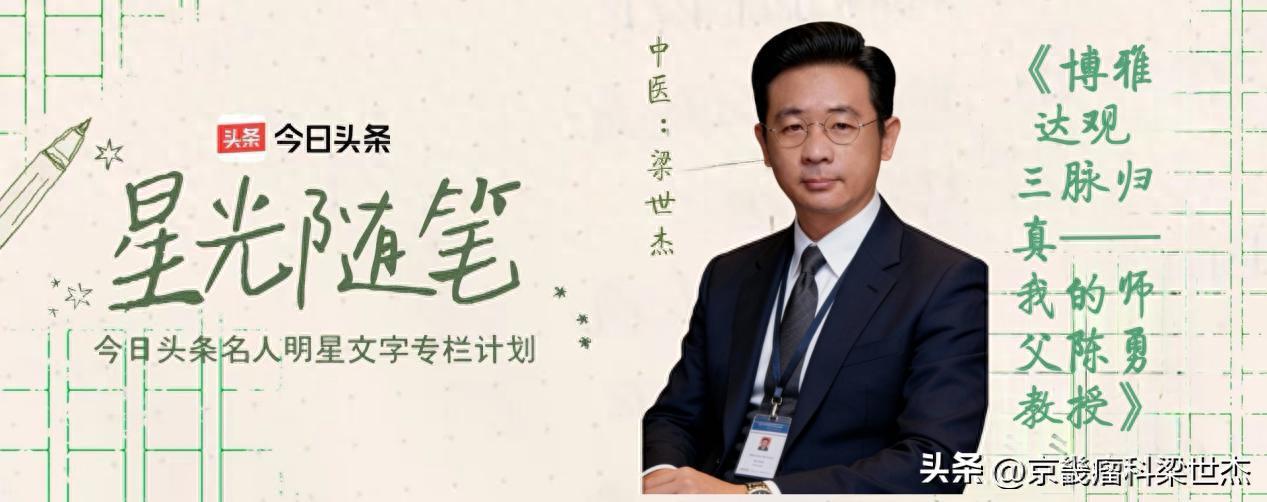
博雅達觀 三脈歸真——我的師父陳勇教授
《後漢書·杜林傳》謂“博雅多通”,《尚書·召誥》言“達觀周察”,合而謂之博雅達觀:學識淵深、品行端方,胸襟曠朗、見理通透。此境非尋常人可至,而我的師父,首都醫科大學附屬北京中醫醫院主任醫師、北京中醫藥薪火傳承“新3+3工程”焦樹德門人陳勇教授,以六十餘載岐黃踐履,醫承三脈、藝匯三宗,將“博雅”鑄爲醫術根基,將“達觀”化入行醫本心,堪稱當代中醫界“博雅達觀”之典範。
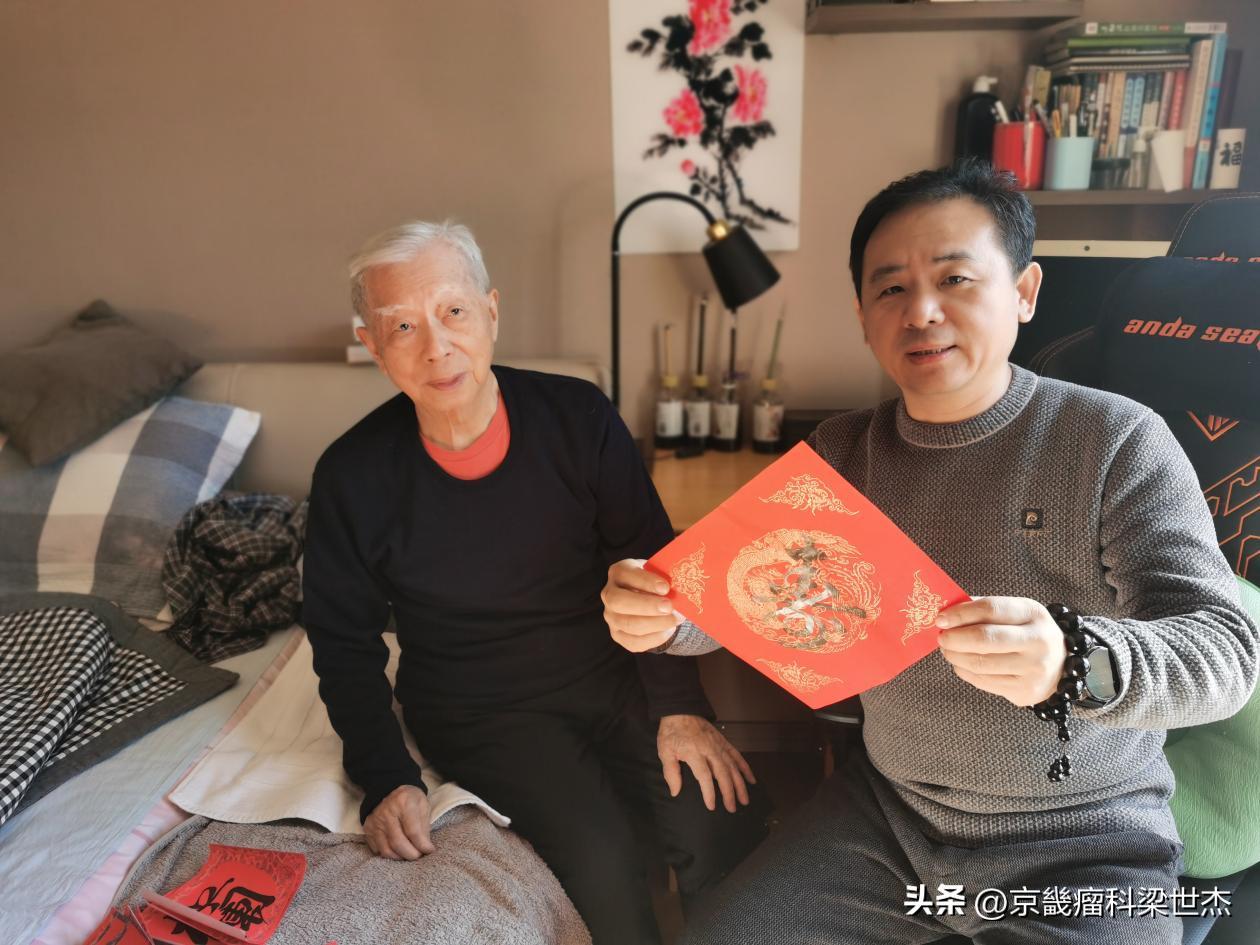
師父陳勇教授生於中醫世家,幼承庭訓,父陳寶仁(陳東阜)爲杏林宿耆,家學啓蒙即根植《內經》《傷寒》,奠定“博”之基底。及長,師從二位中醫泰斗,熔鑄三脈真傳:一承肝病聖手關幼波,侍診31載,盡得“十綱辨證”心法,爲關氏開山嫡傳;二承風溼泰斗焦樹德,執半子之禮深研痹症與疑難雜病,承續焦氏辨證精髓;結合家傳,三脈匯流、三宗兼收,非“博雅”不足以兼蓄,非“篤行”不足以貫通,此爲其醫術之“根”。
從業六十餘載,師父陳勇教授以臨牀爲尺、以療效爲秤,不尚虛言、唯重實效。其主攻肝膽病與內科疑難,經手病案以十萬計,參與國家“七五”科技攻關課題“關幼波電腦診治胃脘痛專家系統”,斬獲北京市科技進步二等獎,將中醫經驗轉化爲可傳承、可推廣的診療體系,打破“經驗難複製”的行業壁壘。在慢性肝病診療中,他以關氏疏肝利膽、健脾扶正之法,配合焦氏通絡化瘀思路,對急慢性肝炎、早期肝硬化、肝腹水等病症,在緩解脘腹脹滿、消退黃疸、改善肝功能、縮小肝脾腫大等方面,臨牀有效率穩居行業前列;更指導多中心肝病臨牀研究,以現代循證數據印證中醫辨證價值,讓“治肝”經驗既守古法、又合今規。
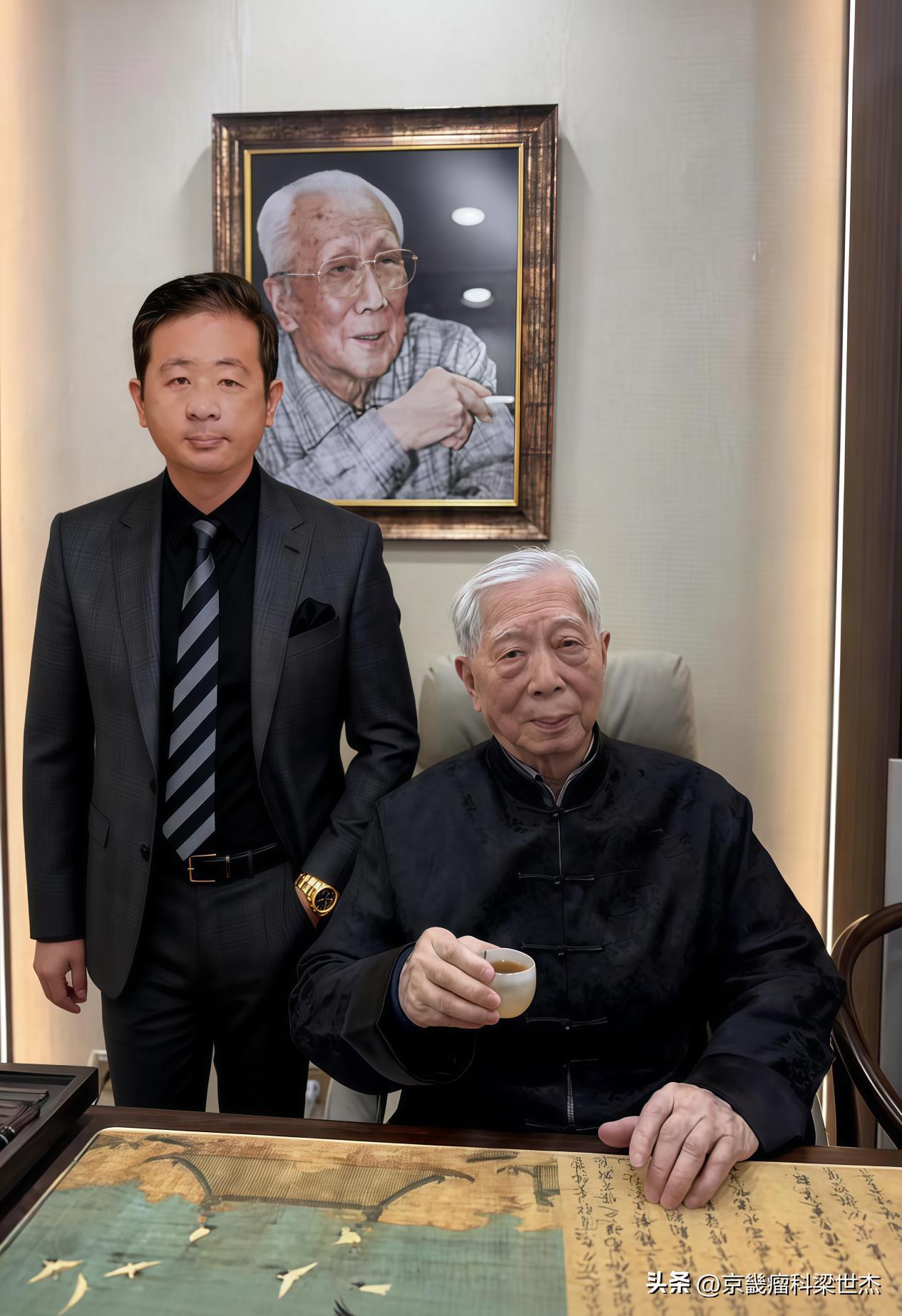
其行醫之“達觀”,不在避世超脫,而在醫心通透、仁懷寬廣。關幼波先生教誨“儒乃達儒,醫是明醫”,陳勇終身奉之爲圭臬:不逐“名醫”浮名,只求“明醫”實學,對患者不分貧富貴賤,一視同仁;對後學傾囊相授,主持焦樹德學術傳承工作站,讓三脈薪火遍傳基層;年逾八旬仍登央視《健康之路》、北京衛視《養生堂》,以通俗語言拆解中醫智慧,讓“治未病”理念走入尋常百姓家。曾有肝硬化腹水患者輾轉多地未果,求診於他,他以“疏肝+扶正+利水”三方調和,不攻伐、不峻補,兼顧病體虛實,終令患者腹水漸消、肝功復常,此類案例,載於《陳勇臨證隨筆錄——漫步杏林六十載》,字字皆爲臨牀真章,無半分虛飾。

觀其治學,博而不雜、通而不浮:家學打底,泰斗引路,經典爲骨,臨牀爲肉,既守中醫“辨證論治”之本,又納現代科研之法,不泥古、不媚新,此爲“博雅”之境;觀其行醫,仁而不懦、嚴而不苛:視病患如至親,以平和之心解沉痾,以通達之智破疑難,不計名利、唯念蒼生,此爲“達觀”之境。三脈傳承,承的是醫術之精;三宗匯通,通的是醫道之魂;六十餘載堅守,守的是“大醫精誠”之初心。
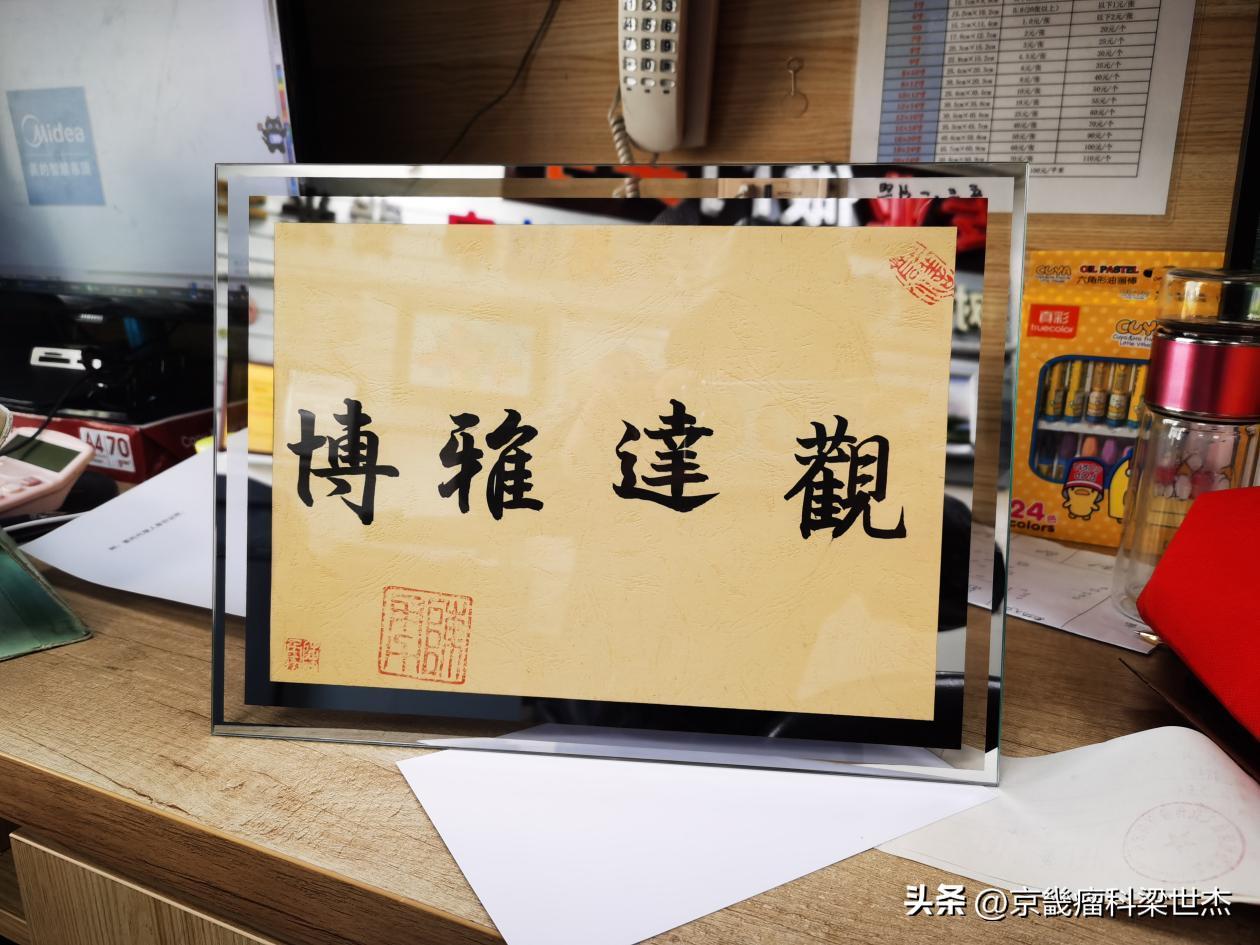
古人云“醫者,仁術也,達道也”。師父陳勇教授以博雅之才匯三宗醫術,以達觀之心行濟世仁術,無譁衆取寵之態,無沽名釣譽之行,於方寸診臺之間,守中醫正道,傳岐黃薪火,救黎民疾苦。其行可範,其德可師,其學可傳,恰合“博雅達觀”之真諦——學識足以濟衆,品行足以立世,胸襟足以容物,智慧足以解惑。此非唯醫者之楷模,亦爲世人修身立業之鏡鑑。
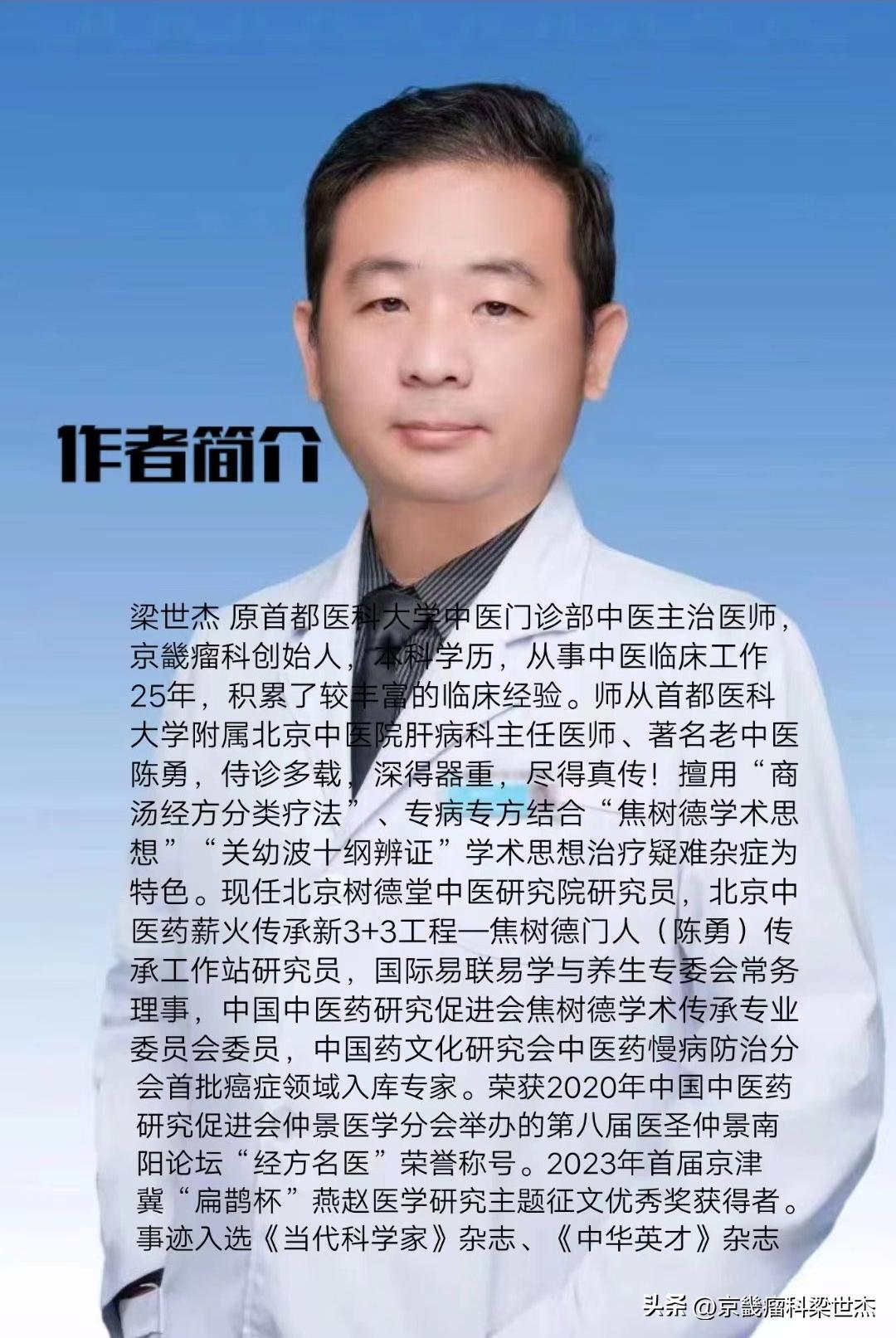
作者簡介:梁世傑 原首都醫科大學中醫門診部中醫主治醫師,京畿瘤科創始人,本科學歷,從事中醫臨牀工作25年,積累了較豐富的臨牀經驗。師從首都醫科大學附屬北京中醫院肝病科主任醫師、著名老中醫陳勇,侍診多載,深得器重,盡得真傳!擅用“商湯經方分類療法”、專病專方結合“焦樹德學術思想”“關幼波十綱辨證”學術思想治療疑難雜症爲特色。現任北京樹德堂中醫研究院研究員,北京中醫藥薪火傳承新3+3工程—焦樹德門人(陳勇)傳承工作站研究員,國際易聯易學與養生專委會常務理事,中國中醫藥研究促進會焦樹德學術傳承專業委員會委員,中國藥文化研究會中醫藥慢病防治分會首批癌症領域入庫專家。榮獲2020年中國中醫藥研究促進會仲景醫學分會舉辦的第八屆醫聖仲景南陽論壇“經方名醫”榮譽稱號。2023年首屆京津冀“扁鵲杯”燕趙醫學研究主題徵文優秀獎獲得者。事蹟入選《當代科學家》雜誌、《中華英才》雜誌。
Wisdom and Detachment: The Three Meridians Return to Reality – My Master, Professor Chen Yong.
According to “The History of the Later Han Dynasty: The Biography of Du Lin,” it is described as “well-versed and cultured.” In “The Book of Documents: The Call to Assembly,” it is stated that one should be “broad-minded and observant.” Together, these qualities are referred to as “cultured and broad-minded”: possessing profound knowledge and upright character, with an open-minded and clear-sighted outlook. This state is not accessible to ordinary individuals. My mentor, Professor Chen Yong, a chief physician at Beijing Hospital of Traditional Chinese Medicine affiliated with Capital Medical University and a student of Jiao Shude, the founder of the “New 3+3 Project” for the transmission of traditional Chinese medicine, has practiced medicine for over sixty years, inheriting three branches of medical tradition and three schools of art. He has shaped “culturedness” into the foundation of his medical practice and infused “broad-mindedness” into his approach to medicine, making him a paragon of “cultured and broad-mindedness” in contemporary traditional Chinese medicine.
Master Chen Yong was born into a family of traditional Chinese medicine practitioners. From a young age, he received training from his family. His father, Chen Bao-ren (Chen Dong-fu), was a renowned elder in the medical community. The family’s teachings instilled in him the fundamentals of the “Inner Canon” and “Treatise on Febrile and Miscellaneous Diseases,” laying the foundation for his “broad” knowledge. As he grew older, he studied under two eminent masters of traditional Chinese medicine, integrating the true teachings of the three schools: one was Guan You-bo, a master of liver diseases, with whom he served for 31 years, mastering the “Ten Principles of Diagnosis” method and becoming the direct heir of the Guan lineage; the other was Jia Shu-de, a master of rheumatism, with whom he studied the intricacies of arthritis and other complex diseases, inheriting the essence of Jia’s diagnostic techniques. Combining his family’s teachings, he integrated the teachings of the three schools, embodying the qualities of “scholarship” and “diligence.” These qualities are essential for mastering his craft, which is rooted in these principles.
With over sixty years of experience, Master Chen Yong, the teacher, uses clinical practice as the yardstick and efficacy as the weighing scale. He eschews empty rhetoric and values practical results above all else. His main areas of expertise include liver and gallbladder diseases, as well as internal medicine challenges. He has handled tens of thousands of patient cases and participated in the national “Seven Five” scientific and technological innovation project, “Guan Youbo’s Expert System for Computer Diagnosis and Treatment of Abdominal Pain.” He won the Second Prize for Scientific and Technological Achievements in Beijing and transformed traditional Chinese medicine experiences into a transferable and disseminateable diagnostic and treatment system, thus breaking through the industry barrier of “experience being difficult to replicate.” In the treatment of chronic liver diseases, he employs the Guan family’s method of soothing the liver and promoting bile flow, combined with the Jia family’s approach of unblocking meridians and resolving blood stasis. This approach has been clinically effective in alleviating abdominal fullness, reducing jaundice, improving liver function, and shrinking liver and spleen enlargement. He has also guided multicenter clinical studies on liver diseases, using modern evidence-based data to validate the value of traditional Chinese medicine diagnosis, ensuring that “treating the liver” practices adhere to both ancient principles and modern standards.
The “philosophical outlook” in his practice of medicine lies not in avoiding the world and transcending it, but in having a clear understanding of medicine and a broad-minded approach to compassion. Mr. Guan Youbo taught, “A Confucian is truly Confucian, and a physician is truly a skilled physician.” Chen Yong adhered to this principle throughout his life: he did not seek the fleeting fame of being a “renowned physician,” but rather sought the genuine knowledge of being a “skilled physician.” He treated patients without distinction based on their social status, be it poor, rich, or noble. He generously shared his knowledge with younger practitioners, established the Jiaoshu De Academic Heritage Workstation, and ensured that the three branches of traditional Chinese medicine were disseminated widely at the grassroots level. Despite his advanced age of over eighty, he appeared on CCTV’s “Healthy Path” and Beijing TV’s “Healthy Living” programs, using simple language to elucidate the wisdom of traditional Chinese medicine and bringing the concept of “preventive treatment” into the homes of ordinary people. A patient with liver cirrhosis and ascites had sought treatment in various places without success. Chen Yong applied the principles of “relieving liver tension,” “supporting the body’s balance,” and “promoting water excretion,” avoiding aggressive treatments and drastic supplements, and addressing the patient’s condition holistically. This case is documented in “Chen Yong’s Clinical Notes: Sixty Years of Exploring the Herb Garden,” where every word is a genuine clinical insight, devoid of any embellishment.
Observing his approach to learning, it is characterized by breadth without clutter and thoroughness without superficiality: rooted in family traditions, guided by eminent figures, built on classical foundations, with clinical practice serving as the practical application. He upholds the essence of traditional Chinese medicine’s “diagnosis and treatment” while embracing modern scientific research methods. He does not cling to the past nor fawn on the new; this is the realm of “scholarship and refinement.” Observing his practice as a physician, it is marked by compassion without timidity and strictness without harshness: he views patients as close relatives, uses a calm heart to cure chronic ailments, employs insightful wisdom to resolve complex issues, disregards personal gain and fame, and solely focuses on the well-being of humanity. This represents the realm of “broadmindedness.” The three-generation transmission of medical knowledge embodies the essence of medical expertise; the convergence of three schools of thought represents the soul of medical principles; over sixty years of steadfast dedication reflect the unwavering commitment to the core principles of “great physician dedication and integrity.”
As the ancients once said, “A physician is a practitioner of benevolence and a master of the Dao.” Master Chen Yong, with his profound knowledge and versatile skills, combines three distinct medical traditions. With a heart of benevolence and a spirit of philanthropy, he practices medicine without seeking to impress or gain fame. On the modest examination table, he upholds the principles of traditional Chinese medicine, transmits the torch of healing, and alleviates the suffering of the common people. His actions serve as a model, his virtues as an exemplar, and his learning as a legacy, perfectly embodying the essence of “scholarship, benevolence, and philosophical insight” – knowledge sufficient to benefit others, integrity sufficient to establish oneself in the world, broad-mindedness sufficient to embrace diverse perspectives, and wisdom sufficient to resolve doubts. This is not merely a model for physicians but also a mirror reflecting how one should cultivate oneself and achieve success in life.
Author profile: Liang Shi-jie was a chief physician of traditional Chinese medicine at the Traditional Chinese Medicine Outpatient Clinic of Capital Medical University. He was the founder of Jingyi Tumor Clinic. He holds a bachelor’s degree and has been engaged in clinical work in traditional Chinese medicine for 25 years, accumulating extensive clinical experience. He studied under Chen Yong, a renowned senior traditional Chinese medicine practitioner at the Hepatology Department of Beijing Traditional Chinese Medicine Hospital affiliated to Capital Medical University. Over the years, he gained great respect and acquired genuine expertise. He specializes in using the “Shang Tang Classic Classification Therapy” and combining specific treatments for specific diseases with the “Jiao Shu-de Academic Thought” and the “Guan You-bo Ten-Principle Diagnosis” approach to treat complex medical conditions. He is currently a researcher at the Beijing Shu-de-Tang Traditional Chinese Medicine Research Institute and a researcher at the Beijing New 3+3 Project for the Inheritance of Traditional Chinese Medicine – Jiao Shu-de’s Disciples (Chen Yong) Heritage Workstation. He is a Standing director of the International Yi-lian Yi-xue and Health Preservation Committee and a member of the Committee for the Inheritance of Jiao Shu-de’s Academic Thought of the China Research Promotion Association for Traditional Chinese Medicine. He is also a member of the inaugural Cancer Expert Pool of the China Cultural Research Association for Traditional Chinese Medicine’s Prevention of Chronic Diseases. He was awarded the title of “Expert in Classic Prescriptions” at the Eighth Nanyang Forum of the Zhang Zhongjing Medical Division of the China Research Promotion Association in 2020. In 2023, he won the Excellence Award in the First Beijing-Tianjin-Hebei “Bian Que Cup” Yan-Zhao Medical Research Theme Essay Competition. His achievements have been featured in the magazines “Contemporary Scientists” and “China’s Elite”.