梁世傑:別讓“一劑知二劑愈”,砸了中醫的千年招牌
“病來如山倒,病去如抽絲”,《紅樓夢》中這句俗語道盡疾病規律:發病如崩山般迅猛,康復卻如抽繭絲般綿長。中醫本就秉持“慢工出細活”的智慧,望聞問切細細體察,藥效循序漸進積累,這與當代人“快診快愈、藥到病除”的急切心態,本就存在天然的節奏差。可偏偏有極個別醫者,無視病情差異、不分年齡體質,大肆標榜“一劑知,二劑愈”纔是合格中醫,這種極端造神之舉,不是弘揚中醫,而是自毀長城,讓本就步履維艱的中醫發展,更添重重阻礙。
中醫從不是“慢郎中”,卻也絕不是“萬能速效神藥”。《傷寒論》早有明訓:“若病重者,一日一夜服,周時觀之,服一劑盡,病證猶在者,更作服;若汗不出,乃服至二、三劑”,即便急症,也需觀證調整,絕非死守“兩劑必愈”。臨牀數據早已印證:外感高熱、急性腹痛等輕淺急症,對症經方確實能半小時到兩小時見效,實現“覆杯而愈”;但脾胃虛弱需21天修復,肝血再生要72天,腎元調養至少100天,亞健康調理需1-3個月,慢性病調理更是要3-6個月才能穩固療效。某三甲中醫醫院監測顯示,連續服用補益類中藥超90天的患者,43%會出現腹脹、食慾減退等“虛不受補”反應,這恰恰說明,身體的修復有其固有節律,強行追求速效,只會適得其反。
當代人習慣了抗生素的迅捷、西藥的立竿見影,便對中醫的“慢”失去耐心,這是時代心態的浮躁,卻不該成爲中醫“追風速效”的理由。中醫的核心智慧,從來是“急則治其標,緩則治其本”:急症如獵鷹捕狼,一擊致命穩病情;慢病如蠶食桑葉,層層剝繭除病根。仝小林院士曾直言:“慢病猶冰凍三尺,非一日之寒,治宜緩圖,寧期三月好,不求一日速”。那些十年積累的肝鬱、痰溼、瘀堵,豈是一兩劑藥就能根除?就像多年堆積的污垢,無法用一次沖刷徹底洗淨,中醫的調理,是扶正祛邪、修復臟腑,是喚醒身體自身的自愈力,這份“慢”,是沉穩的修復,不是低效的拖延。
更可怕的是,“一劑知二劑愈”的極端標榜,本質是中醫的“造神運動”,而歷史早已證明,造神從來都是行業的災難。近年來,“神醫宇宙”亂象頻出:有人虛構“祖傳祕方”,宣稱“一方治百病”;有人無資質行醫,靠誇大療效騙取錢財;更有甚者,讓患者停用正規藥物,迷信所謂“速效神方”,最終延誤病情、危及健康。這些亂象的根源,正是“速效至上”的畸形認知——當中醫被貼上“必須速效”的標籤,正規醫者堅守辨證論治、循序漸進,反而被質疑“醫術不行”;投機者靠誇大宣傳收割流量,劣幣驅逐良幣,讓大衆對中醫的信任不斷透支。
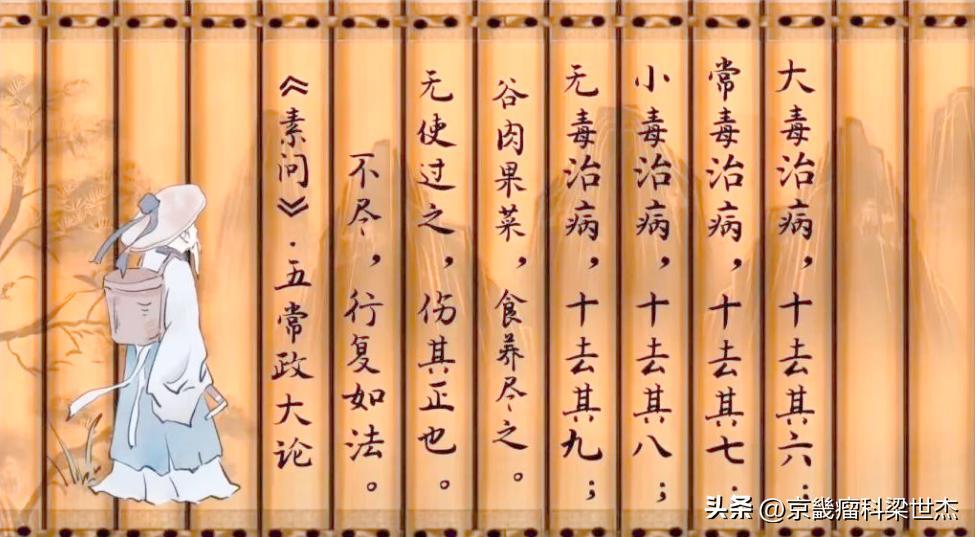
國家中醫藥管理局2023年監測數據顯示,全國三級公立中醫醫院門診患者滿意度達93.60分,住院患者滿意度94.68分,這份認可,來自規範診療、辨證施治的正規中醫,而非吹噓速效的“僞神醫”。中醫的底氣,從來不是“包治百病、即刻痊癒”,而是千年傳承的整體觀、辨證論治的精準度,是“三分治七分養”的康復智慧,是《素問》“大毒治病,十去其六;無毒治病,十去其九”的留餘之道。真正的良醫,從不承諾“一劑必愈”,而是會告知患者病情規律、治療節奏,與患者並肩對抗疾病;真正的中醫,從不迎合浮躁的速效心態,而是堅守醫道,慢中求穩、穩中求效。
我們不否定中醫的速效奇蹟,卻堅決反對“唯速效論”的極端標榜。中醫的發展,需要的是腳踏實地的傳承創新,是嚴謹規範的臨牀診療,是客觀理性的科普傳播,而不是譁衆取寵的造神、不切實際的吹噓。“一劑知二劑愈”可以是急症對症後的驚喜,卻絕不能成爲衡量中醫的唯一標準,更不能成爲砸毀中醫招牌的利器。
願醫者守初心,不逐速效虛名;願患者多耐心,懂康復之規律。別讓浮躁的速效心態,辜負了中醫千年的智慧;別讓極端的造神之舉,寒了中醫人的心。中醫的未來,從不在“神化”的泡沫裏,而在辨證論治的嚴謹裏,在循序漸進的療效裏,在百姓實實在在的健康獲得感裏。
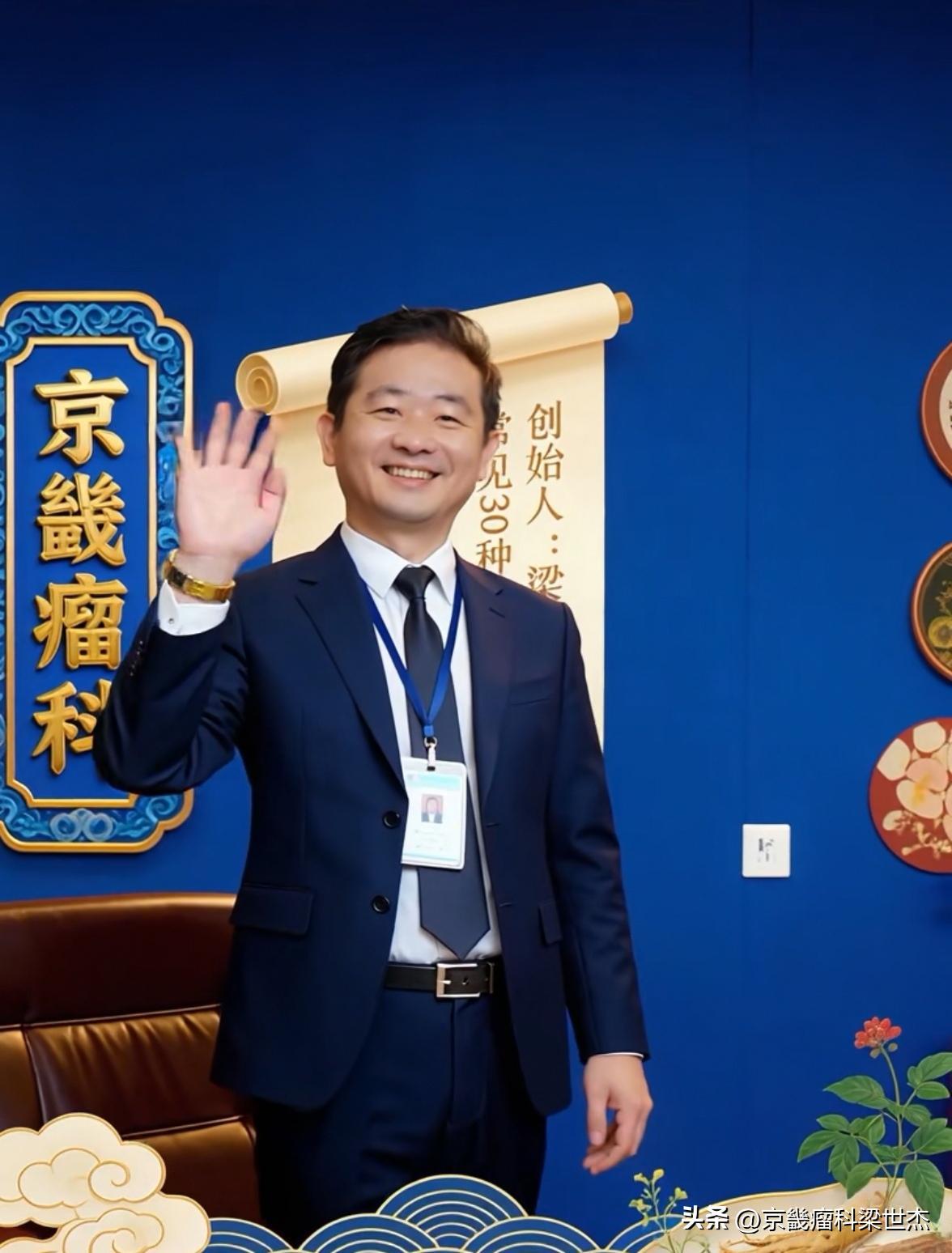
作者簡介:梁世傑 原首都醫科大學中醫門診部中醫主治醫師,京畿瘤科創始人,本科學歷,從事中醫臨牀工作25年,積累了較豐富的臨牀經驗。師從首都醫科大學附屬北京中醫院肝病科主任醫師、著名老中醫陳勇,侍診多載,深得器重,盡得真傳!擅用“商湯經方分類療法”、專病專方結合“焦樹德學術思想”“關幼波十綱辨證”學術思想治療疑難雜症爲特色。現任北京樹德堂中醫研究院研究員,北京中醫藥薪火傳承新3+3工程—焦樹德門人(陳勇)傳承工作站研究員,國際易聯易學與養生專委會常務理事,中國中醫藥研究促進會焦樹德學術傳承專業委員會委員,中國藥文化研究會中醫藥慢病防治分會首批癌症領域入庫專家。榮獲2020年中國中醫藥研究促進會仲景醫學分會舉辦的第八屆醫聖仲景南陽論壇“經方名醫”榮譽稱號。2023年首屆京津冀“扁鵲杯”燕趙醫學研究主題徵文優秀獎獲得者。事蹟入選《當代科學家》雜誌、《中華英才》雜誌。
Liang Shi-jie: Do not allow the phrase “one dose knows, two doses cure” to tarnish the millennia-old reputation of traditional Chinese medicine.
“Illness comes like a landslide, and recovery is as slow as unwinding silk.” This proverb from “Dream of the Red Chamber” captures the essence of the patterns of disease: illness strikes with the ferocity of a collapsing mountain, while recovery is as gradual as unwinding silk. Traditional Chinese medicine inherently adheres to the wisdom of “slow work yielding fine results.” It requires careful observation through observation, hearing, questioning, and palpation, with medicinal effects accumulating gradually. This approach contrasts sharply with the contemporary mindset of “quick diagnosis and quick recovery, where medicine cures the disease instantly.” There is a natural discrepancy in pace between these two approaches. However, there are still a few practitioners who disregard the differences in patient conditions and do not distinguish between age and physical characteristics, touting the idea that “one dose suffices, two doses cure” is what constitutes a competent traditional Chinese medicine practitioner. This extreme act of idolization does not promote traditional Chinese medicine; rather, it undermines it, adding further obstacles to an already challenging development path for this discipline.
Traditional Chinese medicine has never been about “slow healers,” nor has it been about “all-purpose quick-acting miracle drugs.” The “Treatise on Febrile Diseases” clearly states, “If the patient’s condition is severe, take the medicine once or twice a day for one or two days, and observe the outcome. If the symptoms persist even after taking the entire dose, continue to take the medicine. If the patient does not sweat, continue to take it for two or three doses.” Even for urgent conditions, observation and adjustment of the symptoms are necessary, rather than blindly adhering to the belief that two doses are sufficient for recovery. Clinical data has long demonstrated that for mild and superficial conditions such as high fever and acute abdominal pain, traditional formulas can indeed produce noticeable effects within half a to two hours, leading to “complete recovery with just one or two cups of medicine.” However, for conditions affecting the spleen and stomach, such as weakness, it takes 21 days for recovery; for liver blood regeneration, it takes 72 days; for kidney tonification, at least 100 days; and for addressing subclinical conditions, it may take 1 to 3 months. Surveys conducted by a tertiary-level Chinese hospital have shown that among patients who have continuously taken tonic herbs for more than 90 days, 43% experience symptoms such as abdominal distension and decreased appetite, indicating that the body’s healing process follows its own inherent rhythms. Striving for rapid results through force can lead to negative consequences.
Modern people have grown accustomed to the swift action of antibiotics and the immediate results of Western medicine, and have consequently lost patience with the “slow” approach of traditional Chinese medicine. This is a symptom of the era’s impatience, but it should not be used as a justification for the pursuit of rapid effects in traditional Chinese medicine. The core wisdom of traditional Chinese medicine has always been “treat the symptoms quickly for acute conditions, and address the root causes gradually for chronic ones”: acute conditions, like hunting for falcons and capturing wolves, require a decisive blow to stabilize the patient’s condition; chronic conditions, like the gradual consumption of mulberry leaves by silkworms, involve peeling away layers to remove the underlying causes of illness. Academician Tong Xiaolin once bluntly stated, “Chronic conditions are like layers of ice that have formed over time, not something that can be cured overnight. Treatment should be gradual, aiming for improvement over three months rather than seeking rapid results in just one day.” How can liver stagnation, phlegm accumulation, and blood stasis, which have been accumulating over ten years, be eradicated with just a few doses of medicine? Just as years of accumulated dirt cannot be completely washed away with a single scrub, the healing process in traditional Chinese medicine involves supporting the body’s natural healing abilities and repairing the organs. This “slow” approach is a methodical restoration, not a sluggish delay.
Even more frightening is the extreme glorification of “one dose cures two, two doses cure all,” which is essentially a form of traditional Chinese medicine’s “cult of the divine.” History has long shown that creating gods has always been a disaster for the industry. In recent years, there have been numerous incidents of chaos in the “Medicine God Universe”: some individuals fabricate “herbal remedies passed down through generations” and claim that “one remedy can cure a hundred ailments”; others practice medicine without proper qualifications and rely on exaggerating the efficacy of their treatments to deceive patients and earn money; even more egregious is the practice of advising patients to stop using legitimate medications and instead rely on so-called “quick-acting divine remedies,” which ultimately leads to delayed treatment and jeopardizes health. The root cause of these chaotic situations is the distorted belief in “quick results above all else” – when traditional Chinese medicine is labeled as requiring “immediate results,” legitimate practitioners who adhere to the principles of dialectical diagnosis and gradual treatment are instead questioned as being “unskilled”; opportunists exploit exaggerated marketing to harvest traffic, with bad practices driving out good ones, eroding public trust in traditional Chinese medicine.
According to the 2023 monitoring data from the State Administration of Traditional Chinese Medicine, the patient satisfaction rate for outpatient visits at tertiary-level public traditional Chinese medicine hospitals nationwide reached 93.60 points, while the patient satisfaction rate for inpatient care was 94.68 points. This recognition stems from the standardized diagnosis and treatment practices of legitimate traditional Chinese medicine practitioners, rather than from the hype surrounding quick-acting “quack doctors.” The confidence of traditional Chinese medicine has never been about “curing all ailments instantly” but rather about the holistic view and precision of diagnosis and treatment passed down through thousands of years, the wisdom of rehabilitation through “three parts treatment and seven parts nourishment,” and the principle outlined in the “Su Wen” that “when using highly toxic medicines to treat disease, remove six of ten; when using non-toxic medicines, remove nine of ten.” True practitioners of medicine never promise that a single dose will cure the ailment; instead, they inform patients about the patterns of their condition and the rhythm of treatment, working alongside them to combat the disease. True traditional Chinese medicine practitioners never cater to the fleeting desire for quick results but instead adhere to the principles of medicine, striving for stability and effectiveness through slow and steady progress.
While we do not deny the miraculous quick results of traditional Chinese medicine, we firmly oppose the extreme advocacy of the “sole emphasis on quick results” approach. The development of traditional Chinese medicine requires genuine, practical transmission and innovation, rigorous and standardized clinical treatment, and objective and rational science popularization, rather than sensationalistic creation of gods and unrealistic hype. “A single dose can cure a disease, and two doses can completely eliminate it” may be a welcome surprise after treating a critical condition, but it must not serve as the sole criterion for evaluating traditional Chinese medicine or be used as a weapon to discredit it.
May medical practitioners remain true to their original intentions and refrain from chasing fleeting, illusory fame. May patients exercise patience and understand the principles of recovery. Do not allow the fleeting desire for quick results to undermine the millennia-old wisdom of traditional Chinese medicine. Do not let extreme acts of creating gods chill the hearts of practitioners of traditional Chinese medicine. The future of traditional Chinese medicine lies not in the bubble of “deification,” but in the rigorous principles of diagnosis and treatment, the gradual improvement of efficacy, and the tangible sense of health and well-being experienced by ordinary people.
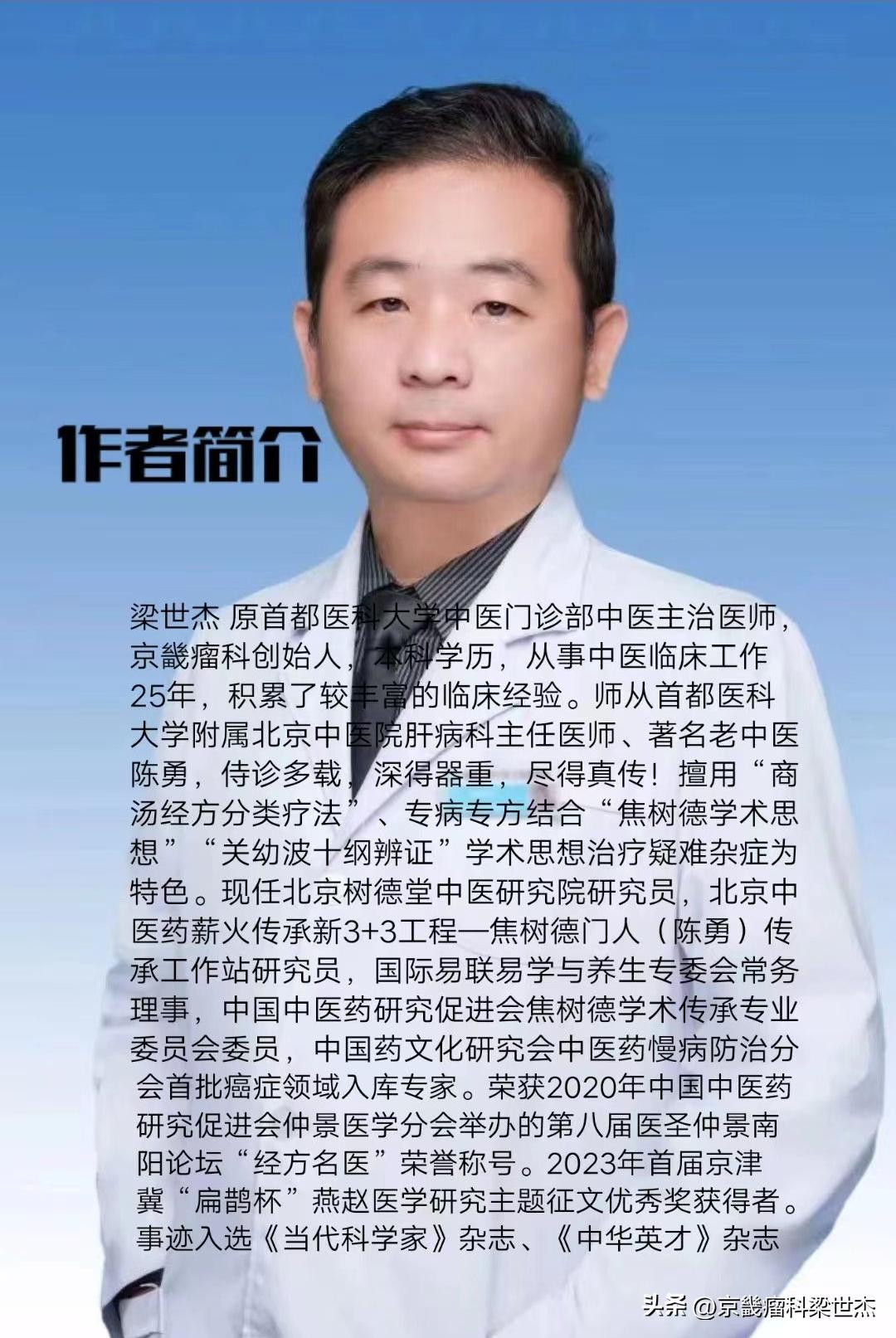
Author profile: Liang Shi-jie was a chief physician of traditional Chinese medicine at the Traditional Chinese Medicine Outpatient Clinic of Capital Medical University. He was the founder of Jingyi Tumor Clinic. He holds a bachelor’s degree and has been engaged in clinical work in traditional Chinese medicine for 25 years, accumulating extensive clinical experience. He studied under Chen Yong, a renowned senior traditional Chinese medicine practitioner at the Hepatology Department of Beijing Traditional Chinese Medicine Hospital affiliated to Capital Medical University. Over the years, he gained great respect and acquired genuine expertise. He specializes in using the “Shang Tang Classic Classification Therapy” and combining specific treatments for specific diseases with the “Jiao Shu-de Academic Thought” and the “Guan You-bo Ten-Principle Diagnosis” approach to treat complex medical conditions. He is currently a researcher at the Beijing Shu-de-Tang Traditional Chinese Medicine Research Institute and a researcher at the Beijing New 3+3 Project for the Inheritance of Traditional Chinese Medicine – Jiao Shu-de’s Disciples (Chen Yong) Heritage Workstation. He is a Standing director of the International Yi-lian Yi-xue and Health Preservation Committee and a member of the Committee for the Inheritance of Jiao Shu-de’s Academic Thought of the China Research Promotion Association for Traditional Chinese Medicine. He is also a member of the inaugural Cancer Expert Pool of the China Cultural Research Association for Traditional Chinese Medicine’s Prevention of Chronic Diseases. He was awarded the title of “Expert in Classic Prescriptions” at the Eighth Nanyang Forum of the Zhang Zhongjing Medical Division of the China Research Promotion Association in 2020. In 2023, he won the Excellence Award in the First Beijing-Tianjin-Hebei “Bian Que Cup” Yan-Zhao Medical Research Theme Essay Competition. His achievements have been featured in the magazines “Contemporary Scientists” and “China’s Elite”.