梁世傑:交淺不言深,交厚多傳道,醫患溝通裏的智慧與分寸
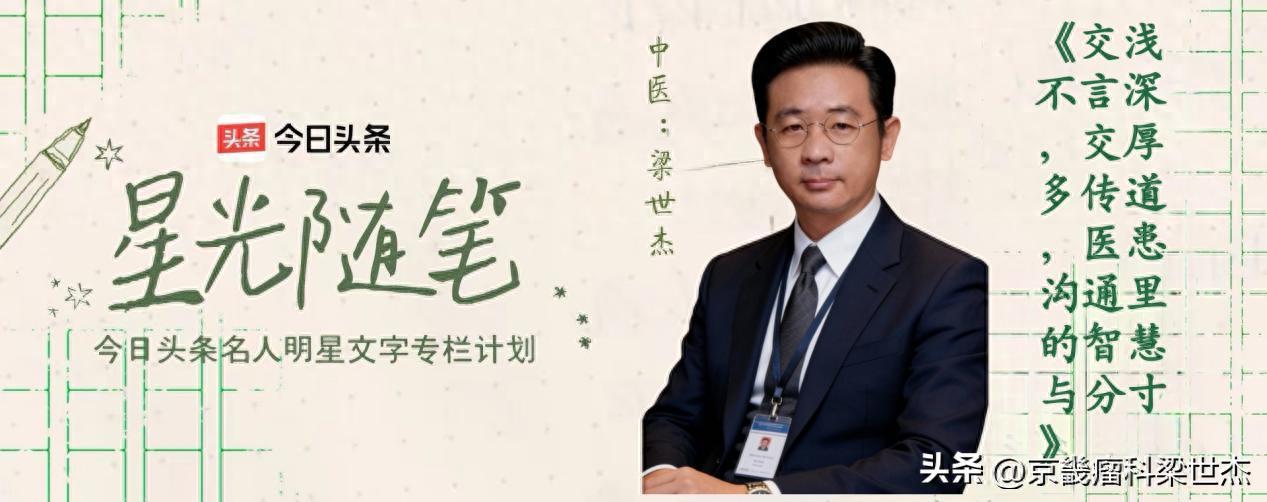
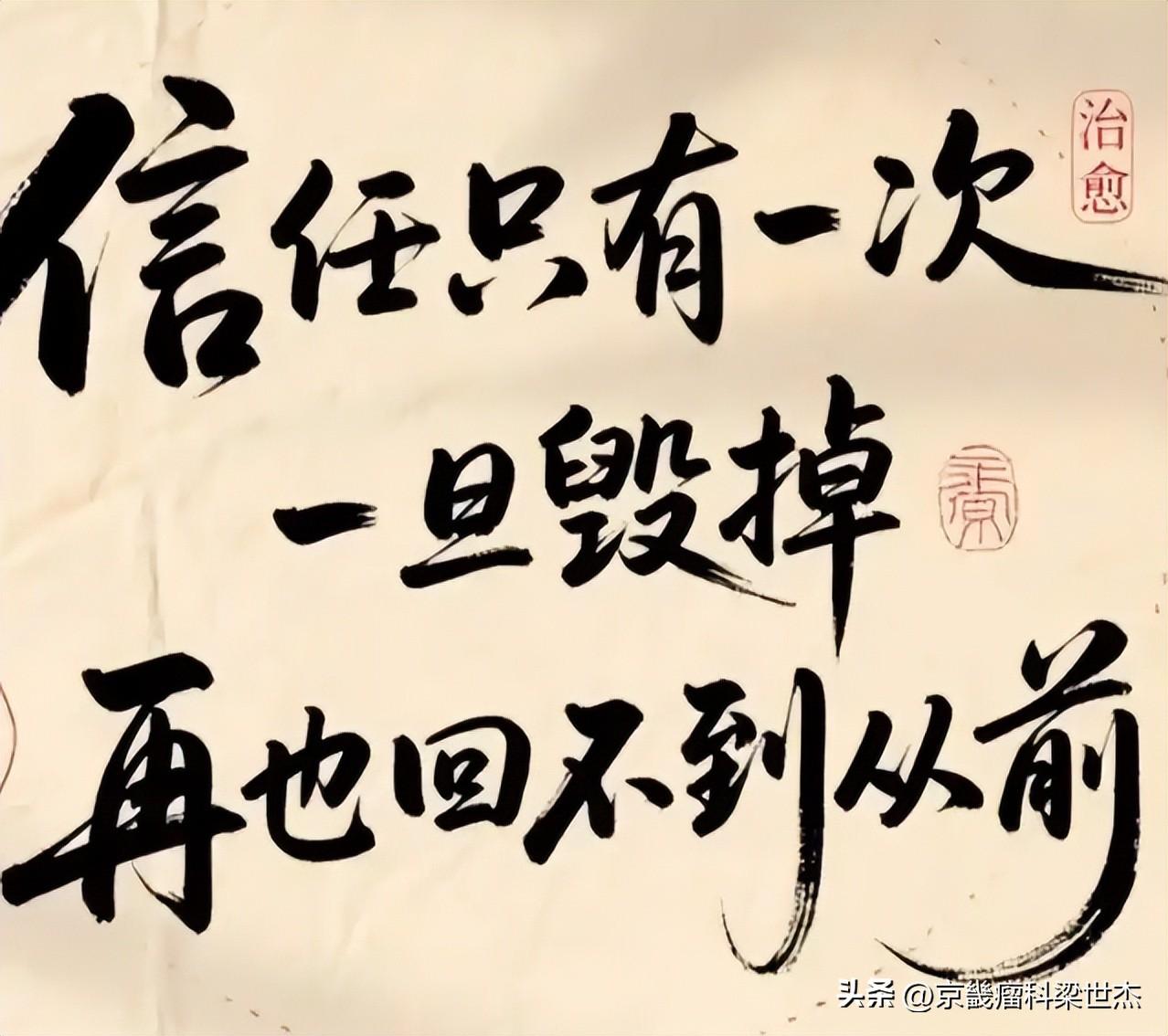
人際交往有一句千古箴言:交淺言深,君子所戒。關係未到,話說太滿,情未到深,語太過切,輕則讓人戒備,重則引人猜忌,最後好心辦壞事,真誠變嫌疑。
這條處世智慧,放在醫患溝通裏,不僅是金科玉律,更是決定信任、依從與療效的關鍵法門。很多醫者用心良苦,卻不被理解;很多患者滿腹疑慮,卻不願配合,根源往往不在醫術,而在說話的分寸。
一、新患之交:言多必失,簡語爲金
初診相遇,醫生與患者本是陌生人。患者帶着病痛、焦慮,更帶着對陌生環境的天然戒備。此時的溝通,最忌滔滔不絕、鋪陳過多、解釋過細。
心理學上有一個經典現象:信息過載引發信任崩塌。人在焦慮狀態下,認知容量有限,信息越多,越無法判斷真假,越容易產生反向揣測。你講得越細,患者越覺得你在鋪墊;你說得越全,患者越覺得你另有目的;你越是熱情周到,患者越覺得你在設局套路。
簡單一句道理:不熟的時候,多說一句都是負擔,多講一點都是嫌疑。
舉個最常見的場景:
新患者第一次就診,醫生剛問完病情,就長篇大論講病理、講機制、講方案、講注意事項,從病因講到預後,從飲食講到作息,從調理講到禁忌。信息鋪天蓋地,患者一頭霧水,最後心裏只剩一句話:他爲什麼跟我說這麼多?
於是猜忌滋生:
是不是想讓我多花錢?
是不是想讓我多開藥?
是不是病情被誇大了?
是不是在套路我?
一旦患者心裏種下懷疑的種子,再高明的醫術,也難建立依從性。不相信,就不執行;不執行,就難見效;難見效,就更不信任,最終陷入惡性循環。
對新患者,最好的溝通不是多講,而是少講、講準、講穩。
點到關鍵,不鋪陳;
說到重點,不延伸;
給出方向,不渲染。
話少則心定,言簡則信生。患者感受到的是沉穩、可靠、不繞、不欺,信任才能從第一面開始慢慢紮根。
二、久病成友:深度信賴,方可多科普
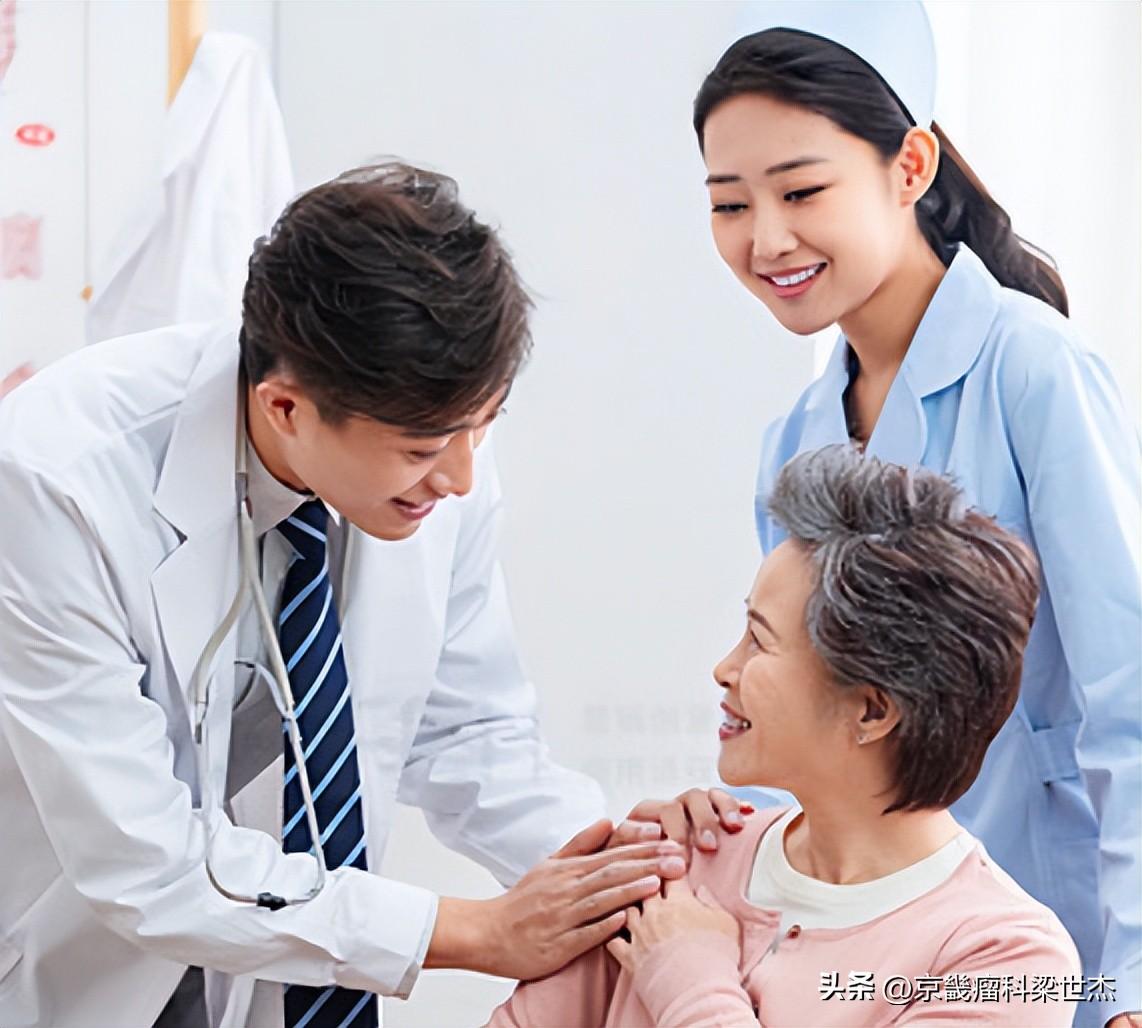
醫患關係最珍貴的境界,是十年相伴,彼此相知。
十年老患者,看過風雨,經過程效,見過真心。這份關係,早已超越普通醫患,變成知根知底的信賴。此時再吝嗇言語、不願多講,反而是醫者的失職。
有數據顯示:長期隨訪患者的依從性,與醫生科普程度呈正相關。越被耐心科普、越懂疾病原理、越知調理邏輯的患者,配合度越高、康復越穩定、複發率越低。
爲什麼?
因爲信賴已經打底,所有的解釋都不再是套路,而是真心;所有的叮囑都不再是負擔,而是關懷。此時多講,不是增加疑惑,而是消除疑惑;不是製造距離,而是拉近距離。
十年老患者,醫生多科普,有三大價值:
第一,提升認知,讓患者明白“爲什麼治、怎麼治、靠什麼好”,從被動接受,變成主動配合;
第二,減少誤區,讓患者避開謠言、避開偏方、避開錯誤習慣,少走彎路,少受傷害;
第三,增進情感,讓患者感受到醫者的負責與用心,關係越穩,康復越順。
同樣舉一個真實場景:
一位跟隨醫生十年的慢病患者,醫生會細緻講體質變化、講生活影響、講情緒關聯、講長期養護。患者聽得進去,記得住,做得到,因爲他知道:醫生是真心爲他好,沒有套路,只有真誠。
這就是交厚言深:關係到了,話說得越透,心貼得越近。
三、醫患溝通的核心:先立分寸,再傳大道
縱觀醫療全程,溝通成敗不在話多話少,而在時機與分寸。
新患階段,守嘴就是守信任,簡單就是最高級的專業;
久病階段,多言就是多用心,科普就是最實在的關懷。
古人講:話到嘴邊留三分,未可全拋一片心。不是不真誠,而是不越界;不是不負責,而是懂節奏。
醫患之間,最忌諱的就是:不熟的時候掏心掏肺,太熟的時候惜字如金。
新患言多,必生疑;老患言少,必生疏。
真正高明的醫者,懂得看人說話,看情交底,看信任度定分寸:
對初識者,守口如瓶,簡潔穩重,不增一分猜忌;
對老患者,知無不言,細緻科普,不減一分關懷。
話不多不少,剛好好;
心不冷不熱,剛剛好;
情不淺不深,剛剛好。
四、結語:醫以信立,言以度行
行醫先修心,溝通先守分寸。
交淺不言深,是醫者的清醒與剋制;
交厚多傳道,是醫者的仁心與擔當。
醫患之間,信任是基石,分寸是門道,真誠是底色。話少而穩,能立初信;話多而誠,能固久情。先把話說對,再把話說好;先把人做穩,再把醫治細。
不套路、不誇大、不越界、不冷心。
如此,醫患無猜,信任長存,療效自生,大道自成。
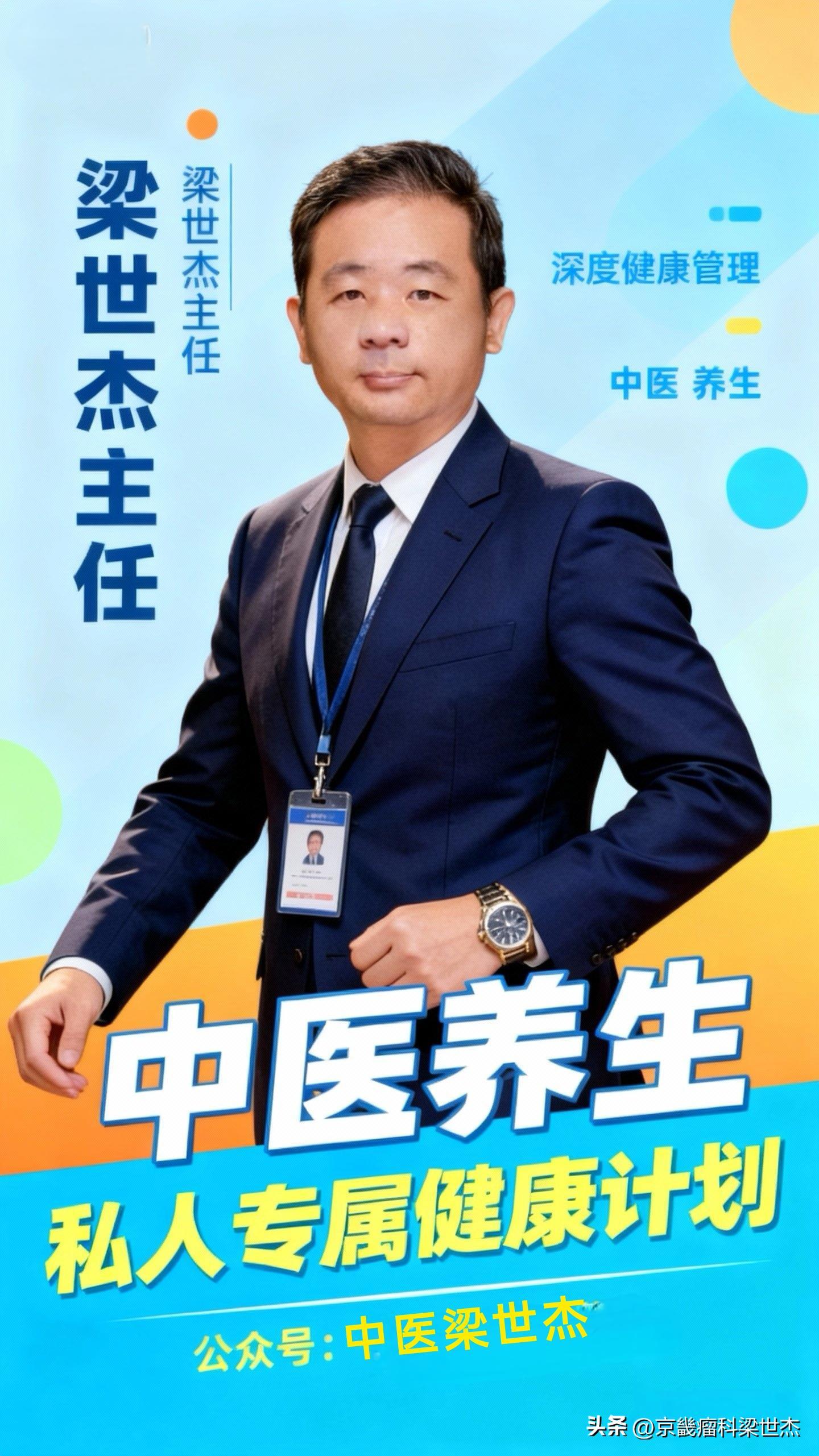
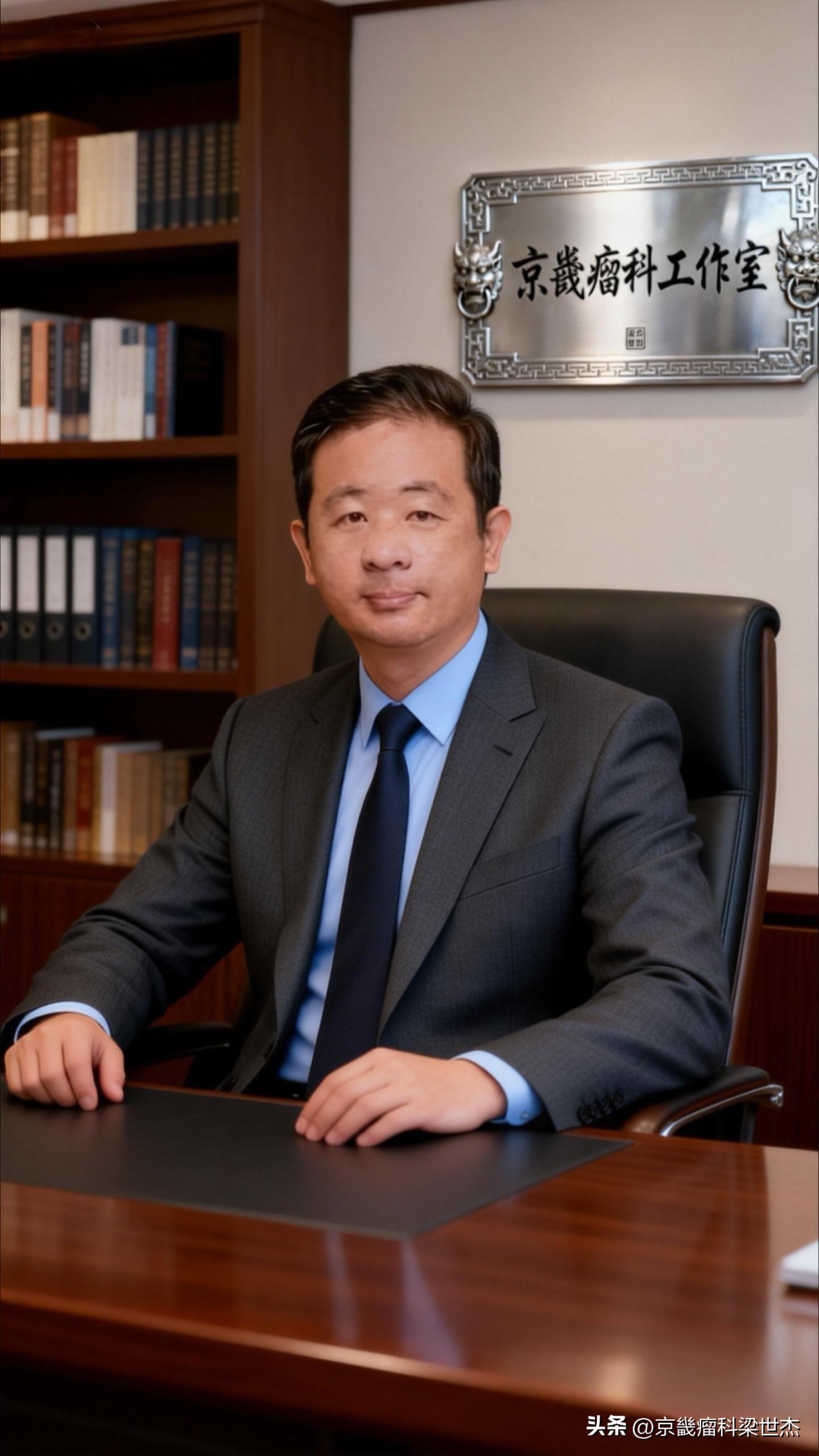
作者簡介:梁世傑,京畿瘤科創始人,出身中醫世家,原首都醫科大學中醫門診部主治醫師,畢業於河北醫科大學,深耕中醫腫瘤臨牀與科研25年。爲國醫大師、肝病泰斗關幼波,風溼病泰斗焦樹德學術思想第三代傳人,師承首都醫科大學附屬北京中醫院肝病科知名老中醫陳勇,侍診研習多年,盡得真傳,學驗俱豐。
一、學術思想與診療特色
作爲中醫腫瘤領域體系化創新學者,首創“穩態抗癌”核心學術體系,提出從“以毒攻毒”向“穩態和諧”範式轉型,以“平祕陰陽、祛邪解毒、護固正氣”爲治療總則,立足《黃帝內經》“正氣存內”理念,明確腫瘤爲全身失衡的局部顯現,通過調理臟腑氣血、改善“癌狀態”體質、切斷腫瘤微環境,實現高質量帶瘤生存,爲中晚期腫瘤治療確立“以人爲本、生命優先”的價值導向。
臨牀構建“辨病+辨證+辨體”三辨精準診療模式,融合抗癌專病專方與“商湯經方分類療法”、關幼波十綱辨證與焦樹德學術思想,創新“易學中醫辯證哲學思維模式”及象數五行體質應用;用藥恪守平和中正、攻補兼施、顧護胃氣原則,堅持全週期協同治療、心身同調,實現個體化、低損傷、長獲益的腫瘤診療目標。
二、學術與科研成果
主編專著:《梁世傑中醫腫瘤治療學》《商湯經方分類療法》,均獲國家版權登記;
發明專利:“三花五子六白散”治療肺癌國家發明專利1項;
學術論文:發表《古方青龍丸治療中晚期肺癌20例》等多篇腫瘤領域高價值學術論文。
三、學術任職
中國抗癌協會會員
衛生部中國醫促會中醫腫瘤防治專委會委員
中國藥文化研究會中醫藥慢病防治分會首批癌症領域入庫專家
四、榮譽與影響力
先後榮獲第八屆醫聖仲景南陽論壇“經方名醫”、首屆京津冀“扁鵲杯”燕趙醫學徵文優秀獎、衛生部全國醫學學術一等獎。學術事蹟榮登《中華英才》《當代科學家》等權威期刊,是國內中醫腫瘤領域理論體系完整、學術特色鮮明、臨牀療效確切的實力派專家。
五、擅長診療範圍
甲狀腺癌、鼻咽癌、肺癌、肺結節、乳腺癌、食管癌、胃癌、萎縮性胃炎、腸化生、腸癌、肝癌、胰腺癌、腎癌、膀胱癌、前列腺癌、淋巴瘤、腦瘤、宮頸癌、卵巢癌等各類中晚期良惡性腫瘤,及術後康復、放化療減毒增效、防復發轉移等疑難病症。

Liang Shijie: friendship is shallow without deep words, friendship is rich and often preached, wisdom and proportionality in medical-patient communication
There is an ancient saying in people''s interactions: friendship is a shallow word, and a gentleman is forbidden. Before a relationship is reached, talk too full, love too deep, and say too much, at least causes alarm, at a greater degree arouses suspicion, and at last goodwill does a bad thing, and sincerely becomes suspicious.
This worldly wisdom, in medical-patient communication, is not only a golden rule, but also a key way to determine trust, adherence and efficacy. Many healers have good intentions, but they are not understood. Many patients are unwilling to cooperate with their doubts, and the root cause is often not medical treatment, but the proportionality of speech.
I. A new friendship: Words are lost, which is simply called gold
The doctor and the patient met for the first time. Patients carry pain, anxiety, and a natural defense against unfamiliar environments. In communication at this time, it is best to avoid gushing, exaggerating and explaining too much.
There is a classic phenomenon in psychology: information overload triggers a collapse of trust. In an anxious state, people have limited cognitive capacity, and the more information, the more unable to judge true or false, the easier it is to generate reverse conjecture. The more detail you speak, the more the patient feels that you are laying the groundwork. The more completely you say, the more the patient feels that you have another purpose. The more enthusiastic you are, the more the patient feels that you are setting the stage.
A simple truth: when you are not familiar with it, talking more is a burden, talking a little more is suspect.
One of the most common scenarios:
When a new patient visits the doctor for the first time, the doctor immediately asks about the condition, and talks a long time about the pathology, the mechanism, the regimen, and the considerations, from the cause to the prognosis, from the diet to the routine, from the treatment to the contraindications. The information was so overwhelming that the patient was left with a single thought: Why did he tell me so much?
So suspicion breeds:
Are you trying to make me spend more money?
Are you trying to get me to prescribe more drugs?
Is the condition exaggerated?
Is this a routine for me?
Once the seeds of doubt are planted in the patient''s mind, it is difficult to establish adherence with even the most sophisticated medical technique. If you don''t believe it, you won''t implement it. Without implementation, it is difficult to see results; When it is difficult to achieve results, it becomes even more distrustful, and eventually becomes a vicious circle.
For new patients, the best communication is not to talk more, but to talk less, to speak accurately and to speak steadily.
Focus on the key, and don''t exaggerate it.
When it comes to focus, don''t extend;
Give direction without rendering.
When you speak few words, you are certain, when you speak briefly, you are convinced. Patients feel that they are stable, reliable, uncircumcised, and unbullying, and trust can only slowly take root from the first side.
II. Befriending a friend for a long time: Deep trust allows you to learn more
The most precious aspect of the doctor-patient relationship is ten years of being together and knowing each other.
A ten-year-old patient has seen the wind and rain, gone through the healing process, and seen the true heart. This relationship has long gone beyond the ordinary doctor and patient to become a trusted relationship with a deep understanding. At this time, to be mean and unwilling to talk more is a medical failure.
The data showed that the adherence of patients with long-term follow-up was positively related to the degree of physician knowledge. The more patient is patiently taught about the disease, the more he understands the principles of the disease, and the more he knows the logic of the therapy, the higher the co-ordination, the more stable the rehabilitation, and the lower the recurrence rate.
Why?
Because trust has been bottomed out, all explanations are no longer routine, but sincere. All advice is no longer a burden but a care. To speak more at this time is not to add to the doubt, but to eliminate it. Not to create distance, but to draw it closer.
A ten-year-old patient with a doctor who has a lot of knowledge has three values:
First, enhance cognitive ability so that patients understand "why, how and how to cure," and change from passive acceptance to active cooperation.
Second, reduce misunderstandings so that patients avoid rumors, avoid prescriptions, steer clear of wrong habits, take less corners, and be less hurt.
Third, enhance the emotions, so that patients feel the responsibility and care of the doctor, and the more stable the relationship, the smoother the recovery.
Another real-life scenario:
A chronically ill patient who has followed his doctor for a decade will talk about physical changes, life effects, emotional connections, and long-term care. The patient can hear it, remember it, and do it because he knows that the doctor is sincerely doing his best for him. There is no formula, only sincerity.
That''s how good faith is: the more you say it, the closer you get to your heart.
III. The core of medical-patient communication: first measure, then convey the principle
Throughout the medical process, success or failure of communication is not about words or phrases, but about timing and proportion.
At the new stage, keeping your mouth shut is keeping your trust, and simply it is the highest level of professionalism.
In the stage of a long-term illness, talking more is thinking more, and popularizing information is the most practical care.
The ancients said: Leave three words to your lips, but not all your heart. Not disingenuous, but not crossing boundaries; Not unaccountable, but understanding the rhythm.
Among doctors and patients, the most taboo is to tear your heart and lungs when you are not very good, and to swear words when you''re too good.
A new worry is always a doubt; Old people who have few words will become ill-acquainted.
A truly wise healer knows how to look at people''s speeches, how to look after relationships, and how to measure trust:
To a first-time acquaintance, keep your mouth as tight as a bottle, keep it simple and steady, and don''t increase any suspicion.
To the elderly patients, we must know everything and carefully educate them so as not to decrease our care.
There wasn''t much to say. It was just good.
My heart is not cold or hot; it is just right.
It''s a very deep affair, just the right one.
IV. CONCLUSIONS: Medical practice is based on faith, and actions are based on words.
Practice medicine first, and communicate with a measured approach.
Shallow communication without deep words is the soberness and restraint of the doctor.
Being kind and preaching is the compassion and responsibility of a doctor.
Between doctors and patients, trust is the cornerstone, proportionality is the gateway, and sincerity is the underlying color. Words are small but steady, and you can believe at first. Words are long and sincere, and relationships endure. Speak right first, and speak good second. First, stabilize the person, then carefully treat the person.
Do not stereotype, do not exaggerate, do not cross boundaries, and do not be coldhearted.
In this way, doctors and patients have no doubt, trust persists, the cure is self-sustaining, and the cause is self-developed.
Author profile: Liang Shi-jie, the founder of the Jingyi Tumor Clinic, hails from a family of traditional Chinese medicine practitioners. He was a chief physician at the Traditional Chinese Medicine Outpatient Clinic of the former Capital Medical University. He graduated from Hebei Medical University and has devoted 25 years to clinical practice and research in traditional Chinese medicine oncology. He is the third generation of the academic lineage of Guan You-bo, a master of traditional Chinese medicine and a renowned expert in liver diseases, and Jia Shu-de, a master of rheumatology. He studied under Chen Yong, a well-known elderly traditional Chinese medicine practitioner in the liver disease department of Beijing Traditional Chinese Medicine Hospital affiliated to the Capital Medical University. He has gained extensive knowledge and experience through many years of study and practice.
I. Academic Thought and Diagnostic/Therapeutic Specialties
As a scholar specializing in systematized innovation in the field of traditional Chinese medicine oncology, I pioneered the core academic system of “steady state anti-cancer.” I proposed a transition from the paradigm of “using poison to counter poison” to “steady state harmony,” with the general principles of “balancing Yin and Yang, eliminating evil and detoxifying, and protecting and reinforcing healthy qi.” Grounded in the concept of “healthy qi resides within” from the Huangdi Neijing, I clarified that tumors are localized manifestations of overall imbalance. By regulating the qi and blood of internal organs, improving the “cancer state” constitution, and disrupting the microenvironment of tumors, we can achieve high-quality survival with a tumor present, thereby establishing a value orientation of “people-centeredness and prioritizing life” for the treatment of advanced and late-stage tumors.
Clinical construction of the “diagnosis + syndrome differentiation + constitution identification” three-step precise diagnosis and treatment model, integration of cancer-specific treatments and “Shang Tang classic prescription classification therapy,” Guan Youbo’s ten-category syndrome differentiation method, and Jiao Shude’s academic thoughts, innovation of the “easy-to-learn traditional Chinese medicine dialectical philosophical thinking mode” and the application of symbolic number and five-element constitution; adhering to the principles of moderation and balance, combining attack and supplementation, and protecting the stomach qi, maintaining comprehensive and coordinated treatment throughout the entire cycle, balancing mind and body, and achieving personalized, low-injury, and long-term benefits in cancer diagnosis and treatment.
II. Scholarly and Research Achievements
Co-authored monographs: “Liang Shi-jie’s Traditional Chinese Medicine for Cancer Treatment” and “Shang Tang’s Classification Therapy Based on Classical Prescriptions”; both have been registered for national copyright protection.
Patent for invention: One national patent for the invention of “Sanhua Wu Zi Li Bai San” for the treatment of lung cancer.
Academic Papers: Published numerous high-value academic papers in the field of oncology, including “The Treatment of 20 Cases of Advanced-Stage Lung Cancer with Ancient Formula Qinglong Pill.”
III. Academic Positions
Member of the Chinese Cancer Association.
Member, Expert Committee on Traditional Chinese Medicine Cancer Prevention and Treatment, China Medical Promotion Association, Ministry of Health.
First-batch cancer-related experts inducted into the Chinese Traditional Medicine Prevention and Treatment of Chronic Diseases Branch of the Chinese Pharmaceutical Culture Research Association.
IV. Recognition and Influence
He has been awarded the title of “Expert in Traditional Medicine” at the Eighth Symposium of the Medicine Saint Zhongniang of Nanyang, the Outstanding Award for Medical Writing at the First Beijing-Tianjin-Hebei “Bian Que Cup” Symposium on Yan-Zhao Medicine, and the First Prize for Medical Scholarship by the Ministry of Health. His academic achievements have been featured in prestigious journals such as “China’s Elite” and “Contemporary Scientists.” He is a highly respected expert in the field of traditional Chinese medicine oncology, known for his comprehensive theoretical framework, distinctive academic characteristics, and proven clinical efficacy.
V. Areas of Expertise
Thyroid cancer, nasopharyngeal cancer, lung cancer, pulmonary nodules, breast cancer, esophageal cancer, gastric cancer, atrophic gastritis, intestinal metaplasia, intestinal cancer, liver cancer, pancreatic cancer, kidney cancer, bladder cancer, prostate cancer, lymphoma, brain tumors, cervical cancer, ovarian cancer, and other various advanced and late-stage benign and malignant tumors, as well as post-operative rehabilitation, radiation and chemotherapy to reduce toxicity and enhance efficacy, and prevention of recurrence and metastasis, among other complex conditions.