梁世傑:“穩態抗癌”是“京畿瘤科”中醫抗癌學術品牌的範式革新
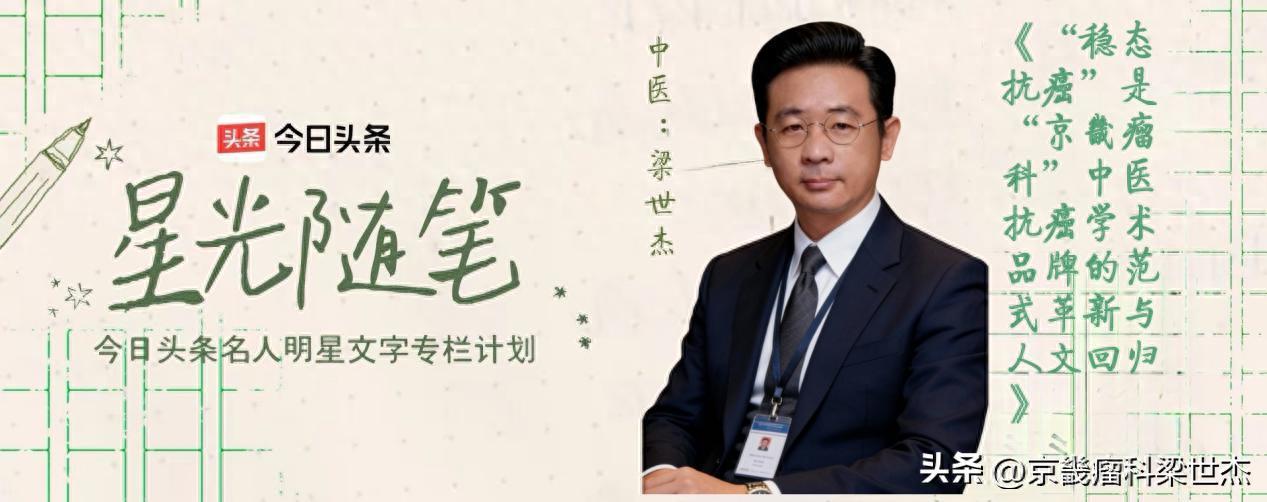
在腫瘤治療從“斬草除根”向“長期共存”轉型的當下,京畿瘤科創始人梁世傑以傳統中醫爲根、現代腫瘤學爲用,構建起一套以人爲本、穩態和諧、全程協同的個體化診療體系。這套體系不追一時之效、不逞藥物之猛,以“調體質、護胃氣、和身心”爲核心,重新定義了中晚期腫瘤治療的價值標尺——活着,更要活得有質量、有尊嚴。
一、理念破局:從“以毒攻毒”到“穩態和諧”,迴歸中醫治癌本源
傳統中醫治癌常陷入“以毒攻毒”的路徑依賴,重用峻猛毒藥試圖直接消瘤,卻易損傷脾胃、耗竭正氣,尤其對晚期、體虛患者,往往“瘤未去、人已衰”。梁世傑直指核心:腫瘤是全身失衡的局部顯現,而非孤立病竈。
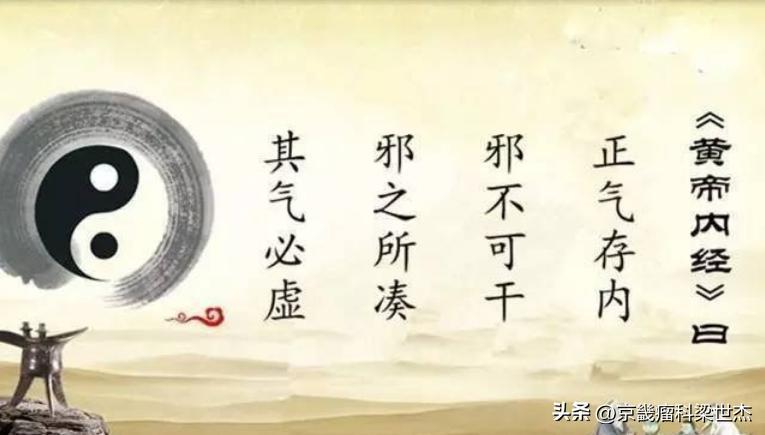
這一認知契合《黃帝內經》“正氣存內,邪不可幹”的經典論斷,也與現代醫學將腫瘤定義爲“全身性慢性疾病”的觀點高度同頻。他摒棄“攻瘤至上”的激進思路,以穩態和諧爲核心理念,通過調理五臟氣血、改善“癌狀態”體質,切斷腫瘤賴以生存的內環境,最終實現“人瘤長期共存”的帶瘤生存目標。
國際乳腺癌研究機構(IBCSG)2023年數據顯示,約30%晚期腫瘤患者可通過體質調理與綜合干預實現帶瘤生存;臨牀真實世界研究亦證實,以“穩態”爲核心的治療方案,能將晚期腫瘤急症致死率控制在5%以下,這正是梁氏診療理念的科學佐證。
二、診療升級:“三辨”模式重構個體化治癌邏輯
中醫辨證論治的精髓在於個體化,梁世傑在此基礎上創新辨病+辨證+辨體三辨模式,打破傳統中醫與現代醫學的壁壘,讓治癌更精準、更貼合臨牀。
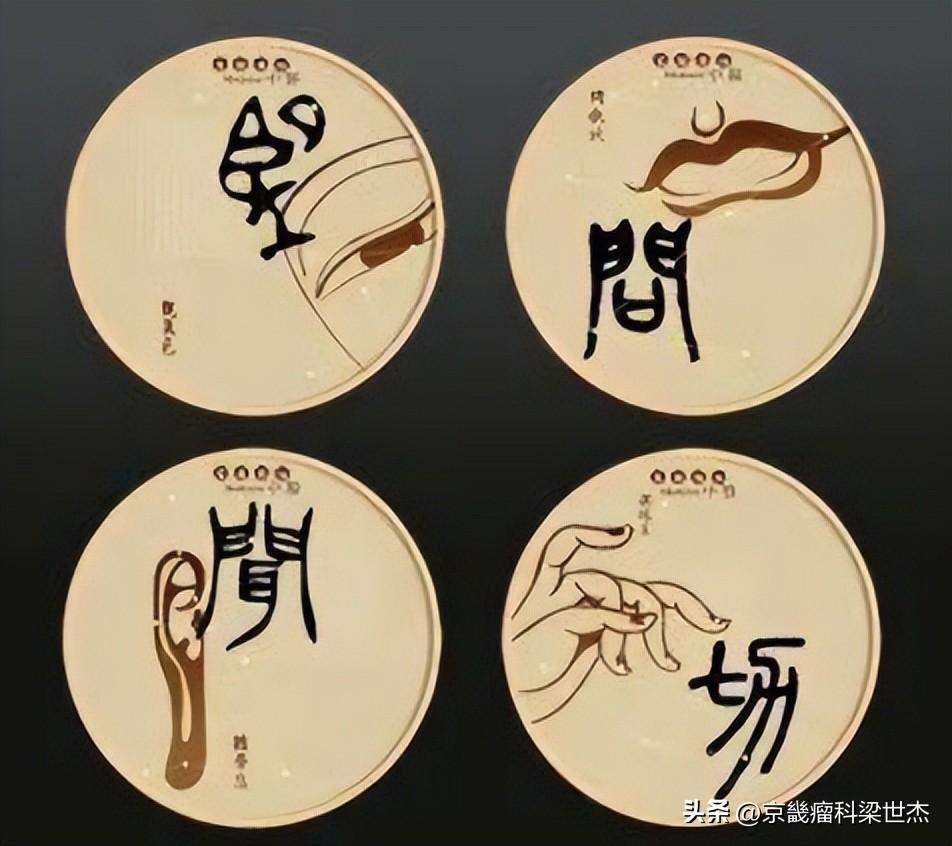
辨病,錨定西醫病理與分期,明確腫瘤類型、侵襲程度,避免盲目施治;辨證,遵循中醫四診合參,判斷氣血陰陽、寒熱虛實,把握當下病機;辨體,參照中醫九種體質分型,從根源調理偏頗體質,阻斷腫瘤復發轉移的土壤。三者合一,既不脫離現代醫學的精準診斷,又堅守中醫整體觀,爲每位患者定製“一人一方、一時一方”的治療方案,告別“千人一方”的粗放式治療。
解放軍醫學院學報研究指出,辨病與辨證結合,能讓腫瘤治療有效率提升20%以上;而融入體質辨識,更可將術後復發風險降低15%,這正是“三辨”模式的臨牀價值所在。
三、用藥智慧:平和中正,守胃氣以固生命之本
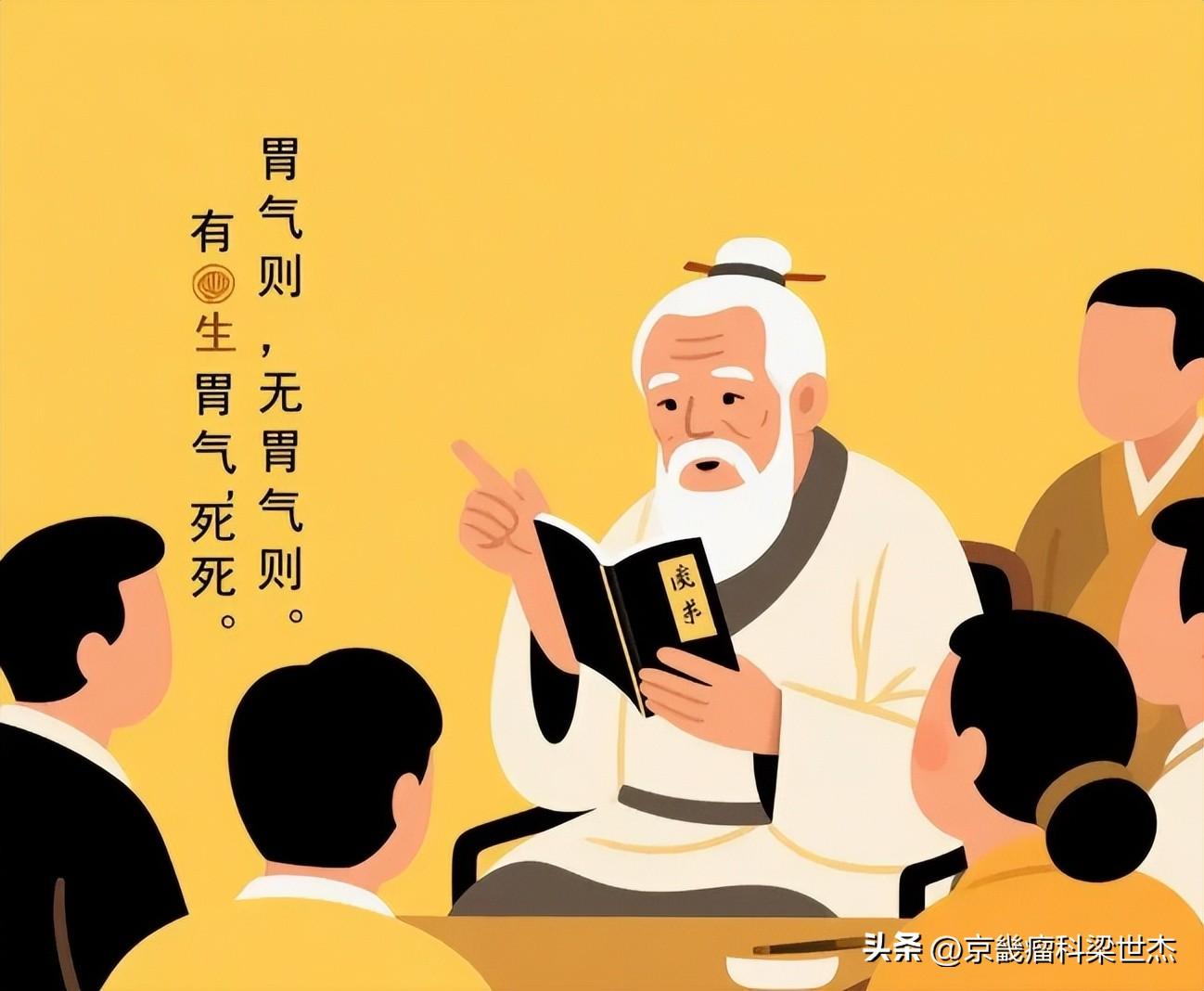
腫瘤患者的胃氣,是生存質量與生存期的核心保障——“有胃氣則生,無胃氣則死”。梁世傑用藥堅守平和中正、攻補兼施原則,慎用劇毒藥物,以“護胃氣、扶正氣、通經絡”爲核心,形成獨特用藥策略:
重用藤類藥通絡散結、蟲類藥通經祛瘀,搭配血肉有情之品扶正培本,既避免峻猛藥物傷正,又能精準祛邪。這種用藥思路,既契合中醫“緩則治本”的理念,又符合現代腫瘤治療“最小有效劑量、最低不良反應”的原則。
臨牀數據顯示,遵循該用藥策略的患者,噁心嘔吐、乏力、食慾不振等放化療副反應發生率降低40%,白細胞恢復速度加快25%,體力狀態(KPS評分)平均提升20分以上,真正實現“治病而不致病”。
四、全程協同:中醫不再是“替補”,而是治癌全週期主力
長期以來,中醫常被視爲晚期腫瘤的“姑息手段”,梁世傑則強調中醫應貫穿腫瘤治療全程,與手術、放化療、靶向治療形成協同效應:
放化療期間,以“減毒增效”爲核心,緩解骨髓抑制、消化道反應,提升治療耐受性;術後聚焦“免疫重建”,調理氣血、修復機體,恢復免疫系統的腫瘤監測功能;康復期側重“防復發轉移”,持續調理體質,鞏固治療成果。
北京某腫瘤醫院臨牀實踐證實,早期介入中醫協同治療,可讓腫瘤患者完成規範治療的比例提升35%,遠期無病生存期顯著延長,徹底打破“中醫只能兜底”的認知誤區。
五、形神兼治:心療是激活自愈力的關鍵一環
梁世傑的診療體系,最動人之處在於不只治身病,更醫心病。腫瘤患者常伴隨焦慮、抑鬱、絕望等負面情緒,而不良情緒會抑制免疫功能,加速病情進展。他將心理疏導融入治療全程,以共情與疏導幫助患者重建抗癌信心,實現“形神兼治”。
現代心身醫學研究表明,積極的心理狀態能提升NK細胞、T淋巴細胞的抗癌活性,激活機體自愈力;臨牀隨訪顯示,接受系統心身調理的患者,焦慮抑鬱發生率減少44%,長期生存意願與生活質量顯著提升。這印證了“善醫者,先醫其心,而後醫其身”的古訓。
六、價值迴歸:腫瘤治療的終極目標是“人”,而非“瘤”
對比追求“快速消瘤”的常規思路,梁世傑的治療特色,本質是醫療價值的迴歸——以患者爲中心,而非以病竈爲中心;以生活質量爲底線,而非以腫瘤大小爲唯一標準;以長期穩態爲目標,而非以短期攻邪爲追求。
這種思路,不是放棄抗癌,而是以更理性、更人文的方式對抗疾病:讓晚期患者少受痛苦、安享餘生;讓術後患者快速康復、迴歸生活;讓高危人羣調理體質、防患未然。它傳遞的核心價值是:腫瘤是慢性病,抗癌是持久戰,最好的療效,是與疾病和平共處,活出生命的長度與溫度。
從中醫經典到現代醫學,從體質調理到心身同治,梁世傑的診療體系,既是傳統中醫的創新傳承,也是現代腫瘤治療的有益補充。它證明:真正的抗癌智慧,從來不是硬碰硬的對抗,而是調和陰陽、守護正氣、穩態前行——這,正是中醫腫瘤診療穿越千年的生命力所在。
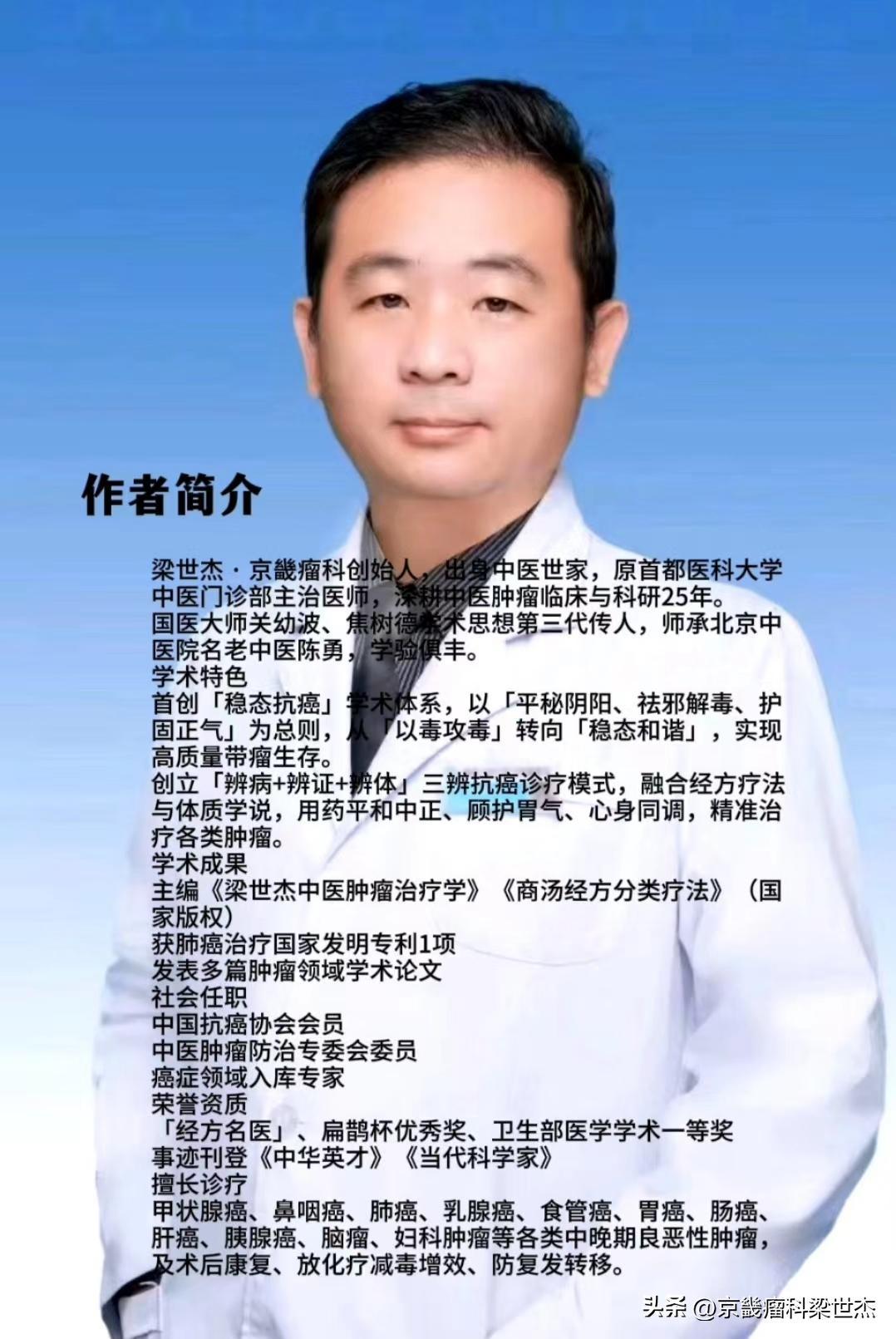
作者簡介:梁世傑 · 京畿瘤科創始人,出身中醫世家,原首都醫科大學中醫門診部主治醫師,深耕中醫腫瘤臨牀與科研25年。
國醫大師關幼波、焦樹德學術思想第三代傳人,師承北京中醫院名老中醫陳勇,學驗俱豐。
學術特色
首創「穩態抗癌」學術體系,以「平祕陰陽、祛邪解毒、護固正氣」爲總則,從「以毒攻毒」轉向「穩態和諧」,實現高質量帶瘤生存。
創立「辨病+辨證+辨體」三辨抗癌診療模式,融合經方療法與體質學說,用藥平和中正、顧護胃氣、心身同調,精準治療各類腫瘤。
學術成果
主編《梁世傑中醫腫瘤治療學》《商湯經方分類療法》(國家版權)
獲肺癌治療國家發明專利1項
發表多篇腫瘤領域學術論文
社會任職
中國抗癌協會會員
中醫腫瘤防治專委會委員
癌症領域入庫專家
榮譽資質
「經方名醫」、扁鵲杯優秀獎、衛生部醫學學術一等獎
事蹟刊登《中華英才》《當代科學家》
擅長診療
甲狀腺癌、鼻咽癌、肺癌、乳腺癌、食管癌、胃癌、腸癌、肝癌、胰腺癌、腦瘤、婦科腫瘤等各類中晚期良惡性腫瘤,及術後康復、放化療減毒增效、防復發轉移。
Liang Shijie: "Steady state anti-cancer" is the paradigm innovation and cultural return of the "jingji oncology" traditional Chinese medicine anti-cancer academic brand.
At the moment of the transformation of oncology treatment from "weeding out the roots" to "long-term coexistence," Liang Shijie, founder of Jingji Oncology, takes traditional Chinese medicine as the root and modern oncology as the use, and has built a personalized diagnosis and treatment system that puts people first, steady state harmony, and whole-process coordination. This system does not catch up with a once-in-a-lifetime success or the vigor of drugs. With the core of "conditioning the body, protecting the stomach, and maintaining the body and mind," it redefines the value scale of medium- and late-stage cancer treatment - to live, and to live with quality and dignity.
I. Idea breaks down: From "attacking drugs with poison" to "steady state harmony," returning to the root cause of traditional Chinese medicine for cancer treatment
Traditional Chinese medicine for cancer treatment often becomes dependent on the "poison-for-poison" path, reusing fierce poisons to try to eliminate tumors directly, but it is easy to damage the spleen and stomach and deplete the qi, especially for patients with advanced and debilitated conditions, often "the tumor is not gone and the person is already weak." Leung pointed to the core: a tumor is a localized manifestation of a systemic imbalance, not an isolated lesion.
This understanding is in line with the classical assertion in the Huangdi scripture that "the good is in the body, and the evil is not able to act." It is also highly consistent with the view in modern medicine that tumors are defined as "systemic chronic disease." He abandoned the radical idea of "attacking tumors first," and took homeostasis harmony as the core concept. By regulating the qi and blood of the five organs, improving the "cancer state" of the body, and severing the internal environment on which the tumors depend to survive, he finally achieved the goal of "long-term coexistence of human tumors."
According to the data of the International Institute of Breast Cancer Research (IBCSG) in 2023, about 30% of patients with advanced cancer can survive with tumor through physical conditioning and comprehensive intervention; Clinical real-world studies have also confirmed that treatment regimens with "homeostasis" as the core can control the mortality rate of advanced tumor acute diseases to less than 5%, which is scientific proof of the Liang philosophy of therapy.
II. Diagnostic and treatment upgrade: the "triple diagnosis" model reconstructs the logic of individualized cancer treatment
The essence of traditional Chinese dialectical treatment lies in individualization. On this basis, Liang Shijie has developed a three-dimensional pattern of diagnosis, diagnosis, and diagnosis, breaking the barrier between traditional Chinese medicine and modern medicine, and making cancer treatment more precise and clinically appropriate.
Identify the disease, anchor the Western medical pathologies and stage, clarify the type of tumor and the extent of invasion, and avoid blind treatment. Identify the symptoms, follow the four traditional Chinese medicine consultations, determine the yin and yang, the cold and the fever, and grasp the current illness. Identify the body, referencing the nine types of physical condition in Chinese medicine, adjust the partial physical condition from the root cause, and block the soil of tumor recurrence and metastasis. Together, the three elements are not divorced from the precise diagnosis of modern medicine, but also adhere to the holistic view of traditional Chinese medicine, customizing the treatment plan for each patient "one person, one time one person" and saying goodbye to the extensive treatment of "one thousand people."
A study in the Proceedings of the People''s Liberation Army Medical College pointed out that the combination of diagnosis and diagnosis can improve the efficiency of tumor treatment by more than 20%. In addition, the inclusion of physical identification can reduce the risk of postoperative recurrence by 15%, which is the clinical value of the "triple identification" model.
III. Medicinal wisdom: peacefulness, moderation, maintenance of stomach qi to solidify the essence of life
The stomach qi of tumor patients is the core guarantee of survival quality and survival - "With stomach qi, you will live, and without stomach Qi, you will die." Liang Shijie''s medicine adheres to the principles of peace, moderation, healing and applying both. He uses highly toxic drugs prudently, and has "protecting the stomach, supporting the right breath, and healing the meridians" as the core, forming a unique medication strategy:
Reuse vinegars to suppress knots and worms to detoxify meridians and bruises, and use blood and flesh-loving remedies to correct the root, which will avoid the harmful effects of harsh drugs and correct the evils precisely. This approach to medication not only conforms to the concept of "slow treatment of the root cause" in traditional Chinese medicine, but also meets the principle of "minimum effective dose and minimum adverse reaction" in modern cancer treatment.
Clinical data show that patients who followed this medication strategy reduced the incidence of side effects of chemotherapy such as nausea, fatigue, and loss of appetite by 40%, the recovery rate of white blood cells accelerated by 25%, and the physical state (KPS score) increased by more than 20 points on average, which truly achieved "healing without causing disease."
Fourth, full-cycle coordination: Traditional Chinese medicine is no longer a "substitute," but the mainstay of the whole cycle of cancer treatment.
For a long time, traditional Chinese medicine has often been regarded as an "adjunctive means" for advanced tumors, and Liang Shijie emphasizes that traditional Chinese Medicine should be used throughout the entire course of cancer treatment, with synergistic effects with surgery, radiotherapy, and targeted treatment:
During chemotherapy, the core of "detoxification and efficiency" is to alleviate myelosuppression and digestive response, and improve treatment tolerance. After surgery, we focus on "immune reconstruction," which adjusts the air and blood, repairs the body, and restores the tumor monitoring function of the immune system. The recovery period focuses on "preventing relapse and metastasis," continuously conditioning the physical condition, and consolidating the treatment results.
The clinical practice of a cancer hospital in Beijing confirmed that early intervention of traditional Chinese medicine in concert can increase the proportion of cancer patients who complete standard treatment by 35%, and the long-term disease-free survival period is significantly extended, completely breaking the cognitive misconception that traditional Chinese Medicine can only provide relief.
V. Gestalt and Healing: Therapy is a key part of activating self-healing power
The most moving aspect of Liang Shijie''s treatment system is that it not only treats physical ailments, but also treats mental ailments. Cancer patients are often accompanied by negative emotions such as anxiety, depression, and hopelessness, and adverse emotions can suppress immune function and accelerate the progression of the disease. He incorporates psychological counseling into the entire course of treatment to empathy and counseling to help patients rebuild their anti-cancer confidence and achieve "both form and spirit healing."
Modern psychosomatic medicine research shows that positive mental state can enhance the anti-cancer activity of NK cells and T gonorrhea cells and activate the self-healing power of the body; The clinical follow-up showed that patients who received systematic psycho-physical therapy had a 44% reduction in the incidence of anxiety and depression, and significantly improved long-term survival desire and quality of life. This confirms the ancient teaching that "a good healer first treats his heart and then his body."
VI. RETURN OF VALUE: The ultimate goal of tumor therapy is the "person," not the "tumor."
In contrast to the conventional approach of pursuing "fast tumor elimination," Liang Shijie''s therapeutic features are essentially a return to medical value - focusing on patients rather than on lesions. Use quality of life as a baseline, not tumor size as the only criterion; The goal is long-term steady state, not short-term evil.
This approach is not to abandon cancer, but to fight the disease in a more rational and humane way: to allow the terminally ill to suffer less and live the rest of their lives. To allow patients to recover quickly after surgery and return to life; Let high-risk people adjust their health and prevent the disease. Its core values are that tumors are chronic diseases, that cancer is a long war, and that the best cure is to live peacefully with disease and live the length and temperature of life.
From classical Chinese medicine to modern medicine, from physical conditioning to mind-body therapy, Liang Shijie''s clinical and therapeutic system is not only the innovative inheritance of traditional Chinese medicine, but also a beneficial complement to modern cancer treatment. It proves that the true anti-cancer wisdom is never a hard confrontation, but reconciling yin and yang, protecting positive qi, and steadily moving forward - this is the life of traditional Chinese medicine oncology through the millennia.
Author profile: Liang Shi-jie · Founder of Jingyi Tumor Clinic. Born into a family of traditional Chinese medicine practitioners, he was formerly the chief physician at the Traditional Chinese Medicine Outpatient Clinic of the Capital Medical University. He has dedicated 25 years to clinical practice and research in traditional Chinese medicine oncology.
Guan Youbo and Jiaoshu De, the third generation of masters in the field of traditional Chinese medicine, were disciples of Chen Yong, a renowned elderly Chinese physician at Beijing’s Traditional Chinese Medicine Hospital. They have both extensive academic knowledge and practical experience.
Academic characteristics.
It pioneered the “steady state anti-cancer” academic system, with the general principles of “balancing Yin and Yang, eliminating evil and detoxifying, and safeguarding and reinforcing healthy qi.” This shift from “using poison to combat poison” to “steady state harmony” enables high-quality survival with cancer.
We have established a three-step diagnostic model for cancer treatment, which combines “diagnosis of disease,” “diagnosis of syndrome,” and “diagnosis of constitution.” This model integrates traditional prescription therapy with the theory of constitution. Medications are used in a balanced and moderate manner, taking care of the stomach qi and balancing both the physical and mental aspects. This approach enables precise treatment of various types of tumors.
Academic achievements.
Co-editor of “Liang Shi-jie’s Chinese Medicine for Cancer Treatment” and “Shang Tang’s Classification Therapy Based on Classical Prescriptions” (national copyright).
Granted one national invention patent for treatment of lung cancer.
Has published numerous academic papers in the field of oncology.
Social affiliations
Member of the Chinese Cancer Association.
Member of the Special Committee on Traditional Chinese Medicine Cancer Prevention and Treatment
Expert inducted in the field of cancer.
Awards and Certifications
“Distinguished Practitioner of Traditional Medicine”, Best Award at the Bian Que Cup, First Prize in Medical Scholarship by the Ministry of Health.
His achievements were featured in “China’s Outstanding Talents” and “Contemporary Scientists”.
Skilled in diagnostics.
Various advanced stages of benign and malignant tumors, including thyroid cancer, nasopharyngeal cancer, lung cancer, breast cancer, esophageal cancer, gastric cancer, colorectal cancer, liver cancer, pancreatic cancer, brain tumors, gynecological tumors, and post-operative rehabilitation, radiotherapy and chemotherapy to reduce toxicity and enhance efficacy, as well as prevention of recurrence and metastasis.