梁世傑:天地萬物和諧,纔是長生之道

在咱這紛繁複雜、神祕莫測的世界裏,疾病就像隱藏在暗處的幽靈,時不時地跳出來,給人們的生活蒙上一層陰霾。你可曾想過,這惱人的疾病究竟從何而來?其實啊,人類的疾病,大多是天地陰陽之氣的變化超出了人體的適應能力,就像一場突如其來的暴風雨,打得人體這艘小船搖搖欲墜,於是疾病便趁機登堂入室了。

“邪氣”與“正氣”:一場模糊又微妙的博弈
說起疾病,就不得不提到“邪氣”和“正氣”這對冤家。有人覺得,“邪氣”就是“正氣”太過,或者是正氣錯位之後形成的。這就好比一場原本和諧的舞蹈,舞者(正氣)突然亂了節奏或者用力過猛,就變成了讓人不舒服的“邪氣”。那這個“太過”或者“錯位”能不能像數學題一樣,用精確的量的規定來界定呢?答案就像藏在迷霧中的寶藏,讓人難以捉摸——否定。
邪氣與正氣的區別,就像霧裏看花,只能從使人體是否形成疾病的後果來推定。就好比一場神祕的偵探案,我們不能僅憑嫌疑人的外貌就斷定他是兇手,而是要根據他是否造成了犯罪後果來推斷。是什麼邪氣爲病,雖然和季節關係密切,但可不能像刻板的教條一樣,機械地規定冬季纔會傷寒,夏天一定中暑。這就好比不能規定夏天只能喫西瓜,冬天只能喫火鍋一樣荒謬。中醫裏有個高明的方法,叫“審證求因”,就像偵探根據現場留下的線索來推測犯罪過程一樣,根據證候表現來推測病因。

古今“傷寒”趣談:打破季節的枷鎖
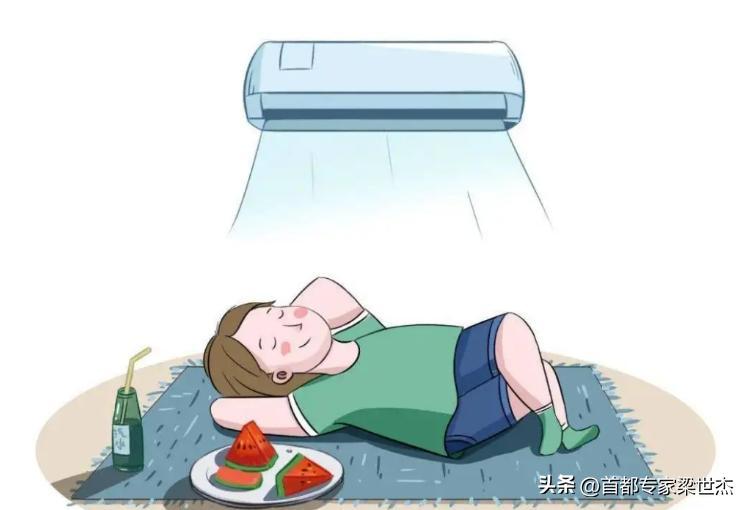
現在科技發達了,空調、冷飲成了人們生活中的常客。在炎炎夏日,空調一開,冷飲一喝,那叫一個爽。可誰能想到,這看似愜意的享受,卻讓夏季傷寒成了可能。其實啊,在古代,人們雖然沒有空調和冷飲,但也知道貪涼飲冷、露臥當風,或者突然遭遇寒流襲擊,都會在夏季讓人感受寒邪。這就好比一場跨越時空的“傷寒接力賽”,古今皆有。
有個有趣的故事,古代有個書生,夏天爲了圖涼快,晚上在院子裏鋪個涼蓆,對着風口呼呼大睡。結果第二天一早,就頭疼腦熱,渾身痠痛,活脫脫一個傷寒病人的模樣。這就是典型的夏季感受寒邪的例子。這就說明,我們不能被季節的表象所迷惑,不能簡單地認爲夏天就一定不會傷寒。就像我們不能因爲一個人穿着短袖,就斷定他不會感冒一樣。
細菌病毒:是敵是友?一場顛覆認知的思考
科學發展到今天,我們就像擁有了一雙透視眼,通過顯微鏡看到了細菌,還看見了病毒。這時候,有人就像發現了敵人一樣,把細菌和病毒當成了必須消滅的“邪氣”,恨不得將它們趕盡殺絕。可事實真的如此嗎?人體發病與否,並不取決於自然界是否有細菌、病毒,就像一場戰爭的勝負,不取決於敵人是否存在,而取決於我們自身的實力和應對策略。

每一個具體的生命個體,都是大自然這個大舞臺上的演員,都必須與周圍環境取得和諧,才能生存下去,否則就像一艘失去方向的船,在茫茫大海中只能走向毀滅。比如說,我們腸道里就生活着大量的細菌,它們就像一羣勤勞的小工人,幫助我們消化食物,合成維生素。如果我們把它們都消滅了,那我們的身體就會像一臺失去潤滑油的機器,運轉不暢。所以啊,細菌和病毒並不一定是我們的敵人,關鍵看我們如何與它們相處。

風寒與正氣:一場與自然的和解之旅
人在風寒較盛的冬季感冒了、患病了,風寒就像一個調皮的搗蛋鬼,成了致病的邪氣。可是,我們既不能像孫悟空一樣,用魔法改變周圍的氣候,也不能把自己永久地限定在恆溫箱裏,過着與世隔絕的生活。就算我們能夠改變周圍環境,生活在恆溫箱裏,就能保證永遠不患外感病嗎?答案就像一個無情的耳光,再次否定。
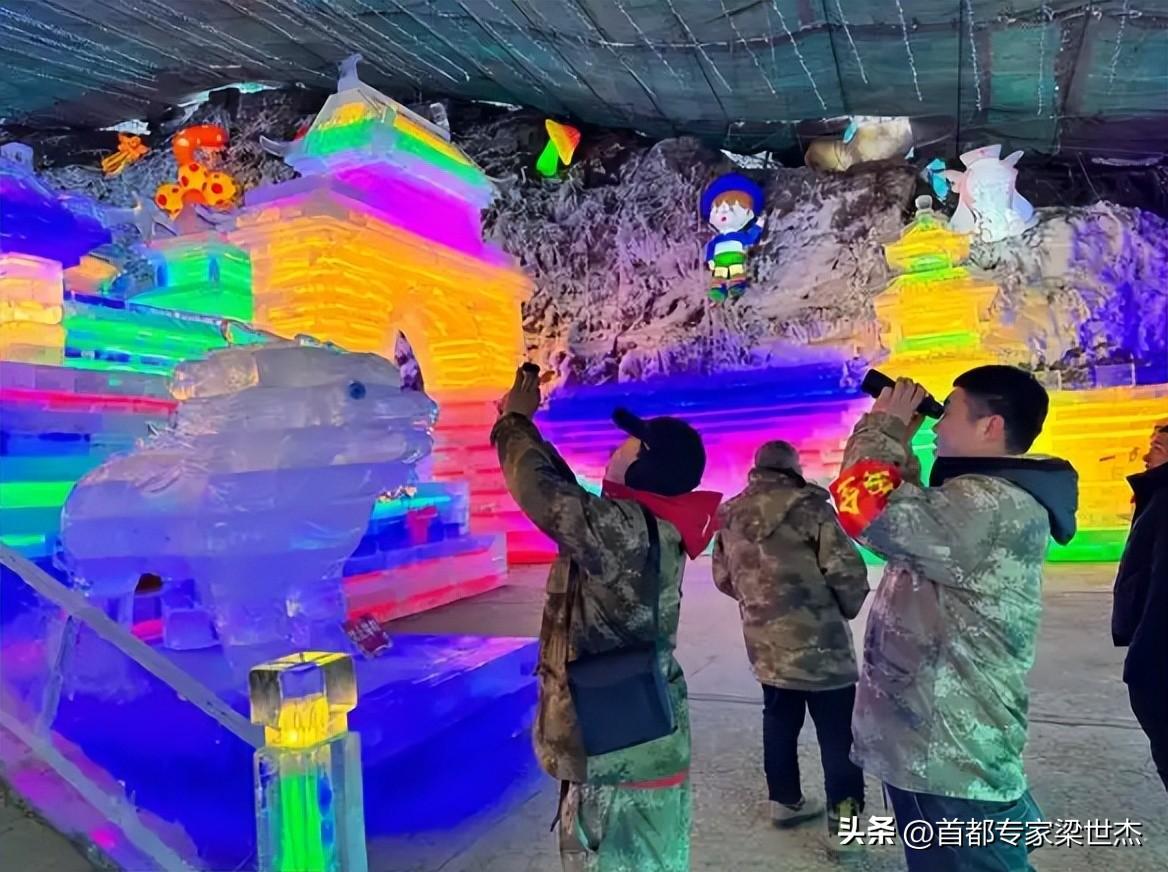
那怎麼辦呢?其實啊,只要我們正氣充足,就像給身體穿上了一層堅固的鎧甲,外感病就會望而卻步。就算不小心患了外感病,痊癒之後,我們還可以去冬泳,去滑雪,去觀賞冰燈,去享受大自然“恩賜”給我們的美麗的冬季,去感受那難得一見的寒風與冰雪。因爲寒風與冰雪,也是大自然的“正氣”,就像一把雙刃劍,既能給我們帶來挑戰,也能讓我們變得更加堅強。
破迷霧,尋生命和諧之道
在這場與疾病的較量中,我們不能被那些模糊的概念和刻板的觀念所束縛。就像在茫茫大海中航行的船隻,我們不能只盯着羅盤上的固定方向,而要根據海上的實際情況,靈活調整航線。我們要正確地把醫學的注重點建立在四診可控的範圍內,不死板地看待人與環境因素的關係。
讓我們以一種豁達、智慧的態度去面對疾病,就像面對生活中的困難一樣。不要把細菌和病毒當成洪水猛獸,而是要學會與它們和諧相處;不要被季節的變化所左右,而是要根據自身的實際情況,調整生活方式。只有這樣,我們才能在這紛繁複雜的世界裏,找到屬於自己的健康之道,讓生命之花在和諧的環境中綻放出絢麗的光彩。讓我們攜手共進,破疾病迷霧,尋生命“正氣”真章,書寫屬於我們自己的健康傳奇!
作者簡介:梁世傑 中醫高年資主治醫師,本科學歷,從事中醫臨牀工作24年,積累了較豐富的臨牀經驗。師從首都醫科大學附屬北京中醫院肝病科主任醫師、著名老中醫陳勇,侍診多載,深得器重,盡得真傳!擅用“商湯經方分類療法”、專病專方結合“焦樹德學術思想”“關幼波十綱辨證”學術思想治療疑難雜症爲特色。現任北京樹德堂中醫研究院研究員,北京中醫藥薪火傳承新3+3工程—焦樹德門人(陳勇)傳承工作站研究員,國際易聯易學與養生專委會常務理事,中國中醫藥研究促進會焦樹德學術傳承專業委員會委員,中國藥文化研究會中醫藥慢病防治分會首批癌症領域入庫專家。榮獲2020年中國中醫藥研究促進會仲景醫學分會舉辦的第八屆醫聖仲景南陽論壇“經方名醫”榮譽稱號。2023年首屆京津冀“扁鵲杯”燕趙醫學研究主題徵文優秀獎獲得者。事蹟入選《當代科學家》雜誌、《中華英才》雜誌。

Liang Shijie: Harmony between the heavens and the earth is the way to longevity
In our complicated and mysterious world, diseases are like ghosts hidden in the dark, and from time to time they come out and cast a shadow over people''s lives. Have you ever wondered where this nasty disease comes from? In fact, most human diseases are changes in the yin and yang of the earth beyond the human body''s ability to adapt, like a sudden storm that makes the human boat crumbling, and the disease seizes the opportunity to enter the house.
"Evil" and "Good": a vague and delicate game
When we speak of disease, we have to mention the feuds of "evil" and "good." Some people think that "evil spirit" is when the "positive spirit" is too much, or when the positive spirit is formed after it is misplaced. It is like a previously harmonious dance when the dancers suddenly break the rhythm or exert too much force, and become an uncomfortable "evil spirit." Can this "too much" or "misplaced" be defined by precise quantitative rules, as in mathematical problems? The answer, like a treasure hidden in a fog, is elusive - no.
The difference between evil and good, like looking at flowers in a fog, can only be presumed from the consequences of causing the human body to develop disease. Like a mysterious detective case, we cannot determine whether a suspect is a murderer based on his appearance, but rather whether he has caused the consequences of the crime. What evil is a disease, although closely related to the seasons, cannot be mechanically stipulated, as a rigid dogma, that typhoid fever occurs in winter and that heatstroke occurs in summer. It would be as absurd as not stipulating that only watermelons should be eaten in summer and hot pot in winter. In Chinese medicine, there is a brilliant method called "examining evidence and seeking cause." Just as a detective speculates on the course of a crime based on clues left at the scene, he speculates on a cause based on symptoms.
Fun talk about typhoid in ancient times: breaking the chains of the seasons
Now that technology has developed, air conditioning and cold drinks have become frequent objects in people''s lives. On a hot summer day, when the air conditioner is turned on and a cold drink is called a refreshment. But who could have imagined that this seemingly delightful enjoyment could make summer typhoid fever possible. In fact, in ancient times, people did not have air conditioning or cold drinks, but they also knew that drinking cold, lying in the wind, or suddenly being hit by a cold snap would make people feel cold in the summer. It''s like a "tetanus relay" that spans time and space, and has been around since ancient times.
There is a funny story. In ancient times, a scholar, in order to cool down in the summer, laid a cool mat in the yard at night and slept in front of the wind. As a result, early the next morning, I had a headache and fever, sore stomach, and looked like a typhoid patient. This is a typical example of feeling cold in summer. This means that we cannot be fooled by the appearance of the seasons and cannot simply assume that summer is not necessarily free from typhoid. Just as we cannot assume that just because someone wears short sleeves that they won''t get a cold.
Bacterial viruses: friend or foe? A thought that subverts cognition.
Science has evolved to the point where we have a pair of lenses that allow us to see bacteria through a microscope and to see viruses. At this time, some people, like having discovered an enemy, regarded bacteria and viruses as "evils" that must be eliminated, and they wanted to eliminate them. But is that really the case? Human disease does not depend on whether there are bacteria or viruses in nature, just as the success of a war depends not on the presence of an enemy, but on our own strength and coping strategies.
Every concrete individual, an actor on the grand stage of nature, must achieve harmony with the surrounding environment in order to survive, otherwise, like a ship that loses its direction, in the vast ocean, it can only go to destruction. For example, there are plenty of bacteria living in our guts, which act like a bunch of hardworking little workers, helping us digest food and synthesize vitamins. If we eliminate them all, our bodies will be like a machine that loses its lubricating oil and will not function properly. So, bacteria and viruses aren''t necessarily our enemies, it depends on how we get along with them.
Wind and Calm: A Journey to Reconciliation with Nature
People get colds and sick during the winter when the wind chill is strong. The wind chill, like a mischievous troublemaker, becomes a sick evil. However, we can neither use magic to change the climate around us, nor confine ourselves permanently to a thermostat and live in isolation. Even if we can change our surroundings and live in a thermostat, can we guarantee that we will never get an exposure to an infection? The answer was like a relentless slap, another denial.
So what''s to be done? In fact, as long as we have enough positivity, like putting a strong armor on our bodies, infections will be deterred. Even if we accidentally fall ill with an external infection, after we are healed, we can go winter swimming, ski, watch ice lights, enjoy the beautiful winter which nature has given us, and feel the cold wind and snow that are rarely seen. Because the cold wind and ice are also nature''s "right breath," like a double-edged sword, which can both challenge us and make us stronger.
Breaking the fog and finding a way to live in harmony
In this battle against disease, we cannot be bound by vague concepts and stereotypes. Like a ship sailing through the sea, we cannot just stare at a fixed direction on the compass, but we must adjust our course flexibly according to the actual conditions at sea. We should correctly base the focus of medicine within the control of the four diseases, and not rigidly view the relationship between human and environmental factors.
Let us face illness with an open and wise attitude, just as we face difficulties in life. Don''t think of bacteria and viruses as flood beasts, but learn to live in harmony with them. Do not be swayed by the changes of the season, but adjust your lifestyle according to your actual situation. Only in this way can we find our own way of health in this complex world, and let the flowers of life bloom in a harmonious environment. Let us work together to break the fog of disease, find the true chapter of life''s "righteousness," and write our own health legend!
Author Bio: Liang Shijie is a senior medical practitioner in traditional Chinese medicine with an undergraduate degree. He has been engaged in traditional medicine clinical work for 24 years and has accumulated a wealth of clinical experience. Following Chen Yong, chief physician of liver disease at Beijing Traditional Medicine Hospital, affiliated with Capital Medical University, and renowned old Chinese medicine, he has been treated for many years and received great attention. He specializes in the treatment of difficult diseases using "conversational traditional therapy" and special treatments combined with the academic ideas of Jiao Shude and Guan Yubo''s ten-level diagnosis.He is currently a researcher at the Shude Tang TCM Research Institute in Beijing, a fellow at the new 3 + 3 project of traditional Chinese medicine flame inheritance in Beijing - a scholar at the inheritance workstation of Jiao Shude''s protégés (Chen Yong),He is a standing committee member of the International Expert Committee on E-learning and Health Care, a member of the Jiao Shude Academic Heritage Special Committee of the Chinese Association for the Advancement of Chinese Medicine Research, and the first cancer specialist to be included in the chapter of the Chinese Pharmaceutical Culture Research Association. Won the 2020 China Association for the Promotion of Traditional Chinese Medicine Zhongjing Medical Branch held the eighth session of the Medical Saint Zhongjing Nanyang Forum "Classic Prescription Famous Doctor" honorary title. The winner of the first Beijing-Tianjin-Hebei "Pingui Cup" Yanzhao Medical Research Essay Award in 2023. His work was featured in the journal Current Scientist and the journal Chinese Talent.