學院派與民間派中醫之爭:誰纔是真“醫林高手”?
在中醫這片廣袤無垠、神祕深邃的江湖裏,學院派與民間派中醫的“對決”,恰似華山論劍,各有各的招式,各有各的擁躉。常常能聽到有人感慨:爲啥在某些地方,學院派中醫竟幹不過民間派中醫呢?這事兒啊,就像一場精彩的武林大會,背後藏着諸多門道。
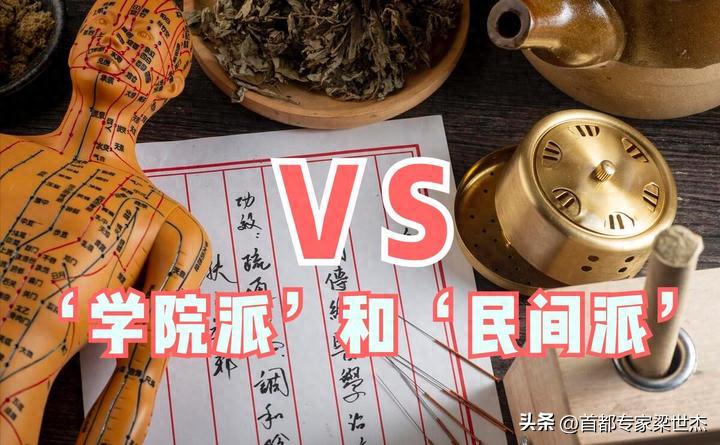
學院派:專業“高冷派”,雲中霧裏失人心
學院派中醫,那可是科班出身,就像武林中的名門正派,有着深厚的理論功底和系統的知識體系。他們就像一羣站在學術巔峯的智者,滿腦子都是陰陽五行、經絡氣血、方劑配伍這些高深的理論。專業的老師,那更是有着專業的“病”,也就是咱俗稱的職業病。
這些老師在課堂上,抬手舉足間,指點江山,那架勢,彷彿掌控着整個中醫宇宙。可一開口,就像在雲中霧裏講經,把那些深奧的中醫理論講得是天花亂墜,可羣衆卻聽得一頭霧水。就好比一位武林高手,在擂臺上展示着一套絕世武功,動作優美,氣勢磅礴,可臺下的人卻根本看不懂這招式的厲害之處,只覺得雲裏霧裏,摸不着頭腦。
我曾聽過一位學院派中醫專家講課,講到“肝主疏泄”這個概念時,他從肝臟的生理功能講到氣血的運行,又從氣血的運行講到情志的調節,再從情志的調節講到五臟六腑的相互關係,最後還引用了大量的古文經典。臺下的聽衆,大部分都是普通老百姓,他們瞪大了眼睛,張大了嘴巴,卻根本不知道這位專家到底在說什麼。這就好比給一個從來沒學過外語的人講一門高深的外語課程,再怎麼精彩,人家也聽不懂啊。
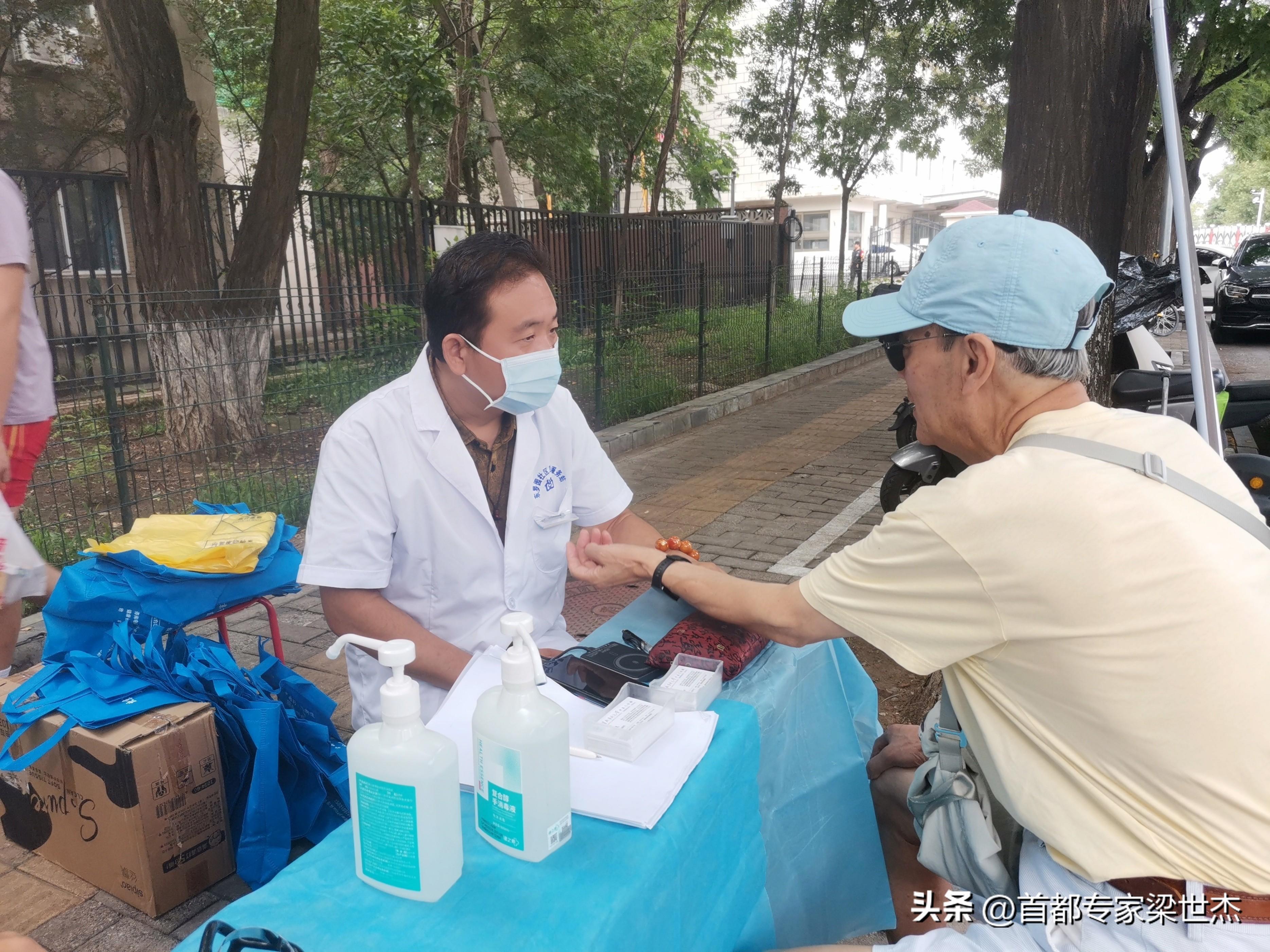
有數據顯示,在一些基層的中醫義診活動中,學院派中醫的諮詢人數往往比民間派中醫少很多。就拿某次社區義診來說,學院派中醫的攤位前冷冷清清,一個小時只有寥寥幾個人來諮詢;而民間派中醫的攤位前卻排起了長隊,一個小時能有幾十個人來問診。這鮮明的對比,就像一場比賽中的比分,讓人一目瞭然。
民間派:接地氣“草根俠”,土裏土氣有真章
民間派中醫呢,就像武林中的隱世高手,雖然沒有學院派那麼耀眼的光環,但卻有着深厚的民間底蘊和豐富的實踐經驗。他們就像一羣紮根在土地裏的莊稼漢,實實在在,接地氣。
民間派中醫大多來自民間,他們從小就跟着長輩學習中醫,在實踐中不斷摸索和總結。他們沒有那些高深的理論,但卻有着一套獨特的診斷和治療方法。他們看病就像老農種地一樣,憑藉着多年的經驗和直覺,一眼就能看出病人的問題所在。
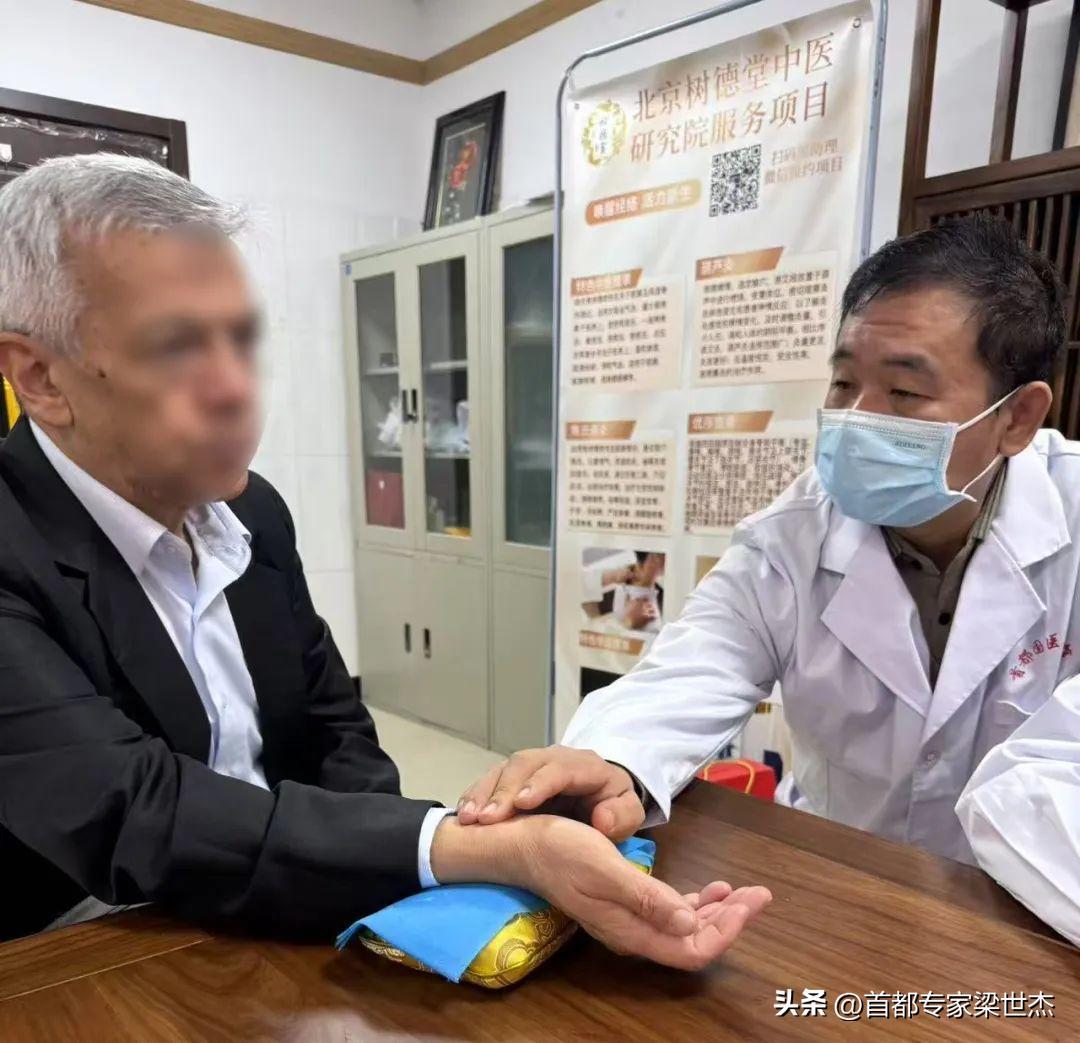
我有個朋友,曾經得了一種奇怪的病,去了好幾家大醫院,看了不少學院派中醫,喫了不少藥,卻始終不見好轉。後來,經人介紹,他找到了一位民間派中醫。這位中醫只給他把了把脈,看了看舌苔,就準確地說出了他的病因,還給他開了一副簡單的中藥方子。我朋友半信半疑地喫了藥,沒想到沒過幾天,病就好了。這就好比一個迷路的人,在學院派那裏得到的是一張複雜的地圖,卻怎麼也找不到方向;而在民間派那裏,卻得到了一句簡單的指路話,一下子就找到了出路。
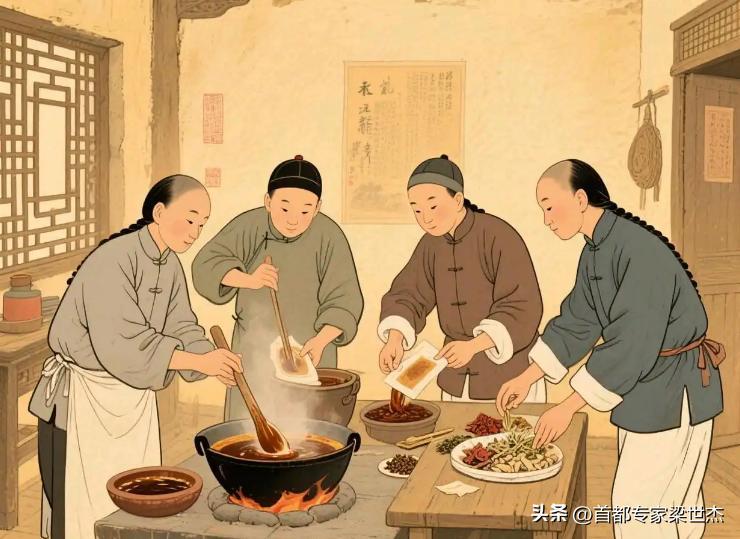
民間派中醫的接地氣還體現在他們的收費上。學院派中醫往往在正規的醫院或診所坐診,收費相對較高;而民間派中醫大多在民間行醫,收費比較親民。就像去飯店喫飯,學院派中醫的“餐廳”是高檔酒店,菜品精緻,價格昂貴;而民間派中醫的“餐廳”是小飯館,菜品家常,價格實惠。對於普通老百姓來說,當然更願意選擇性價比高的民間派中醫。
破局之法:學院派當學“接地氣”神功
學院派中醫幹不過民間派中醫,這並不是說學院派中醫就一無是處。學院派中醫有着紮實的理論基礎和嚴謹的科學態度,這是他們的優勢。但要想在中醫的江湖中立於不敗之地,他們就得學學民間派中醫的“接地氣”神功。
學院派中醫可以走出校園,走進民間,多和老百姓接觸,瞭解他們的需求和困惑。就像一位武林高手,不能只滿足於在山上修煉,還要下山去闖蕩江湖,積累實戰經驗。他們可以把那些高深的理論用通俗易懂的語言表達出來,讓老百姓聽得懂、用得上。
同時,學院派中醫也可以借鑑民間派中醫的實踐經驗,將理論與實踐相結合。就像一位廚師,不能只懂得烹飪的理論,還要學會實際的烹飪技巧,才能做出美味可口的菜餚。學院派中醫可以通過和民間派中醫的交流與合作,不斷豐富自己的診療手段,提高自己的臨牀水平。
中醫傳承:共築“醫林盛世”之夢
無論是學院派中醫還是民間派中醫,都是中醫傳承的重要力量。他們就像中醫這條大河的兩岸,相互依存,相互促進。學院派中醫爲中醫的發展提供了理論支持和人才保障,民間派中醫爲中醫的傳承保留了實踐經驗和民間智慧。
在當今這個時代,中醫面臨着前所未有的機遇和挑戰。我們既需要學院派中醫用科學的思維和方法來研究中醫、發展中醫,也需要民間派中醫用他們的實踐經驗來豐富中醫、傳承中醫。只有學院派和民間派攜手共進,才能讓中醫這顆璀璨的明珠在新時代煥發出更加耀眼的光芒。
就像一場精彩的武林盛會,學院派和民間派都是主角,他們各自施展着自己的絕技,共同演繹着一場中醫的傳奇。讓我們期待着,在未來的日子裏,學院派和民間派能夠摒棄成見,相互學習,共同創造一箇中醫的“醫林盛世”!讓中醫的智慧惠及更多的人,讓中醫的文化在世界舞臺上綻放光彩!這,纔是我們每一箇中醫人共同的夢想和使命!
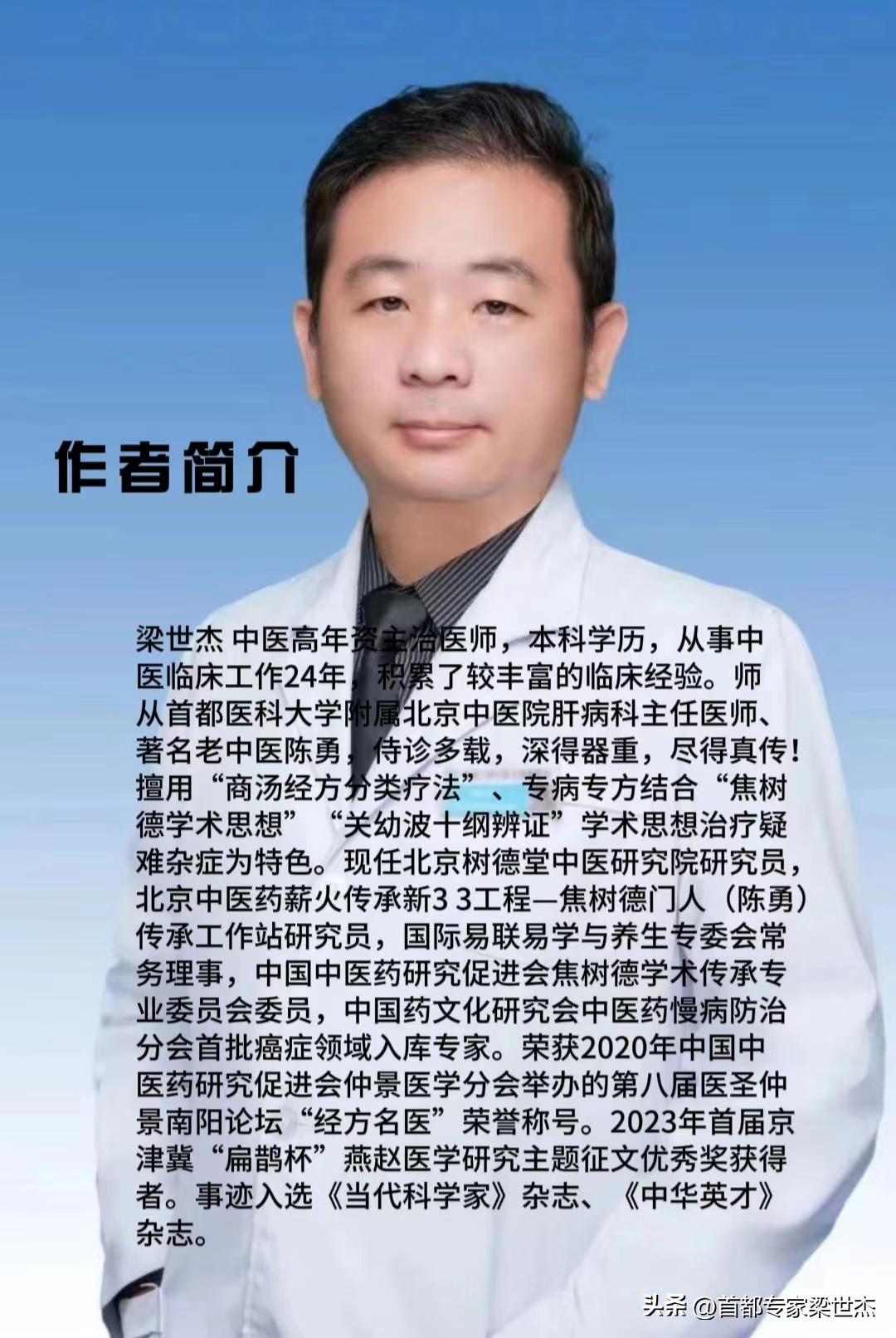
作者簡介:梁世傑 中醫高年資主治醫師,本科學歷,從事中醫臨牀工作24年,積累了較豐富的臨牀經驗。師從首都醫科大學附屬北京中醫院肝病科主任醫師、著名老中醫陳勇,侍診多載,深得器重,盡得真傳!擅用“商湯經方分類療法”、專病專方結合“焦樹德學術思想”“關幼波十綱辨證”學術思想治療疑難雜症爲特色。現任北京樹德堂中醫研究院研究員,北京中醫藥薪火傳承新3+3工程—焦樹德門人(陳勇)傳承工作站研究員,國際易聯易學與養生專委會常務理事,中國中醫藥研究促進會焦樹德學術傳承專業委員會委員,中國藥文化研究會中醫藥慢病防治分會首批癌症領域入庫專家。榮獲2020年中國中醫藥研究促進會仲景醫學分會舉辦的第八屆醫聖仲景南陽論壇“經方名醫”榮譽稱號。2023年首屆京津冀“扁鵲杯”燕趙醫學研究主題徵文優秀獎獲得者。事蹟入選《當代科學家》雜誌、《中華英才》雜誌。
The battle between academics and folk traditional Chinese medicine: Who is the true "master of medicine"?
In this vast and mysterious field of traditional Chinese medicine, the "showdown" between academics and folks is like a sword battle in a mountains, each with their own tactics and their own fans. I often hear people saying: why is it that in some places, academic Chinese medicine cannot be compared to folk medicine? This is like a wonderful martial arts convention, and there are many ways behind it.
Academy: Professional "high-school" and unpopular in the cloud
Academic traditional Chinese medicine, but it is a professional background, like martial arts in the noble straight, has a deep theoretical foundation and the body of knowledge. They were like a group of wise men standing at the top of academic circles, filled with high-level theories of yin and yang, meridians, blood, and prescriptions. Professional teachers, it is a professional "disease," which is commonly known as the occupational disease.
In the classroom, these teachers raised their hands to their feet and pointed out to Jiangshan, and the gesture seemed to control the entire Chinese medicine universe. But when he opened his mouth, it was like teaching a traditional Chinese medicine theory in a foggy cloud, and the public was confused. Like a martial arts master, on the podium, he displayed a world-class martial arts exercise with beautiful movements and great power, but the people below did not understand the strength of the exercise, but felt in a cloud and could not grasp the truth.
I once heard a lecture given by an academic TCM specialist, in which he talked about the notion of "liver controlling conveyance and dispersion." He spoke about the physiological function of the liver to the operation of the qi and blood, from the operation of qi and blood to the regulation of mood, from the regulation to the interrelationship between the internal and external organs, and finally cited a large number of ancient texts. The audience, mostly ordinary people, stared and opened their mouths without knowing what the expert was really talking about. It''s like giving a high-level foreign language course to someone who has never learned a foreign language, but no matter how wonderful it is, they can''t understand it.
Statistics show that in some grassroots traditional Chinese medicine clinical practices, the number of consultations by college Chinese medicine practitioners tends to be much lower than that by folk medicine practitioner. Take one community clinic, for example. The stall where the college sent Chinese medicine was empty, and only a few people came for consultation an hour. Long lines formed in front of traditional Chinese medicine stalls, and dozens of people could come for consultations an hour. This contrast, like the score in a game, is immediately apparent.
Folks: a groundbreaking "grass man," with real rules in the ground
The folk medicine school, like the Hermit master in Wulin, does not have the same aura as the academy, but has deep folk heritage and rich practical experience. They are like a bunch of farmers rooted in the land, real and grounded.
Most folk medicine practitioners come from the people of China. They learn Chinese medicine from a young age following their elders, and they constantly explore and summarize in practice. They don''t have the advanced theories, but they have a unique set of diagnostics and treatments. They see a patient like an old farmer growing a field, and with years of experience and intuition, they can see at a glance what the patient''s problem is.
A friend of mine once had a strange illness. He went to several major hospitals, saw a lot of academic Chinese medicine, and took a lot more medicine, but he never got better. Later, he was introduced to a folk practitioner of Chinese medicine. The Chinese medicine practitioner only gave him a pulse, looked at his tongue, and accurately explained the cause of his illness. He also gave him another simple Chinese medicine recipe. My friend took the pills half-convinced that within a few days he would be all right. It''s like a lost man who gets a complicated map from an academy and can''t find his way. With the folks, however, they were given a simple direction and immediately found the way out.
The credibility of folk medicine practitioners is also reflected in their fees. College Chinese medicine practitioners often sit in regular hospitals or clinics and pay relatively high fees. Most folk medicine practitioners practice medicine in the countryside, and the fees are relatively affordable. Like going to a restaurant to eat, the "restaurants" of the Academy of Chinese Medicine are high-end hotels with elaborate dishes and expensive prices. The "restaurants" of folk medicine are small restaurants with home-cooked dishes and affordable prices. For the ordinary people, it is certainly preferable to choose the cost-effective folk medicine.
The solution to a breakdown: College teachers learn "ground tight" kung fu
The academic practice of Chinese medicine cannot do the folk practice of Chinese Medicine. This is not to say that the academic practice is useless. The Academy of Chinese Medicine has a solid theoretical foundation and a rigorous scientific attitude, which is their advantage. But to succeed in the field of traditional Chinese medicine, they must learn the "ground-shaking" technique of folk medicine.
College practitioners of Chinese medicine can go out of campus and into the people''s communities to make more contact with the people and understand their needs and confusion. Like a martial arts master, he cannot only be satisfied with practicing in the mountains, but he must also go down to wander the mountains and accumulate real-world experience. They can express those deep theories in plain language so that the people can understand them and use them.
At the same time, academic Chinese medicine can also draw on the practical experience of folk Chinese medicine to combine theory with practice. Like a chef, you cannot only understand the theory of cooking, but also learn the practical cooking skills to make delicious and delicious dishes. College traditional Chinese medicine can continuously enrich its own methods of diagnosis and treatment and improve its clinical level through communication and cooperation with folk traditional Chinese Medicine.
Traditional Chinese Medicine: Together to Build the Dream of a "Medical Forest to a Wonderful World"
Whether the traditional Chinese medicine is academic or folk medicine, it is an important force in the inheritance of Chinese medicine. They are like the two banks of the great river of Chinese medicine, interdependent and mutually reinforcing. College-based traditional Chinese medicine provides theoretical support and talent guarantee for the development of traditional Chinese Medicine, and folk-based ones retain practical experience and folk wisdom for the inheritance of traditional medicine.
In this day and age, traditional Chinese medicine faces unprecedented opportunities and challenges. We need both academic practitioners of Chinese medicine to use scientific thinking and methods to study and develop Chinese medicine, and folk practitioners to use their practical experience to enrich Chinese medicine and pass on Chinese medicine. Only academics and folks can work together to make the brilliant pearl of traditional Chinese medicine shine even brighter in the new era.
Like a wonderful martial arts event, academics and folks are the main characters, each performing their own tricks and jointly depicting the legend of Chinese medicine. Let us hope that in the days ahead, academics and folks can abandon stereotypes, learn from each other, and jointly create a "healing society" of traditional Chinese medicine. Let the wisdom of traditional Chinese medicine reach more people and let the culture of traditional medicine shine on the world stage! This is the common dream and mission of each and every one of us Chinese medicine practitioners!
Author Bio: Liang Shijie is a senior medical practitioner in traditional Chinese medicine with an undergraduate degree. He has been engaged in traditional medicine clinical work for 24 years and has accumulated a wealth of clinical experience. Following Chen Yong, chief physician of liver disease at Beijing Traditional Medicine Hospital, affiliated with Capital Medical University, and renowned old Chinese medicine, he has been treated for many years and received great attention. He specializes in the treatment of difficult diseases using "conversational traditional therapy" and special treatments combined with the academic ideas of Jiao Shude and Guan Yubo''s ten-level diagnosis.He is currently a researcher at the Shude Tang TCM Research Institute in Beijing, a fellow at the new 3 + 3 project of traditional Chinese medicine flame inheritance in Beijing - a scholar at the inheritance workstation of Jiao Shude''s protégés (Chen Yong),He is a standing committee member of the International Expert Committee on E-learning and Health Care, a member of the Jiao Shude Academic Heritage Special Committee of the Chinese Association for the Advancement of Chinese Medicine Research, and the first cancer specialist to be included in the chapter of the Chinese Pharmaceutical Culture Research Association. Won the 2020 China Association for the Promotion of Traditional Chinese Medicine Zhongjing Medical Branch held the eighth session of the Medical Saint Zhongjing Nanyang Forum "Classic Prescription Famous Doctor" honorary title. The winner of the first Beijing-Tianjin-Hebei "Pingui Cup" Yanzhao Medical Research Essay Award in 2023. His work was featured in the journal Current Scientist and the journal Chinese Talent.