丙午年的血壓“過山車”:當古老曆法撞上現代人的血管
你有沒有發現,最近家裏的血壓計像中了邪?
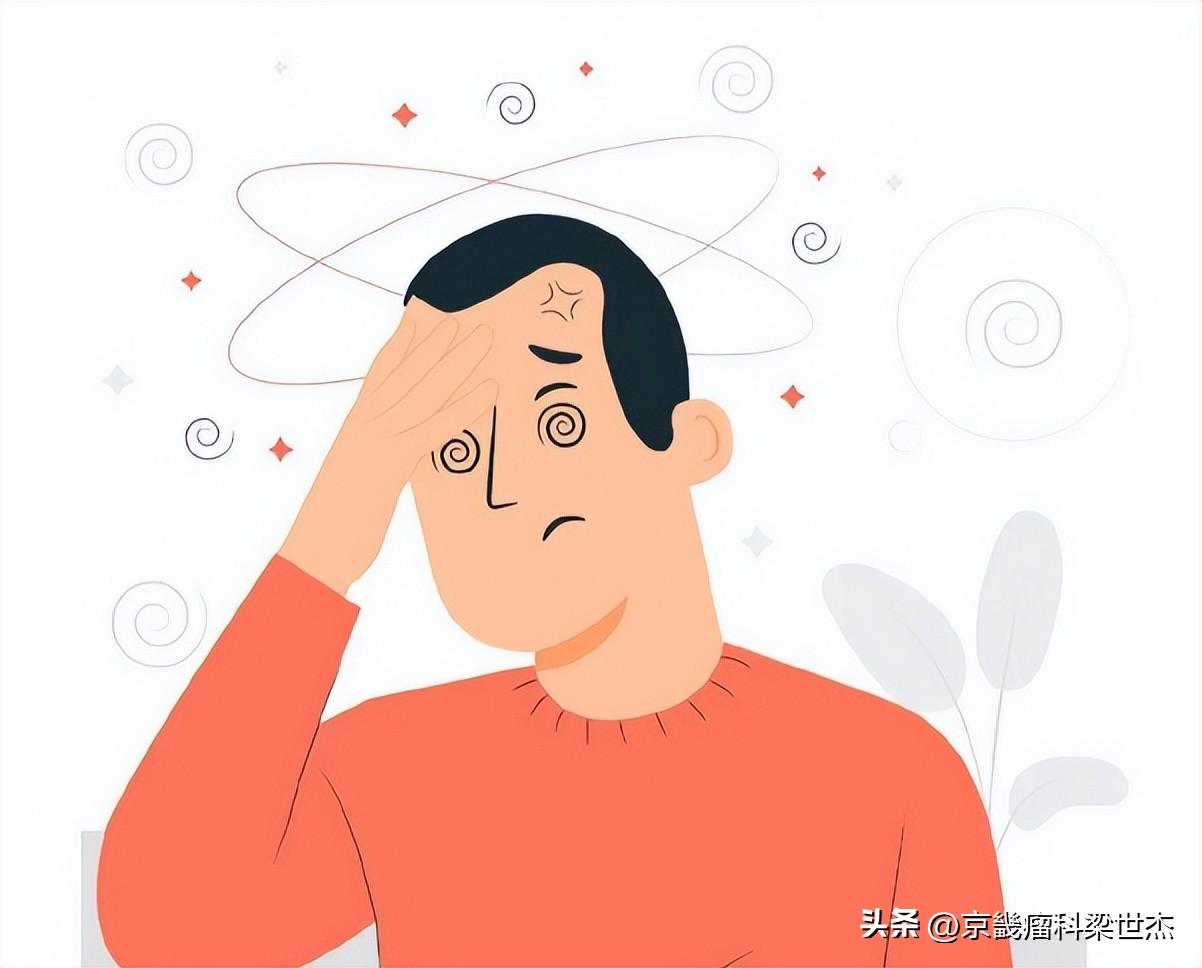
上週還穩穩停在125/80,這兩天忽而竄到158,忽而跌回105。藥盒裏的降壓片還是那個牌子那個劑量,身體卻像換了個人似的——頭昏腦漲、後頸發緊、心裏莫名煩躁。
這不是你一個人的困惑。
2026年,農曆丙午年,立春剛過,一場關於血壓的“無聲戰爭”已經悄然打響。而這場戰爭的根源,要追溯到三千年前古人留下的一套精密算法——五運六氣。
一、冰與火之歌:丙午年的“氣運密碼”
什麼是丙午年?
在中醫五運六氣的座標系裏,天干“丙”屬陽水,意味着全年水運太過,寒氣偏盛;地支“午”代表少陰君火司天,主管上半年的氣候。
簡單來說,2026年就是一場“冰與火的博弈”——天上的君火想升溫,地下的寒水偏要製冷。二者激烈對抗,形成所謂的“水火相搏”或“天刑之年”。
翻譯成人話:今年的氣候會特別“作妖”。該暖的時候可能突然降溫,該冷的時候也許反常回暖,氣溫像坐過山車一樣劇烈波動。
而這種“寒熱錯雜”的天地之氣,打在人體身上,第一個遭殃的就是——心腦血管系統。
《黃帝內經》早就警告過:“歲水太過,寒氣流行,邪害心火。”水運太過之年,寒邪會直接攻擊心臟。少陰君火司天,又容易讓心火亢盛於上。結果就是:上頭火氣騰騰,下面寒凝血脈——心腎不交,血壓焉能不波?
二、數據背後的真相:血壓的季節性“叛亂”
如果你覺得“五運六氣”太玄,那我們來看一組硬核數據。
2023年發表在《高血壓研究》期刊上的一項研究,對1054名未治療的高血壓患者進行了監測,結果發現:夜間血壓存在顯著的季節性差異——夏季夜間血壓最高(117.0/75.3 mmHg),冬季反而最低(111.4/71.1 mmHg)。
這意味着什麼?很多人以爲冬天血壓高,夏天血壓低,其實沒那麼簡單。研究進一步指出,夏季夜間血壓與腎功能損傷的相關性更強,提示夏季的血壓波動同樣不容忽視。
再看另一組數據:2018年美國心臟病學會上公佈的一項研究顯示,當24小時內氣溫波動超過10℃時,心肌梗死風險顯著增加。溫差每增加5°C,心梗風險升高約5%;溫差超過15℃時,心梗事件增加11.1%。
而丙午年的春天,恰恰是“溫差遊戲”的高手——初之氣(1月20日—3月20日)客氣太陽寒水加臨主氣厥陰風木,“春行冬令”,倒春寒嚴重。前兩天還春風和煦,明天就可能寒風刺骨。
血管不是鋼管,它有彈性,但也怕折騰。忽冷忽熱之間,血管反覆收縮舒張,血壓調節機制疲於奔命。對血管彈性本已下降的中老年人來說,這不是“過山車”,是“跳樓機”。
三、爲什麼春天偏偏盯上你的血壓?
中醫講“春應於肝”。春天是肝氣生髮的季節,就像樹木抽枝發芽,人體的陽氣也向外向上走。
這本是好事。
但丙午年的春天,寒水之氣壓着這股生髮之力,就像給剛冒頭的嫩芽蓋了一層冰霜——肝氣想發發不出去,鬱而化火,肝火上炎,直接推高血壓。
症狀是什麼?頭昏腦漲、面紅目赤、後頸發緊、口苦心煩、失眠易怒。你是不是最近看誰都不順眼?別急着怪老公孩子,先測個血壓。
還有更隱蔽的“幫兇”——過敏。
春季花粉濃度是其他季節的5~8倍。當過敏體質的人接觸花粉,免疫系統過度反應,血管內皮細胞受損,通透性增加,血壓調控難度直線上升。研究顯示,過敏人羣在春季血壓上升的幾率增加40%。
再加上春季乾燥,人體水分消耗大,血液粘稠度增高;春困導致作息紊亂,白天昏睡、夜間失眠,形成“嗜睡—失眠—血壓不穩”的惡性循環。
你看,血壓的“春季叛亂”,不是偶然,是多方合謀。
四、穩住血壓:古老智慧給出的“三板斧”
面對這場“天地人”三方夾擊的血壓戰役,我們能做什麼?
第一板斧:勤測——掌握敵情
老張頭的故事值得警醒:血壓忽高忽低,自己加藥,結果頭暈摔倒,送醫查出低血壓。
春季血壓波動,最忌諱“憑感覺調藥”。
建議早晚各測一次血壓,記錄數據。當發現收縮壓波動超過20mmHg,或連續三天血壓異常,及時諮詢醫生,必要時佩戴24小時動態血壓監測。
知己知彼,才能百戰不殆。測血壓不是完成任務,是給自己的身體畫“情報圖”。
第二板斧:春捂——守住防線
“春捂秋凍”四個字,今年格外重要。
丙午年初春寒溼重,一定要“捂”到清明前後。重點捂三個部位:
· 頸部:圍巾必備。頸動脈是腦血管的“入口”,受冷痙攣可直接導致腦缺血。
· 腰腹:核心溫度。腰爲腎之府,腹部是脾胃所在,寒從內生,百病由起。
· 下肢:腳踝別露。尤其糖尿病患者,足部神經感覺遲鈍,更要注意保暖。
什麼時候可以減衣?日均氣溫連續3天≥15℃,且晝夜溫差<8℃。在此之前,忍一忍,別急着露腳踝。
第三板斧:調養——內外兼修
飲食方面:唐代藥王孫思邈說:“春日宜省酸,增甘,以養脾氣。”酸味收斂,不利於肝氣生髮;甘味入脾,能增強脾胃功能。
今年春天,多喫山藥、紅棗、小米、南瓜等甘溫健脾之物。應季的豆芽、春筍、薺菜,最得生髮之氣。降壓茶飲推薦菊槐茶(菊花5g、槐花3g、決明子10g),清肝明目。
少喫山楂、檸檬等酸澀之物,忌口生冷油膩。今年水運太過,全年都要適度減少鹽攝入,以防水盛傷腎。
穴位方面:兩個穴位是“降壓開關”:
· 太沖穴(足背第一、二蹠骨結合部前凹陷處):肝經原穴,每天按壓3分鐘,疏肝解鬱,平降肝火。
· 足三里(外膝眼下四橫指):胃經要穴,揉按可強健脾胃,培補後天。
情志方面:肝喜條達惡抑鬱。今年氣運複雜,人更容易煩躁或抑鬱。多去郊外踏青,看看綠色,這是天然的“疏肝藥”。少生氣,少指責,多讚美——不是雞湯,是保命。
五、最後一句大實話
丙午年,水火相搏,寒熱交鋒。
天地之氣我們改不了,但身體這道防線,我們能守。
勤測常觀,不是讓你焦慮,是讓你清醒。春捂調養,不是讓你緊張,是讓你從容。
最後提醒一句:如果出現頻繁犯困(但睡不醒)、肢體麻木、言語不清、視物模糊,別當成“春困”糊弄過去——那是大腦在喊救命。
穩住血壓,安穩度春。
你的血管,值得溫柔以待。
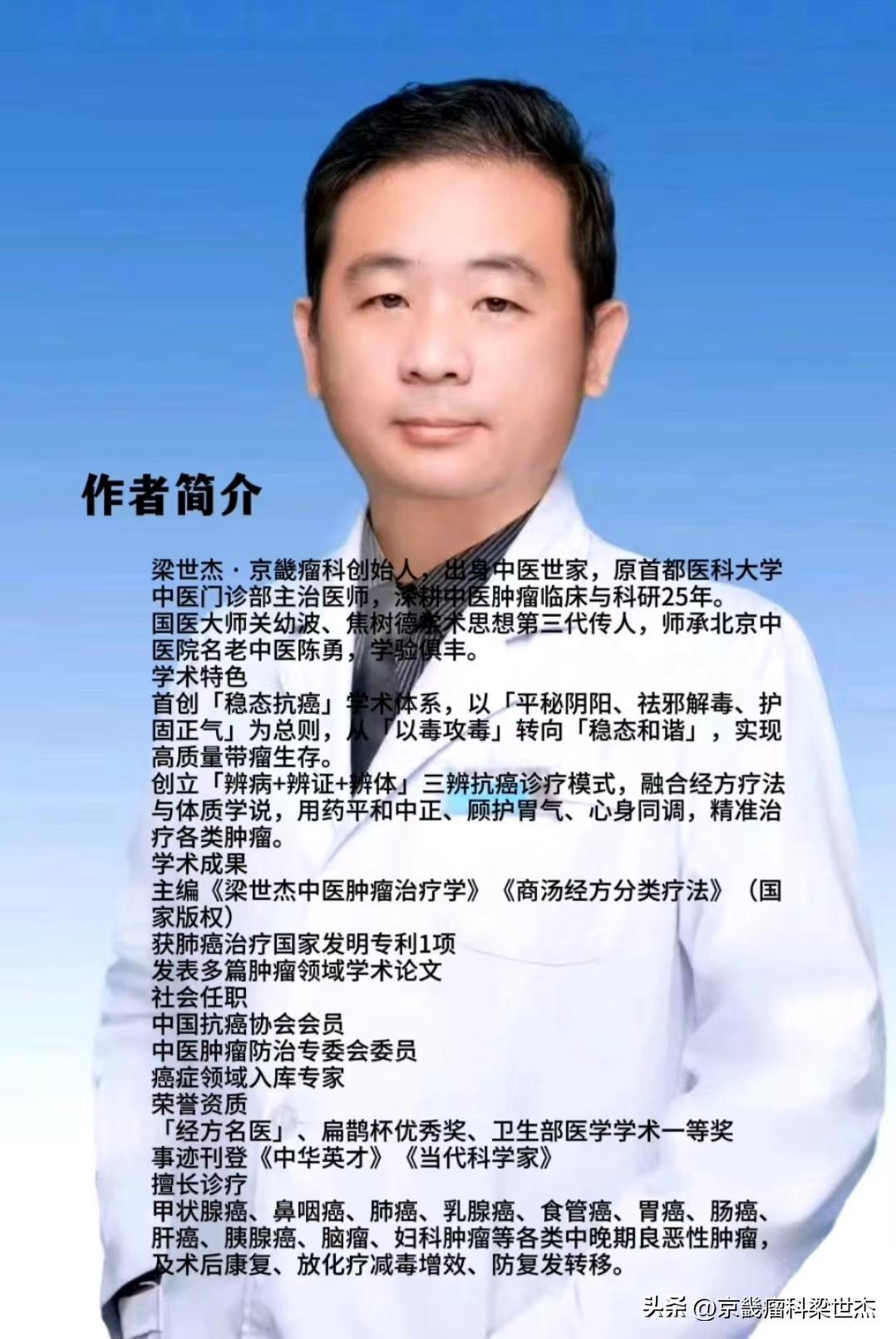
作者簡介:梁世傑,京畿瘤科創始人,出身中醫世家,原首都醫科大學中醫門診部主治醫師,畢業於河北醫科大學,深耕中醫腫瘤臨牀與科研25年。爲國醫大師、肝病泰斗關幼波,風溼病泰斗焦樹德學術思想第三代傳人,師承首都醫科大學附屬北京中醫院肝病科知名老中醫陳勇,侍診研習多年,盡得真傳,學驗俱豐。
一、學術思想與診療特色
作爲中醫腫瘤領域體系化創新學者,首創“穩態抗癌”核心學術體系,提出從“以毒攻毒”向“穩態和諧”範式轉型,以“平祕陰陽、祛邪解毒、護固正氣”爲治療總則,立足《黃帝內經》“正氣存內”理念,明確腫瘤爲全身失衡的局部顯現,通過調理臟腑氣血、改善“癌狀態”體質、切斷腫瘤微環境,實現高質量帶瘤生存,爲中晚期腫瘤治療確立“以人爲本、生命優先”的價值導向。
臨牀構建“辨病+辨證+辨體”三辨精準診療模式,融合抗癌專病專方與“商湯經方分類療法”、關幼波十綱辨證與焦樹德學術思想,創新“易學中醫辯證哲學思維模式”及象數五行體質應用;用藥恪守平和中正、攻補兼施、顧護胃氣原則,堅持全週期協同治療、心身同調,實現個體化、低損傷、長獲益的腫瘤診療目標。
二、學術與科研成果
主編專著:《梁世傑中醫腫瘤治療學》《商湯經方分類療法》,均獲國家版權登記;
發明專利:“三花五子六白散”治療肺癌國家發明專利1項;
學術論文:發表《古方青龍丸治療中晚期肺癌20例》等多篇腫瘤領域高價值學術論文。
三、學術任職
中國抗癌協會會員
衛生部中國醫促會中醫腫瘤防治專委會委員
中國藥文化研究會中醫藥慢病防治分會首批癌症領域入庫專家
四、榮譽與影響力
先後榮獲第八屆醫聖仲景南陽論壇“經方名醫”、首屆京津冀“扁鵲杯”燕趙醫學徵文優秀獎、衛生部全國醫學學術一等獎。學術事蹟榮登《中華英才》《當代科學家》等權威期刊,是國內中醫腫瘤領域理論體系完整、學術特色鮮明、臨牀療效確切的實力派專家。
五、擅長診療範圍
甲狀腺癌、鼻咽癌、肺癌、肺結節、乳腺癌、食管癌、胃癌、萎縮性胃炎、腸化生、腸癌、肝癌、胰腺癌、腎癌、膀胱癌、前列腺癌、淋巴瘤、腦瘤、宮頸癌、卵巢癌等各類中晚期良惡性腫瘤,及術後康復、放化療減毒增效、防復發轉移等疑難病症。
The ''roller coaster'' of blood pressure in January: When the ancient calendar hit the veins of modern people
Have you ever noticed that your blood pressure monitor in your home was poisoned recently?
Last week, it was still steady at 125 / 80, but in these two days it has soared to 158 and has fallen back to 105. The blood pressure pill in the box was the same dosage as the one from the same brand, but the body looked like a different person - dizzy, the back neck tightened, and the mind was irritable.
It''s not your confusion alone.
In 2026, the year of the third lunar year, just after spring, a "silent war" over blood pressure has quietly begun. The roots of this war trace back to a sophisticated set of algorithms left behind by the ancients three thousand years ago - five luck and six luck.
I. The Song of Ice and Fire: The ''Code of Air'' of the Year ''Decade''
What is the Year of the Holy Month?
In the coordinate system of Chinese medicine, five luck and six qi, the dry day "c" is masculine water, which means that the water is too much throughout the year and the cold is too strong. The meridian ''no'' represents the young yin king, feng shui, and is responsible for the climate in the first half of the year.
In short, 2026 is a "game between ice and fire" - the majestic fire in the sky wants to heat up, and the cold water in the ground wants to be cooled. The two fought fiercely, forming what became known as the "waters and fires" or "year of execution."
Translation into adult language: This year''s climate will be particularly "witchy." When it''s time for warmth, it may suddenly cool down, when it''s cold, and temperatures fluctuate wildly like roller coasters.
When this "cold and hot" air from the earth and the earth hits the human body, the first one to suffer is the cardiovascular system.
The Huangdi Yin scripture has long warned that "the age water is too great, the cold is endemic, and the evil harms the heart." When the water is too long, the cold will directly attack the heart. The young yinjun is a fierce king, and easily causes heart fire to rise above. The result is: there is a lot of anger at the top, cold blood clots below - the heart and kidneys don''t communicate, so how can blood pressure stay low?
2. The truth behind the data: the seasonal "revolt" of blood pressure
If you think that "five or six chances" is too cryptic, let''s take a look at a hard core set of data.
A study published in the journal Hypertension Research in 2023 monitored 1,054 patients with untreated high blood pressure, The results showed that there were significant seasonal differences in nocturnal blood pressure, the highest in summer (117.0 / 75.3 mmHg) and the lowest in winter (111.4 / 71.1 mmHg).
What does that mean? Many people think that blood pressure is high in winter and low in summer, but it is not that simple. The study further noted that nighttime blood pressure in summer was more strongly associated with kidney impairment, suggesting that blood pressure fluctuations in summer should not be overlooked.
Look at another set of data: a 2018 study presented at the American College of Cardiology showed that the risk of myocardial infarction increased significantly when temperatures fluctuated more than 10 ° C over a 24-hour period.For every 5 ° C increase in temperature difference, the risk of myocardial infarction increased by about 5%.Heart attacks increased by 11.1 percent when temperature differences exceeded 15 ° C.
And the spring of the year January 20, is precisely the master of the "temperature game" - the first qi (January 20 - March 20) polite sun and cold water combined with a seizure and a shade of wind, "spring travels and winter months," which is severe in the fall. The last two days had a warm spring wind, and tomorrow could be a bitter cold wind.
A blood vessel is not a steel tube. It''s elastic, but it''s afraid of twisting. Between cold and heat, the blood vessels contract and dilate repeatedly, and the blood pressure regulation mechanism is exhausted. For middle-aged and elderly people whose vascular elasticity is already declining, this is not a "roller coaster," it is a "jumping machine."
Why does spring focus on your blood pressure?
Traditional Chinese medicine says that "spring should be in the liver." Spring is the season when the liver qi is growing, just as the trees sprout, so the body''s yang is also moving outward.
That would have been a good thing.
But in the spring of the thirtieth year, the cold water pressed the force of the hair, like a layer of frost on the newly growing buds - the liver gas could not get out, and the fever turned to inflammation, which directly pushed up blood pressure.
What are the symptoms? Headache, redness, tightness in the back of the neck, irritability, insomnia and irritability. Have you been unhappy with anyone lately? Instead of blaming your husband and child, get your blood pressure tested first.
There is a more hidden "helper" - allergies.
Spring pollen concentrations are 5 to 8 times higher than in other seasons. When people with allergies are exposed to pollen, the immune system overreacts, the endothelial cells of the blood vessels are damaged, the permeability increases, and the difficulty of blood pressure regulation escalates. Research shows that people with allergies are 40 per cent more likely to have a higher blood pressure in the spring.
In addition to the dry spring, the human body consumes a lot of water and the blood viscosity increases; Spring drowsiness leads to a disturbed routine, slumber during the day and insomnia at night, forming a vicious cycle of "sleepiness-insomnia-fluid blood pressure."
You see, the "spring rebellion" of blood pressure was not accidental; it was a concerted effort.
IV. Stabilizing Blood Pressure: The "three plates of axe" given by ancient wisdom
What can we do in the face of this blood pressure battle between the "heavens and the earth" and the "people of the land."
The first board ax: Measure the enemy carefully - master the enemy
The old story of Zhang''s head is worth a reminder: his blood pressure went up and down, he took his own medicine, and he fell dizzily, and went to the doctor to have low blood pressure.
In the spring, blood pressure fluctuates, and it is most avoided to "adjust medicine by feeling."
It is recommended to test your blood pressure once morning and evening and record your data. When the systolic blood pressure fluctuates more than 20 mmHg, or abnormal blood pressure for three consecutive days, consult a doctor in time and wear a 24-hour dynamic blood pressure monitor if necessary.
Knowing one''s self and knowing another''s will ensure that a hundred battles are fought without failure. Measuring blood pressure is not a task, it is a "intelligence picture" of your body.
The second axe: Cover the Spring - Keep the Line of Defense
The words "protect the spring and freeze the autumn" are particularly important this year.
Early in the January afternoon, the spring is cold and wet, and must be "covered" until around Qingming. Cover three areas in particular:
· Neck: A scarf is a must.The carotid artery is the "inlet" of blood vessels in the brain, and cold spasm can directly cause ischemic disorders of the brain.
· Low back: core temperature.The waist is the house of the kidney, the abdomen is the seat of the spleen and stomach, and cold comes from the inside, and a hundred diseases are caused.
· Lower Limbs: Keep your ankles out.Especially for diabetics, the nerves in the foot feel sluggish and they must pay more attention to staying warm.
When can I cut my clothes?The average daily temperature is ≥ 15 ° C for 3 consecutive days, and the temperature difference between day and night is < 8 ° C.Until then, take a moment and don''t rush to show your ankles.
Third board axe: Maintenance - Internal and external repair
In terms of diet: Sun Simian, a Tang Dynasty pharmaceutical king, said: "In spring, it is advisable to drain acid and increase glycine to maintain your temper." The acidic taste is tempered, which is not conducive to the development of liver qi; Sweet taste enters the spleen and can enhance spleen and stomach function.
This spring, eat more yams, red dates, millet, pumpkin and other foods that are warm and strong for the spleen.Bean sprouts, spring straws, and薺菜 in season are the most vigorous.Antihypertensive tea recommended chrysanthemum huai tea (chrysanthemum 5g, Sophora japonica 3g, cassia 10g), clear liver and clear eyes.
Eat fewer sour things like hawthorns, lemons, and avoid cold and greasy foods. This year, the water transportation was too excessive, and we must reduce salt intake moderately throughout the year to waterproof the kidney.
In terms of acupuncture: The two acupuncture are "pressure lowering switches":
· Taichong Cave (the anterior depression in the joint of the first and second temporal bones of the back of the foot): The liver meridian, pressed for 3 minutes daily to soothe the liver and alleviate depression and reduce liver fire.
· Three feet (four cross fingers at the outer knee): The meridian of the stomach, rubbing it can strengthen the spleen and strengthen the rest of the day.
Relationship: Hepatitis is depressed. This year, the fortunes are complicated, and people are more likely to be irritable or depressed. Go out in the suburbs and see the green, which is a natural "liver killer." Be less angry, blame less, praise more - not chicken soup, save your life.
V. The Last Big Truth
In the year of the third year, water and fire collided, and cold and heat clashed.
The heavens and the earth cannot be changed, but this line of defense of our body can be maintained.
Being diligent about common sense does not make you anxious, it makes you sober. Spring dressing does not make you nervous, it makes you relaxed.
Finally, if you experience frequent sleepiness (but not sleeping), numbness, slurred speech, and blurred vision, don''t fool yourself into a "spring sleep" - it''s the brain calling for help.
Keep your blood pressure steady and get through spring.
Your veins deserve gentle treatment.
Author profile: Liang Shi-jie, the founder of the Jingyi Tumor Clinic, hails from a family of traditional Chinese medicine practitioners. He was a chief physician at the Traditional Chinese Medicine Outpatient Clinic of the former Capital Medical University. He graduated from Hebei Medical University and has devoted 25 years to clinical practice and research in traditional Chinese medicine oncology. He is the third generation of the academic lineage of Guan You-bo, a master of traditional Chinese medicine and a renowned expert in liver diseases, and Jia Shu-de, a master of rheumatology. He studied under Chen Yong, a well-known elderly traditional Chinese medicine practitioner in the liver disease department of Beijing Traditional Chinese Medicine Hospital affiliated to the Capital Medical University. He has gained extensive knowledge and experience through many years of study and practice.
I. Academic Thought and Diagnostic/Therapeutic Specialties
As a scholar specializing in systematized innovation in the field of traditional Chinese medicine oncology, I pioneered the core academic system of “steady state anti-cancer.” I proposed a transition from the paradigm of “using poison to counter poison” to “steady state harmony,” with the general principles of “balancing Yin and Yang, eliminating evil and detoxifying, and protecting and reinforcing healthy qi.” Grounded in the concept of “healthy qi resides within” from the Huangdi Neijing, I clarified that tumors are localized manifestations of overall imbalance. By regulating the qi and blood of internal organs, improving the “cancer state” constitution, and disrupting the microenvironment of tumors, we can achieve high-quality survival with a tumor present, thereby establishing a value orientation of “people-centeredness and prioritizing life” for the treatment of advanced and late-stage tumors.
Clinical construction of the “diagnosis + syndrome differentiation + constitution identification” three-step precise diagnosis and treatment model, integration of cancer-specific treatments and “Shang Tang classic prescription classification therapy,” Guan Youbo’s ten-category syndrome differentiation method, and Jiao Shude’s academic thoughts, innovation of the “easy-to-learn traditional Chinese medicine dialectical philosophical thinking mode” and the application of symbolic number and five-element constitution; adhering to the principles of moderation and balance, combining attack and supplementation, and protecting the stomach qi, maintaining comprehensive and coordinated treatment throughout the entire cycle, balancing mind and body, and achieving personalized, low-injury, and long-term benefits in cancer diagnosis and treatment.
II. Scholarly and Research Achievements
Co-authored monographs: “Liang Shi-jie’s Traditional Chinese Medicine for Cancer Treatment” and “Shang Tang’s Classification Therapy Based on Classical Prescriptions”; both have been registered for national copyright protection.
Patent for invention: One national patent for the invention of “Sanhua Wu Zi Li Bai San” for the treatment of lung cancer.
Academic Papers: Published numerous high-value academic papers in the field of oncology, including “The Treatment of 20 Cases of Advanced-Stage Lung Cancer with Ancient Formula Qinglong Pill.”
III. Academic Positions
Member of the Chinese Cancer Association.
Member, Expert Committee on Traditional Chinese Medicine Cancer Prevention and Treatment, China Medical Promotion Association, Ministry of Health.
First-batch cancer-related experts inducted into the Chinese Traditional Medicine Prevention and Treatment of Chronic Diseases Branch of the Chinese Pharmaceutical Culture Research Association.
IV. Recognition and Influence
He has been awarded the title of “Expert in Traditional Medicine” at the Eighth Symposium of the Medicine Saint Zhongniang of Nanyang, the Outstanding Award for Medical Writing at the First Beijing-Tianjin-Hebei “Bian Que Cup” Symposium on Yan-Zhao Medicine, and the First Prize for Medical Scholarship by the Ministry of Health. His academic achievements have been featured in prestigious journals such as “China’s Elite” and “Contemporary Scientists.” He is a highly respected expert in the field of traditional Chinese medicine oncology, known for his comprehensive theoretical framework, distinctive academic characteristics, and proven clinical efficacy.
V. Areas of Expertise
Thyroid cancer, nasopharyngeal cancer, lung cancer, pulmonary nodules, breast cancer, esophageal cancer, gastric cancer, atrophic gastritis, intestinal metaplasia, intestinal cancer, liver cancer, pancreatic cancer, kidney cancer, bladder cancer, prostate cancer, lymphoma, brain tumors, cervical cancer, ovarian cancer, and other various advanced and late-stage benign and malignant tumors, as well as post-operative rehabilitation, radiation and chemotherapy to reduce toxicity and enhance efficacy, and prevention of recurrence and metastasis, among other complex conditions.