梁世傑:從田間藥罐到藥片時代,中醫藥爲何丟了老百姓的“首選票

動輒被冠以“四十萬億市場”的中醫藥健康產業,向來是理論中的香餑餑,卻成了現實裏的冷板凳。國家中醫藥管理局數據顯示,2024年全國中醫類診療量達16.6億人次,看似亮眼,可《中國醫療衛生髮展報告》2024年的14.2萬份調研問卷卻狠狠戳破泡沫:92.1%的民衆遇急性感染首選西醫,89.4%的重症治療完全依賴現代醫學,即便是中醫擅長的慢性病管理,也有68.3%的人選擇“西醫診斷+中醫調理”的折中方案。
一百個老百姓身體不適,鮮有幾人第一時間想起中醫。這份選擇的偏差,絕非民衆對傳統文化的背棄,而是中醫藥在時代狂奔中,親手弄丟了自己的“入場券”。從八十年代家家熬藥的全民共識,到如今西藥片兒一統天下的現實,中醫藥的式微,藏着比“文化斷層”更扎心的真相:自吹自擂的“簡驗便廉”,在快節奏時代裏不堪一擊;過分偏執的“一人一方”,讓中成藥劑型創新陷入死局;本該融入生活的中醫藥文化,也在繁瑣與守舊中,與民衆漸行漸遠。
一、簡驗便廉:喊了千年的金字招牌,敗給了“一分鐘的便捷”
“簡、驗、便、廉”,是中醫藥流傳千年的立身之本。《黃帝內經》言“上醫不治已病治未病”,強調的是簡便易行的養生智慧;《本草綱目》收錄千餘種草藥,多是田間地頭易得之品,彰顯的是普惠民生的初心。上世紀八十年代,農村大娘遇風寒,抓幾把生薑、蔥白熬水喝;工人師傅腰腿疼,找老中醫扎幾針、敷幾貼膏藥,無需複雜設備,不用高額花費,療效卻實實在在。彼時的中醫藥,是老百姓觸手可及的健康保障,這份“便捷”與“價廉”,讓其成爲全民首選。
可時代變了,中醫藥的“簡驗便廉”卻停在了原地,甚至成了“反諷”。如今的老百姓,上班族擠地鐵趕工期,農民兄弟忙耕種顧家事,誰還有時間爲了七八味草藥,在三十七八度的酷暑裏支起煤爐,守着藥罐熬上數小時?熬藥的過程,要泡、要煎、要濾,耗時費力不說,藥渣處理、氣味擴散都是麻煩;反觀西藥,一片阿司匹林、一針青黴素,一分鐘搞定,無需等待,無需折騰,效率高下立判。
更諷刺的是,中醫藥的“廉”也早已名不副實。人民網《中醫藥零售行業發展報告》顯示,中藥材從田間到終端,層層加價亂象叢生:連翹種植戶收購價38元/公斤,終端零售價竟飆升至215元,價差達4.7倍;黃芪因種植標準不一,有效成分含量差異超50%,消費者卻要爲“劣幣驅逐良幣”買單。而中醫院的服務定價,更是讓“廉”字變了味:無錫某中醫院鍼灸科,平均每次診療費用僅15元,全年收入竟不足以覆蓋科室運行成本,收支差額達-83.97萬元。一邊是民衆直呼“中藥喫不起”,一邊是中醫院中醫藥服務普遍虧損,這份價格的扭曲,讓中醫藥的普惠初心蕩然無存。
所謂“簡驗便廉”,本應是“方法簡單、療效確切、獲取方便、價格低廉”,可如今卻變成了“流程繁瑣、療效模糊、購買不易、價格虛高”。當中醫藥的便捷性遠不如西藥,性價比又毫無優勢,老百姓用腳投票,又有什麼可指責的?
二、一人一方:辨證論治的精髓,成了劑型創新的“緊箍咒”
中醫的靈魂是“辨證論治、一人一方”,這是其區別於西醫的核心優勢,也是其歷經千年而不衰的關鍵。《傷寒論》中370個處方,針對不同證型靈活加減,彰顯的是個體化治療的智慧;歷代名醫臨證,皆根據患者體質、病情、地域調整藥方,讓治療更精準。可凡事過猶不及,當中醫藥從業者將“一人一方”奉爲不可逾越的教條,偏執地忽視疾病的共性,這份精髓便成了中成藥劑型創新的“緊箍咒”。
疾病既有個體化的“特殊性”,也有羣體性的“共性”。感冒分風寒、風熱,但發熱、咳嗽、鼻塞是共同症狀;失眠有心脾兩虛、肝火旺盛之分,但入睡困難、多夢易醒是普遍表現。抓住這些共性,研發標準化的中成藥劑型,既不違背辨證論治的原則,又能滿足民衆快速用藥的需求,本是中醫藥現代化的必經之路。可現實卻是,中醫藥界對“標準化”諱莫如深,彷彿一談批量生產,就褻瀆了“一人一方”的神聖;一談劑型創新,就背離了傳統中醫的本質。
這種偏執,直接導致中成藥劑型的全面落後。據《人民週刊》調研,我國中醫醫院常用院內製劑僅20餘種,仍以丸、散、膏、丹等傳統劑型爲主,而北京市2000至2019年,中藥製劑品種從7000餘個銳減至620種,大量療效確切的製劑因工藝複雜、利潤低下被迫停產。反觀西藥,從片劑、膠囊到口服液、噴霧劑,劑型層出不窮,滿足不同人羣、不同場景的需求:兒童有果味咀嚼片,老人有緩釋膠囊,上班族有便攜泡騰片。對比之下,中醫藥的劑型還停留在“熬湯藥、喫丸藥”的階段,連最基礎的“便捷服用”都做不到,又怎能奢望民衆首選?
更值得反思的是,“一人一方”的個性化,本應是中醫藥的補充優勢,而非主流模式。在慢性病調理、疑難雜症治療中,個體化藥方無可替代;但在常見病、多發病的防治中,標準化中成藥纔是普惠之路。過分強調個性化,忽視共性需求,本質上是中醫藥的“自我設限”——就像手握一把精準的手術刀,卻非要用它來切菜,既浪費了優勢,又解決不了實際問題。
三、文化脫節:本該融入生活的智慧,成了高高在上的“古董”
中醫藥從來都不是單純的醫療技術,而是融入中華文化血脈的生活方式。端午掛艾草、佩香囊,是中醫“避疫養生”的文化表達;秋冬進補、春夏祛溼,是中醫“順應四時”的生活智慧;甚至家常菜中的生薑驅寒、紅棗補血,都是中醫藥文化的日常體現。這份文化認同,曾讓中醫藥深入民心,成爲民衆的生活習慣。
可如今,中醫藥文化卻與民衆的生活脫節,成了高高在上的“古董”。一方面,中醫藥的傳播還停留在“望聞問切”的專業說教,動輒講“陰陽五行”“經絡氣血”,晦澀難懂的理論讓普通民衆望而生畏;反觀西醫,用“病毒感染”“炎症反應”等通俗概念,搭配清晰的檢查報告,更易被民衆理解。另一方面,中醫藥的服務場景也愈發狹窄,中醫院多位於城市核心區域,基層中醫館佈局稀疏,78%的消費者坦言“爲買一味藥,跑遍半座城”;而西藥藥店遍佈社區、商超,24小時營業,觸手可及。
港澳地區的經驗,恰恰印證了文化融合與服務便捷的重要性。香港有1150家中藥零售店鋪,澳門中醫藥服務覆蓋全澳66萬居民,50%的香港市民過去一年使用過中醫服務,84%的人認可中成藥的療效。究其原因,港澳將中醫藥文化融入日常:公園中隨處可見練八段錦、太極的人羣,家庭裏習慣用金銀花、羅漢果熬涼茶,老字號藥鋪的銅臼搗藥聲,成了居民的“健康記憶”。中醫藥不再是“看病的手段”,而是“生活的方式”,這份融入,讓其牢牢抓住了民衆的信任。
反觀內地,中醫藥文化的傳播要麼流於形式化的“非遺展演”,要麼陷入商業化的“養生騙局”,既沒有走進社區,也沒有融入家庭。當老百姓對中醫藥的認知,僅停留在“老祖宗的東西”“慢郎中”,而非“日常養生的幫手”,選擇上的偏差,便成了必然。
四、破局之路:守初心而不守舊,融時代而不盲從
中醫藥的發展,從來都不是“與西醫對抗”,也不是“固守傳統不變”,而是要在“守正”與“創新”之間找到平衡,重新贏回老百姓的“首選票”。
首先,要讓“簡驗便廉”迴歸本質。簡化中醫藥的使用流程,推動中藥煎煮服務社會化,讓熬藥不再是民衆的負擔;規範中藥材流通渠道,打擊價格虛高、以次充好,讓中醫藥真正“價廉”;挖掘民間簡易療法,推廣穴位按摩、八段錦、食療方等無需專業設備的養生方式,讓中醫藥的“簡便”融入生活。
其次,要打破“一人一方”的偏執,推動中成藥劑型創新。立足疾病共性,研發滴丸、分散片、噴霧劑等現代劑型,兼顧便捷性與療效;保留個體化藥方的優勢,爲疑難雜症、慢性病患者提供定製服務,讓“標準化”與“個性化”相輔相成。同時,加大中成藥劑型的科研投入,改變目前“1.77%的中藥製劑有研究基礎”的尷尬現狀,用科學數據佐證療效,讓中成藥經得起檢驗。
最後,要讓中醫藥文化迴歸生活。摒棄晦澀難懂的專業說教,用通俗的語言、生動的案例傳播中醫藥知識;將中醫藥服務下沉到基層,在社區、鄉村設立中醫館,提供便捷的診療、養生服務;讓端午掛艾草、秋冬進補等傳統習俗重回民衆生活,讓中醫藥文化成爲全民的健康共識。
《本草綱目》有言:“醫之道,無他,惟用心耳。”中醫藥的發展,缺的不是宏大的產業規劃,不是炫目的理論口號,而是對民衆需求的用心體察,對時代變化的主動適應。唯有放下身段,走出“自我陶醉”的誤區,讓中醫藥變得更便捷、更有效、更親民,才能在健康中國的建設中,重新找回自己的位置,讓老百姓在身體不適時,第一時間想起的,還是那縷淡淡的藥香。
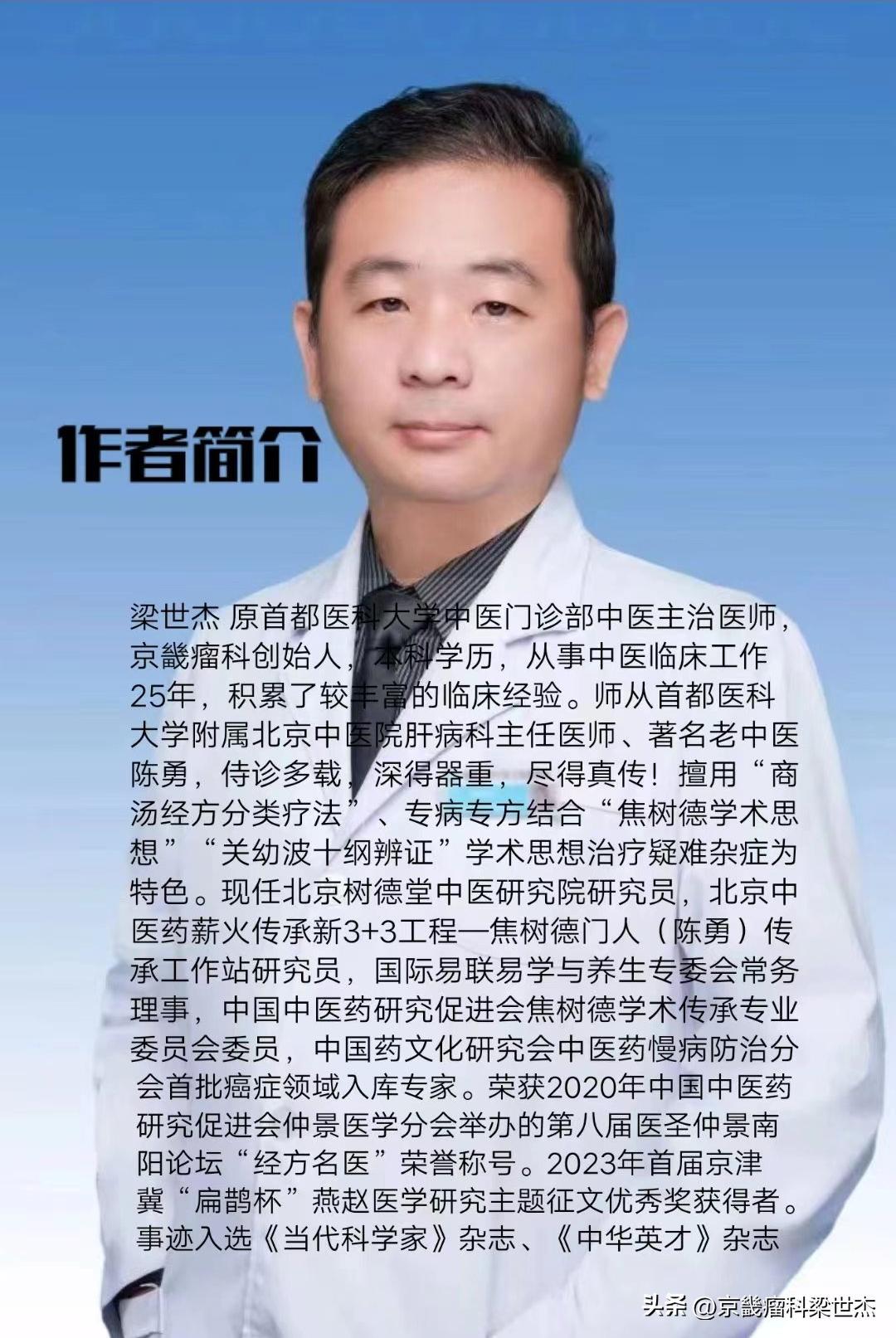
作者簡介:梁世傑 原首都醫科大學中醫門診部中醫主治醫師,京畿瘤科創始人,本科學歷,從事中醫臨牀工作25年,積累了較豐富的臨牀經驗。師從首都醫科大學附屬北京中醫院肝病科主任醫師、著名老中醫陳勇,侍診多載,深得器重,盡得真傳!擅用“商湯經方分類療法”、專病專方結合“焦樹德學術思想”“關幼波十綱辨證”學術思想治療疑難雜症爲特色。現任北京樹德堂中醫研究院研究員,北京中醫藥薪火傳承新3+3工程—焦樹德門人(陳勇)傳承工作站研究員,國際易聯易學與養生專委會常務理事,中國中醫藥研究促進會焦樹德學術傳承專業委員會委員,中國藥文化研究會中醫藥慢病防治分會首批癌症領域入庫專家。榮獲2020年中國中醫藥研究促進會仲景醫學分會舉辦的第八屆醫聖仲景南陽論壇“經方名醫”榮譽稱號。2023年首屆京津冀“扁鵲杯”燕趙醫學研究主題徵文優秀獎獲得者。事蹟入選《當代科學家》雜誌、《中華英才》雜誌。
Liang Shijie: From the era of field medicine jars to pills, why did Chinese medicine lose the "first vote" of the people?
Frequently known as the "40 trillion market" of traditional Chinese medicine health industry, has always been the theory of Xiangbobo, has become the reality of the bench. The State Administration of Traditional Chinese Medicine data show that in 2024 the number of Chinese medicine diagnosis and treatment of 1.66 billion people, seemingly dazzling, but "China''s medical and health development report" in 2024 142 thousand copies of research questionnaire but severely burst the bubble: 92.1% of the people in acute infection preferred western medicine, 89.4% of severe cases rely entirely on modern medicine, and even for chronic disease management, where traditional Chinese medicine excels, 68.3% choose a compromise between Western diagnosis and traditional Chinese remedies.
A hundred people were unwell, and few of them remembered Chinese medicine in the first place. The deviation of this choice is by no means a betrayal of traditional culture by the people, but rather that traditional Chinese medicine has lost its own "admission ticket" in the rush of the times. From the national consensus of people making medicine in the 1980s to the reality that Western pills dominate the world today, the decline of traditional Chinese medicine hides a more serious truth than "cultural faultlines": the boast of "simple testing and affordable treatment" is vulnerable in a fast-paced age. An overly paranoid "one-party" approach has plunged the innovation of proprietary pharmaceuticals into a dead end. The Chinese medicine culture, which is supposed to be integrated into life, is also gradually drifting away from the people in the midst of tedious and old-fashioned ways.
I. Simply test and cheap: Called the golden sign of a thousand years, lost to "one minute''s convenience."
"Cleanliness, testing, ease and corruption" are the foundations of traditional Chinese medicine for thousands of years. The Huangdi Yin scripture states that "the medical practitioner will not cure the already sick and cure the remaining sick," and emphasizes the simple and easy wisdom of healthy living. The Herbal Materia Medica contains more than a thousand herbal remedies, many of which are readily available in the fields, demonstrating the original intention of enhancing people''s well-being. In the 1980s, a rural woman was cold when she caught a handful of ginger and green onions and made them drink in water. The worker and technician had pain in his waist and leg. He asked the old Chinese medicine to insert a few stitches and apply a certain ointment. There was no need for complicated equipment and no high cost, but the effectiveness was real. At that time, traditional Chinese medicine was a health guarantee within reach of the common people, and this "convenience" and "cheap price" made it the first choice of the people.
But times have changed, and the "simple testing and affordable" of Chinese medicine has stopped in place, even becoming "ironical." Nowadays, the ordinary people, the office workers crowding the subway to catch work, the peasant brothers busy farming and household chores, who still has time to set up a coal furnace and keep a pot of medicinal herbs for hours in the heat of 37.8 degrees. The process of brewing the medicine, which requires bubbling, frying and filtering, takes time and effort, and the treatment of the residue and the spread of the odor are both difficult. In contrast, Western medicine, an aspirin and a penicillin can be completed in one minute, without waiting, without struggle, and with high efficiency, a judgement can be judged.
Ironically, the "cheapness" of traditional Chinese medicine has long been false. The People''s Daily''s "Development Report on the Retail Industry of Chinese Medicine" shows that from the field to the terminal, layers of price increases are rife: the purchase price of liquorice growers is 38 yuan / kg, and the final retail price has soared to 215 yuan, a price difference of 4.7 times. Due to different planting standards, the effective content of buckwheat varies by more than 50%, yet consumers pay for "bad money to evict good money." The hospital service pricing, but also let the "cheap" word changed taste: Wuxi a hospital acupuncture, The average cost of diagnosis and treatment only 15 yuan, The annual income is not enough to cover the operating costs of departments, The balance of payments reached -839.7 thousand yuan. On the one hand, the public calls "Chinese medicine cannot be afforded," and on the other hand, Chinese hospitals generally lose money on their traditional Chinese medicine services. This price distortion has wiped out the original promise of inclusive Chinese medicine.
The so-called "simple testing and low cost" should mean "simple methods, precise treatment results, convenient access, and low cost," but now it has become "tedious process, vague treatment results, difficult to buy, and inflated prices." The convenience of Chinese medicine is far less than Western medicine, and the cost-effectiveness is no advantage. The people vote with their feet. What can be blamed?
Two, one person: The essence of dialectical healing has become the "mantra" of dosage innovation.
The soul of traditional Chinese medicine is "dialectical healing, one person alone," which is the core advantage of its distinction from Western medicine and the key to its perseverance over thousands of years. The 370 prescriptions in The Theory of Typhoid display flexibility in addition to reduction for different symptoms, demonstrating the wisdom of individualized treatment. Past generations of renowned doctors have adjusted the prescription according to the patient''s physical condition, condition and geography to make the treatment more precise. However, everything was too late, and Chinese medicine practitioners regarded "one person, one party" as an insurmountable dogma, and the commonality of diseases was paranoidly ignored, and this essence became a "string of tight" for the innovation of proprietary medicine.
Diseases have both an individual''s "speciality" and a population''s "commonness." Colds are cold and cold, but fever, cough, and nasal congestion are common symptoms. Insomnia has both a weakened heart and a strong liver, but difficulty falling asleep and a tendency to wake up are common manifestations. Seizing these commonalities and developing a standardized proprietary herbal medicine formulation that does not violate the principle of dialectical treatment and can meet the needs of the public for rapid medication is a necessary road to the modernization of Chinese medicine. However, the reality is that the traditional Chinese medicine community is very secretive about "standardization," as if talking about mass production defies the sanctity of "one person, one party." To talk about dosage innovation is to deviate from the essence of traditional Chinese medicine.
This paranoia directly leads to the overall backwardness of proprietary medicines. According to a survey conducted by People''s Weekly, there are only 20 kinds of in-patient preparations commonly used in Chinese traditional medicine hospitals in China. It is still dominated by traditional dosage forms such as pills, drops, creams, and tablets, while in Beijing from 2000 to 2019, the variety of traditional Chinese medicine preparations plummeted from more than 7,000 to 620, and a large number of effective preparations were forced to stop production due to complex process and low profitability. In contrast, Western medicines, from tablets and capsules to oral liquids and sprays, have a proliferation of dosage forms to meet the needs of different populations and different scenarios: children have fruit-flavored chewing tablets, the elderly have slow-release capsules, and office workers have portable foam tablets. In contrast, the dosage type of traditional Chinese medicine is still at the stage of "cooking soups and eating pills," and cannot even achieve the most basic "convenient taking," so how can people expect to be the first choice?
It is even more worth reflecting on the fact that the individualization of "one person, one person" should be a complementary advantage of traditional Chinese medicine, not a mainstream model. In the treatment of chronic diseases and difficult diseases, there is no substitute for personalized medicine. However, in the prevention and treatment of common diseases and multiple diseases, standardized proprietary Chinese medicines are the way to universal benefits. Excessive emphasis on individualization and neglect of common needs is essentially a "self-limiting" of traditional Chinese medicine - like having a precise surgical knife and having to use it to cut vegetables, which is both a waste of advantage and a failure to solve practical problems.
III. Cultural disconnect: Wisdom that should have been incorporated into life has become an "antique" that is highly prominent
Traditional Chinese medicine has never been a pure medical technique, but rather a lifestyle that is integrated into the bloodline of Chinese culture.Hanging 艾蒿 and wearing scented capsules at midday is the cultural expression of traditional Chinese medicine for "anti-epidemic prevention and treatment."Taking remedies in autumn and winter and seeking relief from dampness in spring and summer is the wisdom of traditional Chinese medicine to "follow the four times." Even the ginger in home cooked dishes to cool the cold and red dates to replenish the blood are daily expressions of Chinese medicine culture. This cultural identity has made traditional Chinese medicine deeply ingrained in the people''s hearts and become a daily habit of the people.
But nowadays, traditional Chinese medicine culture is disconnected from people''s lives and has become a high-profile "antique." On the one hand, the dissemination of traditional Chinese medicine has remained limited to professional lectures based on "seeing, hearing and asking questions," frequently referring to the "yin and yang" and "meridians, qi and blood," which are esoteric theories that make the ordinary people afraid. Western medicine, on the other hand, uses popular concepts such as "viral infection" and "inflammatory response," along with clear examination reports, which are more easily understood by the public. On the other hand, the service scene of traditional Chinese medicine has become increasingly narrow, with traditional hospitals mostly located in urban core areas, primary-level traditional medicine clinics sparsely located, and 78% of consumers admit to "running all over the city to buy a single medicine." Western medicine pharmacies are located throughout neighborhoods and supermarkets, open 24 hours and within easy reach.
The experience of the Hong Kong and Macao region bears witness to the importance of cultural integration and convenient service. There are 1150 retail shops in Hong Kong, and Chinese medicine services in Macao cover 660 thousand residents in Macao. 50% of Hong Kong people have used Chinese medicine services in the past year, and 84% of the people recognize the efficacy of proprietary Chinese medicine. The reason for this is that Hong Kong and Macao have incorporated the culture of Chinese medicine into everyday life: people practicing eight-dozen gongs and tai chi are everywhere in the park, families have a habit of making cool tea with gold and silver flowers and lily nuts, and the sound of copper silos at old-name drugstores has become residents'' "health memories." Traditional Chinese medicine is no longer a "means of seeing a doctor," but a "way of life," and this integration has made it firmly secure the trust of the people.
In the mainland, by contrast, the spread of traditional Chinese medicine culture has either flowed through formal "non-heritage exhibitions" or fallen into a commercialized "health care scam," which has neither entered the community nor integrated into the family. When the common people''s knowledge of Chinese medicine remains only "the old ancestral things" and "slow lace," rather than "the help of daily healing," a bias in choice is inevitable.
IV. The road to breaking the situation: stay true to your original intentions rather than your old ones, integrate with the times rather than slavishly obey
The development of traditional Chinese medicine is never "countering Western medicine," nor "clinging to tradition," but it is about finding a balance between "adherence to correctness" and "innovation" to win back the "first vote" of the people.
First, let''s bring simplicity back to basics. Simplify the use of traditional Chinese medicine, promote the socialization of traditional cooking services, and make traditional medicine preparation no longer a burden on the public; We should regulate the channels of circulation of Chinese herbal medicines, crack down on inflated prices and substandard treatments, and make Chinese medicine truly "cheap"; To explore folk remedies, promote acupuncture massage, herbal remedies, and other forms of health care without specialized equipment, so as to integrate the "simpleness" of Chinese medicine into life.
Second, we must break the "one-party" paranoia and promote the innovation of proprietary pharmaceutical formulations. Based on the common nature of the disease, modern dosage forms such as drops, dispersed tablets and sprays have been developed, taking into account convenience and efficacy; Maintaining the advantages of individualized prescriptions, providing customized services for patients with complex and chronic diseases, so that "standardization" and "personalization" complement each other. At the same time, we should increase scientific research investment in proprietary Chinese medicines, change the current awkward situation of "1.77% of proprietary medicinal products have a research basis," and use scientific data to prove the efficacy of proprietarY Chinese medicines so that they can withstand testing.
Finally, we must bring Chinese medicine culture back to life. Discard obscure professional lectures and disseminate the knowledge of Chinese medicine in common language and vivid cases. We will reduce traditional Chinese medicine services to the grassroots level and set up traditional Chinese medical clinics in communities and villages to provide convenient medical treatment and healthy living services. Let traditional customs such as hanging ivory on the Dragon''s Day and taking remedies in the fall and winter return to people''s lives, and let traditional Chinese medicine culture become a national consensus on health.
The Book of Materia Medica says, "The way of medicine is nothing but the heart and the ear." What is lacking in the development of traditional Chinese medicine is not grand industrial plans, nor flashy theoretical slogans, but careful awareness of the needs of the people and proactive adaptation to the changes of the times. Only by letting go of the mistake of "self-intoxication" and making traditional Chinese medicine more convenient, effective and accessible can we regain our place in the construction of a healthy China, so that when people are unwell, the first thing they think of is the faint scent of medicine.
Author profile: Liang Shi-jie was a chief physician of traditional Chinese medicine at the Traditional Chinese Medicine Outpatient Clinic of Capital Medical University. He was the founder of Jingyi Tumor Clinic. He holds a bachelor’s degree and has been engaged in clinical work in traditional Chinese medicine for 25 years, accumulating extensive clinical experience. He studied under Chen Yong, a renowned senior traditional Chinese medicine practitioner at the Hepatology Department of Beijing Traditional Chinese Medicine Hospital affiliated to Capital Medical University. Over the years, he gained great respect and acquired genuine expertise. He specializes in using the “Shang Tang Classic Classification Therapy” and combining specific treatments for specific diseases with the “Jiao Shu-de Academic Thought” and the “Guan You-bo Ten-Principle Diagnosis” approach to treat complex medical conditions. He is currently a researcher at the Beijing Shu-de-Tang Traditional Chinese Medicine Research Institute and a researcher at the Beijing New 3+3 Project for the Inheritance of Traditional Chinese Medicine – Jiao Shu-de’s Disciples (Chen Yong) Heritage Workstation. He is a Standing director of the International Yi-lian Yi-xue and Health Preservation Committee and a member of the Committee for the Inheritance of Jiao Shu-de’s Academic Thought of the China Research Promotion Association for Traditional Chinese Medicine. He is also a member of the inaugural Cancer Expert Pool of the China Cultural Research Association for Traditional Chinese Medicine’s Prevention of Chronic Diseases. He was awarded the title of “Expert in Classic Prescriptions” at the Eighth Nanyang Forum of the Zhang Zhongjing Medical Division of the China Research Promotion Association in 2020. In 2023, he won the Excellence Award in the First Beijing-Tianjin-Hebei “Bian Que Cup” Yan-Zhao Medical Research Theme Essay Competition. His achievements have been featured in the magazines “Contemporary Scientists” and “China’s Elite”.