學術界之殤:學閥與利益集團的危害——以醫學界爲例
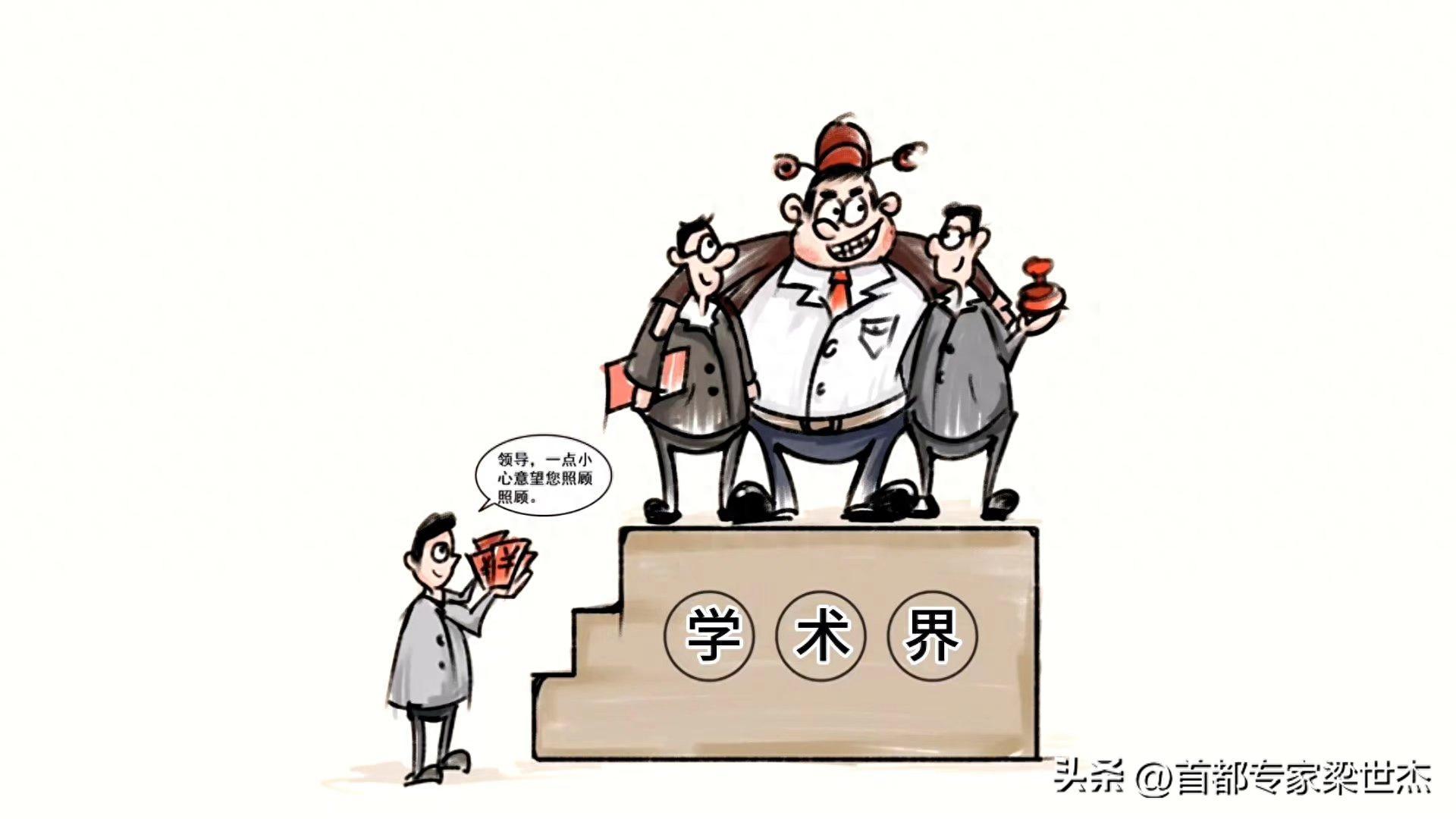
在追求真理與科學發展的學術殿堂中,一股不容忽視的暗流正在悄然湧動。這股暗流,便是學術界中的學閥與利益集團。他們以權力、資源、影響力爲武器,壟斷學術資源,控制學術評價,排擠異己,形成了一個個封閉的學術圈子。這股現象在醫學界尤爲突出,其危害更是深遠而廣泛,涉及科研、臨牀、學術創新以及醫生職務晉升等多個方面。
一、科研領域的陰霾
在醫學科研領域,學閥與利益集團通過掌控科研項目、評審資金分配等環節,嚴重扭曲了科研的初衷和方向。他們往往以“科研至上”爲幌子,大肆追求論文數量而非質量,導致大量科研經費被浪費在低水平的重複研究上。例如,我國每年的醫學科研經費有相當一部分被用於發表外文論文,而這些論文往往缺乏實質性的臨牀價值和創新性。更爲嚴重的是,一些學閥通過學術造假、買賣文章等手段,進一步鞏固了他們的學術地位,而真正有才華的科研人員卻難以獲得應有的支持和認可。
二、臨牀實踐的困境
在臨牀實踐方面,學閥與利益集團的危害同樣觸目驚心。他們往往通過控制醫院的管理層和科研方向,使得臨牀醫生在繁忙的工作中難以兼顧科研。這不僅削弱了醫生的臨牀技能,還導致了醫療質量的下降。更爲嚴重的是,一些學閥爲了追求個人利益,不惜犧牲患者的利益,將患者當作試驗品來練手,造成了許多不必要的悲劇。例如,在某些醫院中,年輕的醫生在晉升副主任醫師之前,往往需要在實驗室中度過漫長的歲月,而他們的臨牀技能卻得不到應有的鍛鍊和提升。一旦他們走上臨牀崗位,往往會因爲缺乏經驗而給患者帶來風險。

三、學術創新的阻礙
學術創新是推動醫學發展的關鍵動力。然而,在學閥與利益集團的掌控下,學術創新卻受到了嚴重的阻礙。他們往往通過控制學術評價和人才選拔等環節,排斥那些敢於挑戰傳統、提出新觀點的科研人員。這導致了許多有潛力的科研項目和人才被埋沒和浪費。更爲嚴重的是,這種排斥和壓制還形成了一種負面的學術氛圍,使得科研人員不敢輕易嘗試新的研究方向和方法,從而阻礙了醫學的進步和發展。
四、醫生職務晉升的畸形
在醫生職務晉升方面,學閥與利益集團的影響同樣不可忽視。他們通過控制職稱評審的流程和標準,使得那些與他們關係密切、符合他們利益的人更容易獲得晉升的機會。而那些真正有才華、有貢獻的醫生卻往往因爲缺乏“關係”和“背景”而被排斥在晉升的門外。這種畸形的職務晉升制度不僅挫傷了醫生的積極性和創造力,還導致了醫療隊伍的不穩定和人才流失。

以中山二院宋某某院士實驗室風波以及心內科專家胡某一對某勇教授的實名舉報爲例,這些事件不僅揭示了醫學學術領域中的腐敗和不公,更引發了人們對醫學界未來發展的深刻擔憂。在這些事件中,我們可以看到學閥與利益集團如何通過各種手段來維護自己的地位和利益,而真正有才華和貢獻的科研人員卻難以獲得應有的認可和支持。

綜上所述,學閥與利益集團在醫學界的危害是多方面的、深遠的。他們不僅扭曲了科研的初衷和方向,削弱了醫生的臨牀技能,阻礙了學術創新的發展,還破壞了醫生職務晉升的公正性和合理性。爲了改變這種現狀,我們需要從制度層面入手,加強學術評價和人才選拔的公正性和透明度,打破學閥與利益集團的壟斷和控制,爲真正有才華和貢獻的科研人員提供更多的支持和機會。只有這樣,我們才能推動醫學事業的健康發展,造福更多的患者和社會。
作者簡介:梁世傑 中醫高年資主治醫師,從事中醫臨牀工作24年,積累了較豐富的臨牀經驗。師從首都醫科大學附屬北京中醫院肝病科主任醫師、著名老中醫陳勇,侍診多載,深得器重,盡得真傳!擅用“商湯經方分類療法”、專病專方結合“焦樹德學術思想”“關幼波十綱辨證”學術思想治療疑難雜症爲特色。現任北京厚德爲懷醫生集團漸凍症研究中心主任,北京樹德堂中醫研究院研究員,北京中醫藥薪火傳承新3+3工程—焦樹德門人(陳勇)傳承工作站研究員,國際易聯易學與養生專委會常務理事,中國中醫藥研究促進會焦樹德學術傳承專業委員會委員,中國藥文化研究會中醫藥慢病防治分會首批癌症領域入庫專家。榮獲2020年中國中醫藥研究促進會仲景醫學分會舉辦的第八屆醫聖仲景南陽論壇“經方名醫”榮譽稱號。2023年首屆京津冀“扁鵲杯”燕趙醫學研究主題徵文優秀獎獲得者。事蹟榮登2024年第四季刊《當代科學家》雜誌。

The Mystery of Academia: The Harmful Consequences of Scholarism and Interest Groups - Medicine as an example
In the academic hall of pursuit of truth and scientific development, an undercurrent cannot be ignored is quietly welling up. This undercurrent is the academic establishment and interest groups. Using power, resources, and influence as weapons, they monopolize academic resources, control academic evaluation, and marginalize dissent, forming closed academic circles. This phenomenon is particularly prominent in the medical profession, and its harm is far-reaching and widespread, involving research, clinical, academic innovation, and physician promotion.
I. Smog in the field of scientific research
In the field of medical research, charlatans and interest groups have seriously distorted the original intention and direction of research by controlling research projects and reviewing the allocation of funds. They often pursue the number of papers rather than the quality under the guise of "research primacy," resulting in a huge amount of research funding being wasted on low-level repetitive research. For example, a significant portion of China''s annual medical research funding is spent on the publication of foreign-language papers, which often lack substantial clinical value and innovation. More seriously, some research entities have further consolidated their academic status through academic fraud and the sale of articles, while truly talented researchers have difficulty obtaining the support and recognition they deserve.
II. The dilemma of clinical practice
In clinical practice, the dangers of academic valves and interest groups are just as alarming. They often control hospital management and research direction, making it difficult for clinicians to juggle research during their busy work. This not only weakens the clinical skills of doctors, but also leads to a decline in the quality of care. Even more serious is that some learners, in pursuit of their personal interests, will not hesitate to sacrifice the interests of the patients, and use the patients as test subjects to practice their skills, causing many unnecessary tragedies. In some hospitals, for example, young doctors often spend long years in the laboratory before being promoted to associate physician, without the exercise and upgrading of their clinical skills. Once they get into clinical roles, they often put patients at risk because of their lack of experience.
III. Obstacles to Academic Innovation
Academic innovation is a key driver of medical development. Academic innovation, however, is severely hampered by the control of academic bubbles and interest groups. They often exclude researchers who dare to challenge tradition and propose new ideas by controlling aspects such as academic evaluation and talent selection. This has led to many promising research projects and talent being buried and wasted. More seriously, this exclusion and repression also creates a negative academic climate that prevents researchers from easily trying new research directions and methods, thus hindering the progress and development of medicine.
IV. The abnormality of the promotion of doctors
When it comes to the promotion of doctors, the influence of academics and interest groups cannot be ignored. By controlling job title review processes and standards, they make it easier for those close to them and in their interests to get promoted. And those who are truly talented and contributing doctors are often excluded from promotion because of a lack of "connections" and "background." This dysfunctional system of job promotion not only undermines the motivation and creativity of doctors, but also leads to instability and a brain drain in the medical workforce.
Take the disturbance in the lab of academician Song Moumou of Zhongshan Second Hospital and the real-name report of cardiologist Hu Moumou to Professor Mouyong as an example. These incidents not only reveal the corruption and injustice in the medical academic field, but also arouse people''s deep concern about the future development of the medical field. In these events, we can see how the academic valves and interest groups use various means to maintain their position and interests, while truly talented and contributing researchers struggle to get the recognition and support they deserve.
In summary, the dangers of academic valves and interest groups in the medical profession are multifaceted and far-reaching. They not only distort the original intent and direction of scientific research, weaken physicians'' clinical skills, hinder the development of academic innovation, and undermine the fairness and rationality of physician promotion. To change this situation, we need to take a systemic approach, strengthen the fairness and transparency of academic evaluation and talent selection, break the monopoly and control of research entities and interest groups, and provide more support and opportunities for truly talented and contributing researchers. Only in this way can we promote the healthy development of the medical profession for the benefit of more patients and society.
Author Bio: Liang Shijie is a senior medical practitioner in traditional Chinese medicine. He has been engaged in traditional medicine clinical work for 24 years and has accumulated a wealth of clinical experience. Following Chen Yong, chief physician of liver disease at Beijing Traditional Medicine Hospital, affiliated with Capital Medical University, and renowned old Chinese medicine, he has been treated for many years and received great attention. He specializes in the treatment of difficult diseases using "conversational traditional therapy" and special treatments combined with the academic ideas of Jiao Shude and Guan Yubo''s ten-level diagnosis.He is currently the director of the Center for Diffusion Research of Dr. Houde Wei Group in Beijing, a researcher at the Shude Tang Institute of Chinese Medicine, and a fellow at the new 3 + 3 project of traditional Chinese medicine flame inheritance in Beijing - a scholar at the inheritance work station of Jiao Shude''s protégés (Chen Yong),He is a standing committee member of the International Expert Committee on E-learning and Health Care, a member of the Jiao Shude Academic Heritage Special Committee of the Chinese Association for the Advancement of Chinese Medicine Research, and the first cancer specialist to be included in the chapter of the Chinese Pharmaceutical Culture Research Association. Won the 2020 China Association for the Promotion of Traditional Chinese Medicine Zhongjing Medical Branch held the eighth session of the Medical Saint Zhongjing Nanyang Forum "Classic Prescription Famous Doctor" honorary title. The winner of the first Beijing-Tianjin-Hebei "Pingui Cup" Yanzhao Medical Research Essay Award in 2023. The story was featured in the fourth edition of Current Scientist in 2024.