梁世傑:別被“平均壽命”帶偏:中醫價值從來不在一張失真表格裏
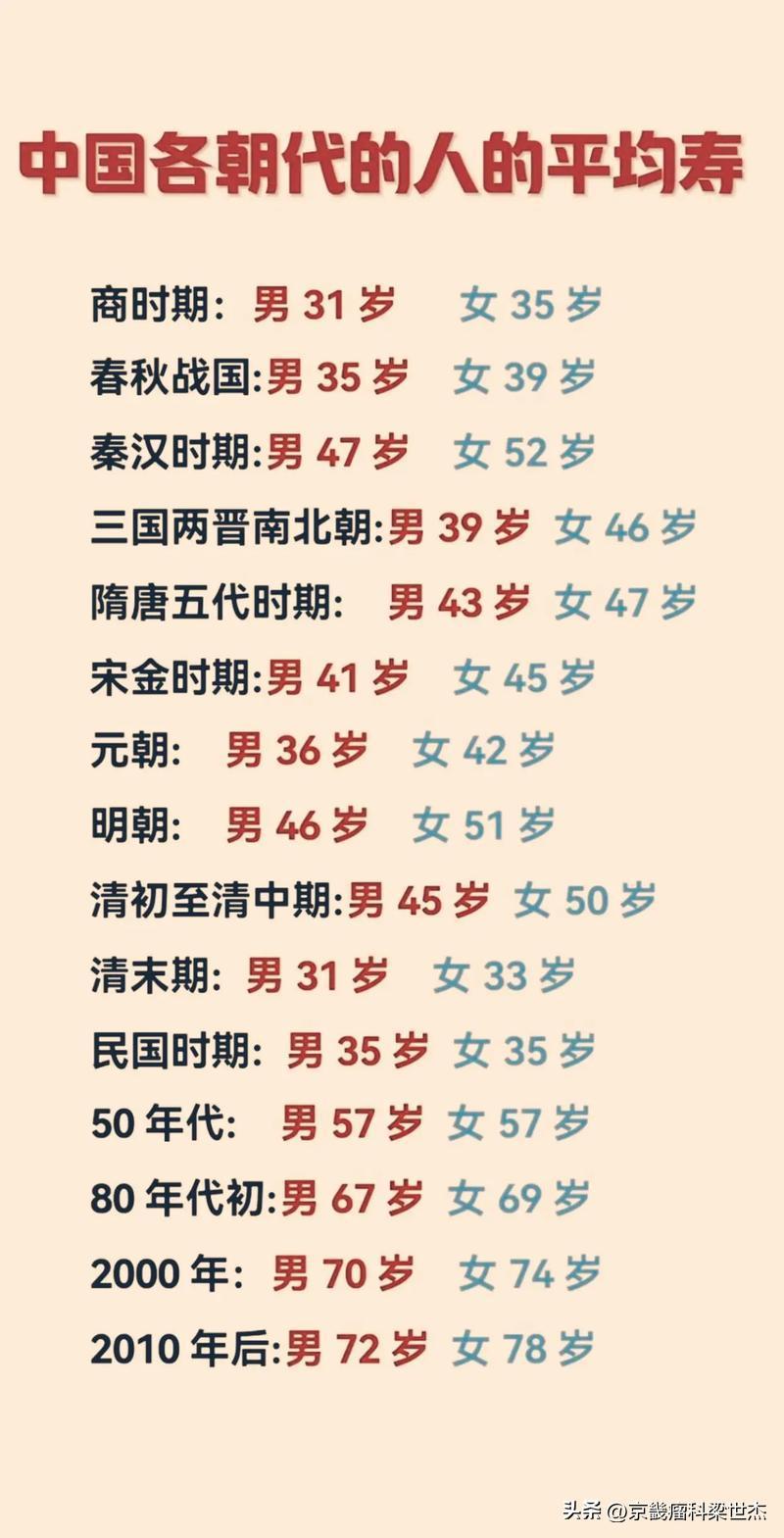
刷到不少視頻,列一張“各朝代平均壽命表”,配一句靈魂拷問:古人壽命那麼短,中醫有啥用? 看得人頭疼又好笑——拿一張漏洞百出的統計表,否定延續千年的生命智慧,既不懂歷史,也不懂科學,更不懂中醫。
先拆穿第一個謊言:你看到的“古代平均壽命”,根本不是真實壽命。
網傳夏商18歲、漢代22歲、唐代27歲、清代33歲,數據整齊得像批量生產,可來源呢?多是後世學者基於戶籍殘卷、墓葬片段的粗算估值,既沒覆蓋全民,也沒剔除極端樣本。最關鍵的是,嬰幼兒夭折率直接拉低了均值——北宋幼兒夭折率高達30%,天花、麻疹、霍亂等傳染病,現在一針疫苗能防,古代卻能吞掉半個村子的孩子。這些沒長大就離世的生命,全算進平均壽命裏,得出的數字能客觀嗎?
排除早夭人口,古代成年平民的真實壽命,根本沒那麼誇張。漢代官員多活過60歲,白居易75歲、蘇軾66歲、朱熹71歲,明清官員平均壽命約63歲,乾隆更是活到89歲。所謂“古人都短命”,不過是被數據障眼法騙了。
再戳破第二個誤區:壽命長短,從來不是醫療單一說了算。
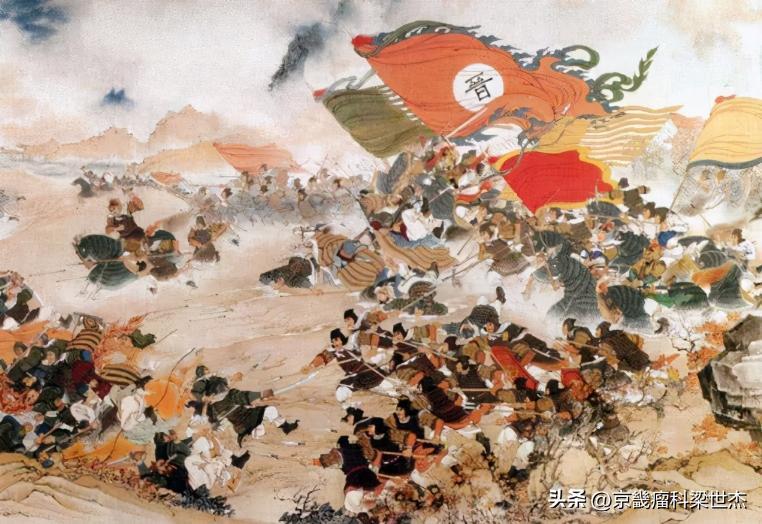
拿現在70多年的和平盛世,去對比古代連年戰亂、饑荒頻發、天災不斷的動盪歲月,本身就是耍流氓。古代一場戰亂能屠城,一次饑荒能易子而食,一場瘟疫能十室九空,這些非正常死亡,跟醫術有什麼關係?
還有人拿“皇帝短命”說事,更是幼稚。皇帝坐擁天下,縱慾無度、熬夜理政、權力內耗,身體早就被掏空;更何況太醫開藥,敢用猛藥嗎?治不好頂多丟官,治壞了滿門抄斬,只能用平和方子慢調,這是生存邏輯,不是醫術不行。把權力場的無奈,當成中醫無能,未免太不講理。
最可笑的是,喊着“講科學”的人,偏偏不懂統計科學。
樣本怎麼選?數據怎麼採?穿越回去逐個人登記壽命了?還是拿着碎片化史料瞎推算?西方整理的“古代壽命數據”,帶着文化偏見;我們跟風照搬,連數據來源、統計口徑都不問,就拿來批判中醫,這叫科學?這叫人云亦云的盲從。
評判傳統醫學的價值,別看失真的平均壽命,要看實打實的人口體量。
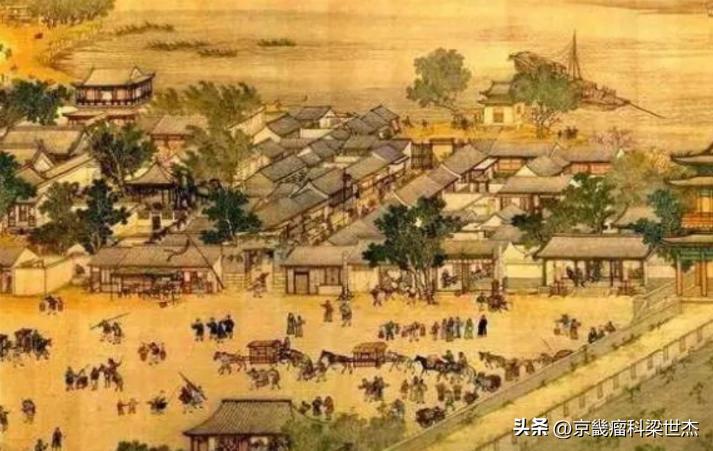
這纔是最硬核的證據:漢朝鼎盛時期人口超6000萬,同期整個歐洲人口不過千萬級;清代人口破4億,歐洲才2億。歐洲耕地是中國的2.5倍,卻養不起這麼多人,憑什麼?
不只是糧食,更是中醫構築的全民健康屏障。從《黃帝內經》的養生智慧,到張仲景《傷寒雜病論》的瘟疫防治;從中藥的辨證施治,到鍼灸、推拿的物理療愈,中醫解決的是常見病、多發病、瘟疫防控、婦幼保健這些底層民生問題。沒有中醫護佑,就算糧食滿倉,也扛不住瘟疫橫行、疾病肆虐,根本養不出世界第一的人口規模。
中醫的偉大,從來不是“讓人必活百歲”,而是在惡劣條件下,最大限度守護生命、繁衍族羣。
它沒有抗生素、疫苗,卻用辨證論治擋住瘟疫;沒有CT、核磁,卻用望聞問切精準斷症;沒有高端營養品,卻用藥食同源調理體質。它是農耕文明孕育的生命科學,是貼閤中國人體質的健康智慧,是刻在民族基因裏的生存密碼。
最後說句實在話:現代醫學延長壽命,靠的是和平環境、公共衛生、疫苗抗生素、營養改善,這是時代的進步,不是否定傳統的理由。中醫守護了民族千年繁衍,現代醫學守護着當代健康,兩者從來不是對立面。
別再被一張失真的表格帶節奏,別用片面數據否定千年智慧。中醫的價值,不在平均壽命的數字裏,在華夏民族生生不息的傳承裏,在千萬人祛病強身的真實體驗裏。
尊重歷史,尊重科學,更尊重那些守護民族千年的生命智慧,纔是真正的客觀與清醒。
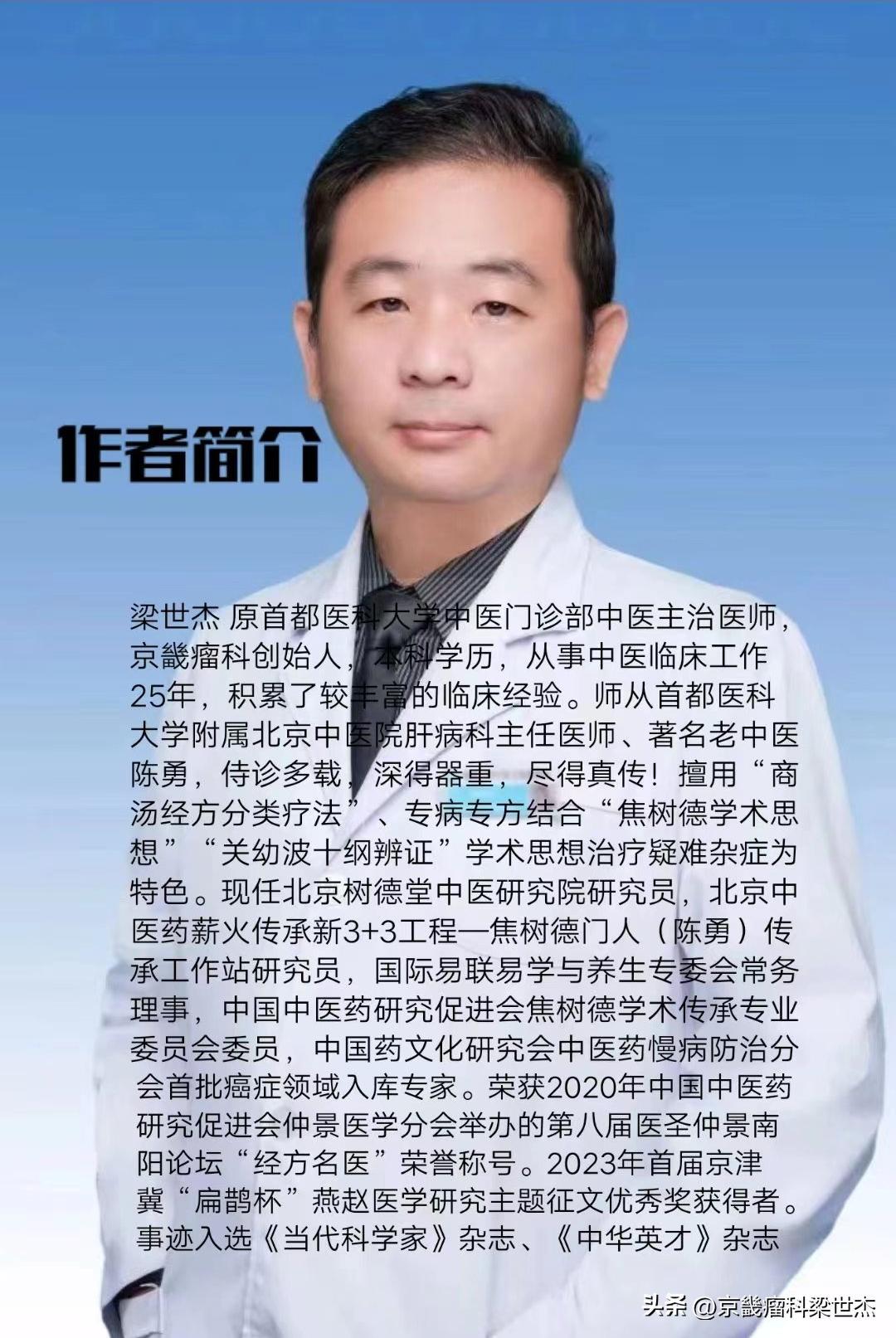
作者簡介:梁世傑 原首都醫科大學中醫門診部中醫主治醫師,京畿瘤科創始人,本科學歷,從事中醫臨牀工作25年,積累了較豐富的臨牀經驗。師從首都醫科大學附屬北京中醫院肝病科主任醫師、著名老中醫陳勇,侍診多載,深得器重,盡得真傳!擅用“商湯經方分類療法”、專病專方結合“焦樹德學術思想”“關幼波十綱辨證”學術思想治療疑難雜症爲特色。現任北京樹德堂中醫研究院研究員,北京中醫藥薪火傳承新3+3工程—焦樹德門人(陳勇)傳承工作站研究員,國際易聯易學與養生專委會常務理事,中國中醫藥研究促進會焦樹德學術傳承專業委員會委員,中國藥文化研究會中醫藥慢病防治分會首批癌症領域入庫專家。榮獲2020年中國中醫藥研究促進會仲景醫學分會舉辦的第八屆醫聖仲景南陽論壇“經方名醫”榮譽稱號。2023年首屆京津冀“扁鵲杯”燕趙醫學研究主題徵文優秀獎獲得者。事蹟入選《當代科學家》雜誌、《中華英才》雜誌。
Liang Shijie: Don''t get swayed by "average lifespan": The value of Chinese medicine is never in an erroneous form
I saw a lot of videos listing the "average life span of various dynasties" with a soul-searching question: What was the use of Chinese medicine for ancient people who had such a short life span? It''s a headache and a joke to watch - take a porous statistical table that denies millennia-old wisdom about life, and doesn''t understand history, science, or traditional Chinese medicine.
Let''s debunk the first lie: what you see as the "average ancient lifespan" is not the real lifespan at all.
Online reports that Xia Shang was 18 years old, Han Dynasty 22 years old, Tang Dynasty 27 years old, Qing Dynasty 33 years old. The data are as neat as mass production, but what is the source? Most of these estimates are calculated by later generations of scholars based on household registration records and burial fragments, which neither cover the whole population nor exclude extreme samples. Crucially, infant and child mortality rates directly lowered the average - up to 30 percent in the Northern Song Dynasty. Infectious diseases such as smallpox, measles, and cholera were now preventable with a single vaccine, but in ancient times they could swallow half a village''s children. If all these people who die before they grow up are counted into the average lifespan, can the figure be objective?
Excluding early deaths, the real lifespan of ancient adult civilians was not so exaggerated. Han officials lived more than 60 years, Bai Guyi was 75, Su Shi was 66, and Zhu Xi was 71. Ming and Qing officials averaged about 63 years, and Qianlong lived to 89 years. The so-called "ancient people had short lives" is simply a deception by data blindness.
To break a second myth: longevity is never the sole determination of medical care.
To compare the ancient turbulent years of war, famine and natural disasters with the peaceful world of the past 70 years is to be a fool. In ancient times, a war could slaughter a city, a famine could yield a child, and a plague could wipe out a house. What did these abnormal deaths have to do with medical science?
Others are even naive when they say that the emperor has a short life. The emperor occupied the world, indulged in excess, stayed up late to govern, and exhausted his power, and his body was long ago emptied. What''s more, a doctor prescribes drugs. Does he dare to use a powerful drug? If you cannot cure it, you will lose your official position, and you will be destroyed by a whole bunch of people. You can only use a peaceful formula to slow down. This is the logic of survival, not the failure of medical science. It would be unreasonable to treat the frustration of power as a Chinese medicine incompetence.
The most ridiculous thing is that people who shout "Science" don''t understand statistical science.
How do I choose a sample? How do we collect the data? Have you registered your life expectancy by individual journey back? Or do you make a fool''s guess with fragmented historical evidence? The "ancient lifespan data" collated by the West is culturally biased; We copy the trend and criticize traditional Chinese medicine without even asking about the source of the data or the statistics. What is this called science? This is called blind obedience.
When judging the value of traditional medicine, you should not lose sight of the real life expectancy, but rather the size of the population.
This is the most hard-core evidence: the population of the Han Dynasty at its peak was over 60 million, while the population of the whole of Europe was only tens of millions; The Qing Dynasty population broke 400 million, Europe is only 200 million. Europe has 2.5 times as much arable land as China, yet cannot afford to support so many people. Why?
Not only food, but also a national health barrier built by traditional Chinese medicine. From the wisdom of the Chinese Herbal Medicine to the prevention of plague in Zhang Zhongjing''s Theology of Typhoid Allergy; From the dialectical treatment of traditional Chinese medicine to the physical healing of acupuncture and massage, traditional Chinese Medicine addresses common diseases, multiple diseases, epidemic prevention and control, and maternal and child health care. Without the assistance of traditional Chinese medicine, even if the grain was full, it would not be able to withstand plagues and diseases, and it would never have the world''s largest population.
The greatness of traditional Chinese medicine has never been to "make people live a hundred years," but to protect life and breed communities to the greatest extent under harsh conditions.
It does not have antibiotics or vaccines, but uses dialectical treatment to prevent the plague. There is no CT, MRI, but with accurate diagnosis of the disease; There are no high-end nutritional products, but we use medicinal and food-based ingredients to regulate the body. It is the life science nurtured by the agricultural civilization, the health wisdom suited to the Chinese human nature, and the survival code in the national genes.
Finally, let''s say the truth: modern medicine extends life by means of peaceful environment, public health, vaccines, antibiotics, and improved nutrition. This is the progress of the times, not a reason to deny tradition. Traditional Chinese medicine has protected the reproduction of the nation for thousands of years, and modern medicine has protected contemporary health. The two are never opposites.
Stop being rhythmized by a distorted table, and stop denying thousands of years of wisdom with one-sided data. The value of traditional Chinese medicine is not in the number of life expectancy, in the endless heritage of the Chinese nation, and in the real experience of thousands of people in healing diseases and strengthening themselves.
Respect for history, respect for science, and even more respect for the life wisdom that has protected a nation for thousands of years is true objectivity and lucidity.
Author profile: Liang Shi-jie was a chief physician of traditional Chinese medicine at the Traditional Chinese Medicine Outpatient Clinic of Capital Medical University. He was the founder of Jingyi Tumor Clinic. He holds a bachelor’s degree and has been engaged in clinical work in traditional Chinese medicine for 25 years, accumulating extensive clinical experience. He studied under Chen Yong, a renowned senior traditional Chinese medicine practitioner at the Hepatology Department of Beijing Traditional Chinese Medicine Hospital affiliated to Capital Medical University. Over the years, he gained great respect and acquired genuine expertise. He specializes in using the “Shang Tang Classic Classification Therapy” and combining specific treatments for specific diseases with the “Jiao Shu-de Academic Thought” and the “Guan You-bo Ten-Principle Diagnosis” approach to treat complex medical conditions. He is currently a researcher at the Beijing Shu-de-Tang Traditional Chinese Medicine Research Institute and a researcher at the Beijing New 3+3 Project for the Inheritance of Traditional Chinese Medicine – Jiao Shu-de’s Disciples (Chen Yong) Heritage Workstation. He is a Standing director of the International Yi-lian Yi-xue and Health Preservation Committee and a member of the Committee for the Inheritance of Jiao Shu-de’s Academic Thought of the China Research Promotion Association for Traditional Chinese Medicine. He is also a member of the inaugural Cancer Expert Pool of the China Cultural Research Association for Traditional Chinese Medicine’s Prevention of Chronic Diseases. He was awarded the title of “Expert in Classic Prescriptions” at the Eighth Nanyang Forum of the Zhang Zhongjing Medical Division of the China Research Promotion Association in 2020. In 2023, he won the Excellence Award in the First Beijing-Tianjin-Hebei “Bian Que Cup” Yan-Zhao Medical Research Theme Essay Competition. His achievements have been featured in the magazines “Contemporary Scientists” and “China’s Elite”.