固生堂科技大會:奏響中醫藥現代化激昂樂章
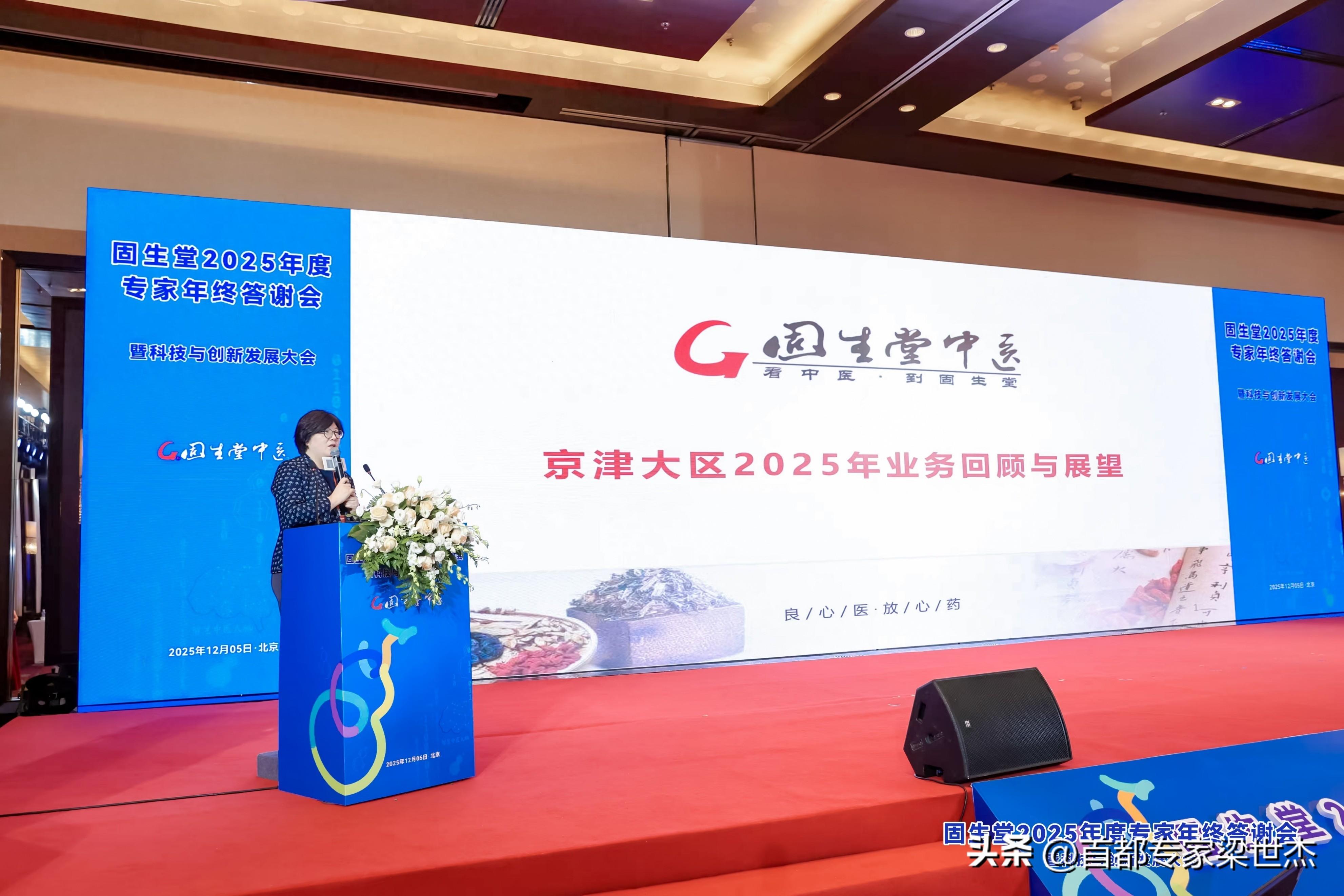
在科技浪潮洶湧澎湃的當下,傳統中醫藥宛如一艘古老而又充滿智慧的航船,正藉助現代科技的強勁東風,揚帆駛向現代化的廣闊海洋。12月5日,固生堂中醫連鎖管理集團於北京舉辦的2025年度科技與創新發展大會,無疑成爲了這場偉大航程中的一座耀眼燈塔,爲中醫藥的現代化發展照亮了前行的道路。
羣英匯聚,共繪中醫藥科技藍圖
此次大會宛如一場中醫藥領域的“超級盛宴”,匯聚了中醫藥領域的頂尖專家以及人工智能領域的學者近千人。這陣容,就好比是一場武林大會,各路高手齊聚一堂,摩拳擦掌,準備在中醫藥現代化的舞臺上大顯身手。會議還設置了10餘個區域分會場同步連線,這種規模和形式,就像是一場全球性的線上大派對,讓更多的人能夠參與到這場盛會中來,共同見證中醫藥與科技碰撞出的璀璨火花。
在大會上,一系列令人矚目的成果集中發佈,彷彿是一組絢麗的煙花在夜空中綻放。中醫藥特色大模型合作、臨牀科研一體化平臺啓動、國醫AI中醫大腦上線等,這些成果就像是一把把神奇的鑰匙,爲中醫藥現代化發展打開了一扇扇嶄新的大門。它們從多個維度探索着中醫藥現代化的發展路徑,讓我們看到了中醫藥在科技賦能下的無限可能。
強強聯合,打造中醫AI“超級引擎”
北京中醫藥大學谷曉紅教授團隊、中國中醫科學院劉保延教授團隊、北京交通大學周雪忠教授團隊簽署合作協議,聯合研發中醫藥特色大模型及智能體。這四支團隊就像是一支由不同專業精英組成的“超級戰隊”,覆蓋了人工智能、中醫學、醫工交叉學科等領域。他們將聚焦模型聯合訓練、權威評測、數據共享、高水平學術成果產出及智能體應用五大板塊,這五大板塊就像是戰車的五個輪子,共同驅動着打造強大的中醫AI大模型底座及智能體應用平臺這一目標前進。
這一合作的意義可不容小覷。它就像是在中醫藥現代化的道路上搭建了一座堅固的橋樑,將傳統中醫藥的智慧與現代科技的力量緊密地連接在一起。通過打造中醫AI大模型底座及智能體應用平臺,可以擴大優質中醫服務的供給,讓更多的人能夠享受到高質量的中醫服務。這就好比是在原本狹窄的道路上拓寬了車道,讓更多的車輛能夠順暢通行,讓中醫藥的服務能夠惠及更廣泛的人羣。
AI賦能,破解中醫傳承與發展難題
劉保延教授在會上的發言,就像是一顆投入平靜湖面的石子,激起了層層漣漪。他指出,固生堂通過AI大模型賦能醫生成長,爲解決中醫傳承難題、推動中醫藥循證發展及國際化開闢了新路徑。這話說得一點都不誇張,中醫傳承一直是中醫藥發展面臨的一大難題。老中醫們的經驗就像是一座座寶藏,但由於缺乏有效的傳承方式,很多寶貴的經驗隨着老中醫的離去而逐漸失傳。
而固生堂今年發佈的“國醫AI分身”系統,就像是一位神奇的“記憶大師”,它覆蓋了八大核心專科,通過數字化方式沉澱、挖掘老中醫的寶貴經驗,並將其轉化爲可規模化、規範化應用的工具。目前AI分身的專家模擬一致性已經達到86%,並獲得了專家本人的認可,初步驗證了技術路徑的可行性。這就好比是給老中醫們配備了一個“數字分身”,這個分身可以不知疲倦地將老中醫的經驗傳承下去,讓更多的醫生能夠學習和借鑑。
舉個例子來說,有一位老中醫在治療某種疑難雜症方面有着獨特的經驗和方法,但由於他的精力有限,能夠親自傳授的學生數量有限。而通過“國醫AI分身”系統,他的經驗可以被數字化記錄下來,形成一套標準化的治療方案。其他醫生可以通過學習這個系統,快速掌握老中醫的治療思路和方法,從而提高自己的診療水平。這樣一來,老中醫的經驗就能夠得到更廣泛的傳承和應用,中醫的傳承難題也就迎刃而解了。
驚喜時刻,晚宴抽獎添歡樂
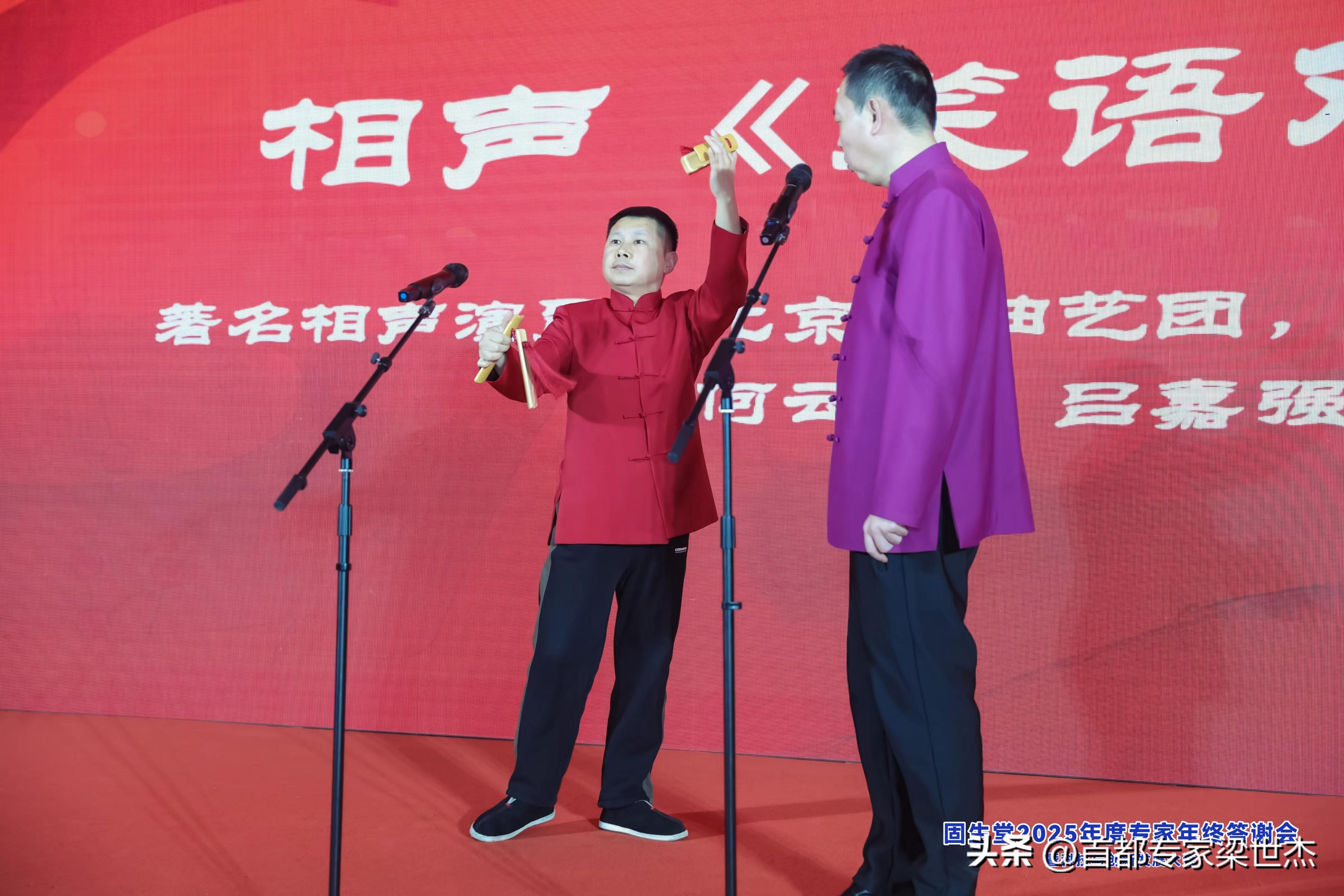
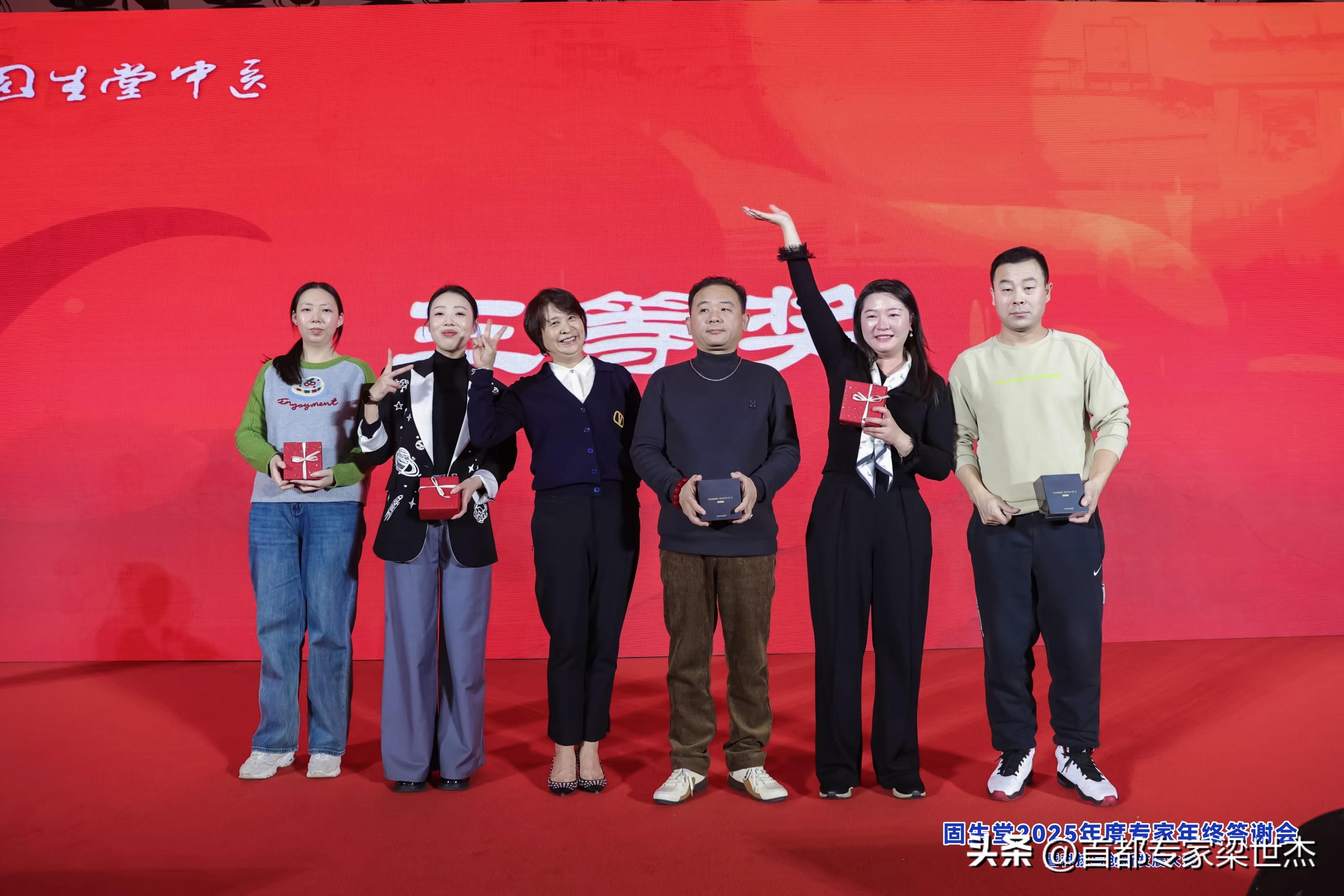
在答謝晚宴上,厚德爲懷醫生集團執行主席梁世傑主任作爲專家代表應邀出席,並且幸運地抽得了三等獎獎勵。這一小小的插曲,就像是在緊張激烈的比賽間隙,給觀衆帶來了一場輕鬆愉快的表演。它讓我們看到了,在嚴肅的科技大會背後,也有着溫馨歡樂的一面。這也提醒我們,在追求科技發展的道路上,不要忘記享受生活的樂趣。
展望未來,中醫藥現代化前景光明
固生堂2025年度科技與創新發展大會的成功舉辦,讓我們看到了中醫藥現代化的美好前景。在科技的助力下,中醫藥這顆古老的明珠正在煥發出新的光彩。它不再侷限於傳統的診療方式,而是與現代科技深度融合,向着更加科學化、規範化、國際化的方向發展。
然而,我們也應該清醒地認識到,中醫藥現代化的發展之路並非一帆風順。我們還需要不斷地探索和創新,克服各種困難和挑戰。就像爬山一樣,雖然山頂的風景很美,但在攀登的過程中,我們會遇到陡峭的山坡、惡劣的天氣等各種困難。但只要我們堅定信念,勇往直前,就一定能夠登上山頂,欣賞到那壯麗的景色。
讓我們攜手共進,以科技爲翼,讓中醫藥這艘古老的航船在現代化的海洋中乘風破浪,駛向更加輝煌的未來!相信在不久的將來,中醫藥將會在世界舞臺上綻放出更加耀眼的光芒,爲人類的健康事業做出更大的貢獻!
參考信息:中國中醫藥報,2025年12月17日頭版
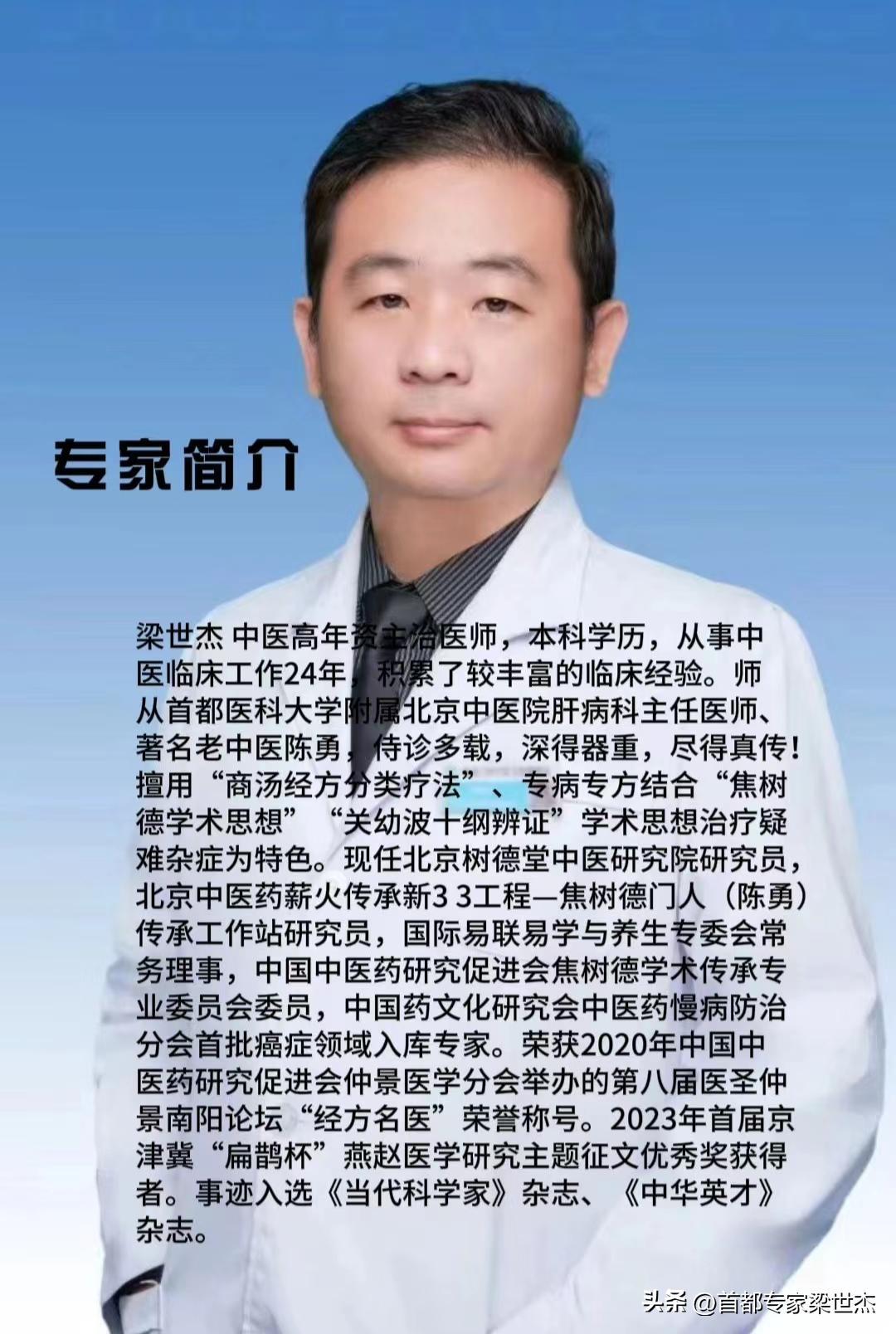
專家簡介:梁世傑 中醫高年資主治醫師,本科學歷,從事中醫臨牀工作24年,積累了較豐富的臨牀經驗。師從首都醫科大學附屬北京中醫院肝病科主任醫師、著名老中醫陳勇,侍診多載,深得器重,盡得真傳!擅用“商湯經方分類療法”、專病專方結合“焦樹德學術思想”“關幼波十綱辨證”學術思想治療疑難雜症爲特色。現任北京樹德堂中醫研究院研究員,北京中醫藥薪火傳承新3+3工程—焦樹德門人(陳勇)傳承工作站研究員,國際易聯易學與養生專委會常務理事,中國中醫藥研究促進會焦樹德學術傳承專業委員會委員,中國藥文化研究會中醫藥慢病防治分會首批癌症領域入庫專家。榮獲2020年中國中醫藥研究促進會仲景醫學分會舉辦的第八屆醫聖仲景南陽論壇“經方名醫”榮譽稱號。2023年首屆京津冀“扁鵲杯”燕趙醫學研究主題徵文優秀獎獲得者。事蹟入選《當代科學家》雜誌、《中華英才》雜誌。
The Gishi Temple Science and Technology Conference: playing a vigorous chapter in the modernization of Chinese medicine
At a time when the wave of technology is raging, traditional Chinese medicine is like an ancient and intelligent ship sailing to the vast modern ocean with the power of modern technology. On December 5, the Annual Conference on Science, Technology and Innovation Development held by Gushi Tang TCM Chain Management Group in Beijing, undoubtedly became a shining beacon in this great voyage, illuminating the way forward for the modernization of Chinese medicine.
Groups of British and Chinese gathered to draw a blueprint for Chinese medicine technology
The conference is like a "super feast" in the field of traditional Chinese medicine, bringing together nearly 1,000 top experts in the field and scholars in the fieldof artificial intelligence. This lineup is like a martial arts convention, where various talents from all walks of life gather to flex their muscles and prepare to perform well on the stage of the modernization of traditional Chinese medicine. The conference also set up more than 10 regional venues to connect simultaneously, and this scale and format is like a global online party, allowing more people to participate in the event and witness the brilliant spark of Chinese medicine and technology collision.
At the conference, a series of remarkable outcomes were released in a central ceremony, as if a brilliant set of fireworks were bursting in the night sky.The launch of large-scale models tailored to traditional Chinese medicine, the establishment of a unified platform for clinical research and medical science, and the deployment of the National Medicine AI Chinese Brain – these achievements serve as magical keys, unlocking new doors for the modernization of traditional Chinese medicine.They explore the development path of traditional Chinese medicine from multiple dimensions, and let us see the limitless possibilities of traditional medicine under the assistance of science and technology.
Combining strengths to create an AI “super engine” for traditional Chinese medicine.
Professor Gu Xiaohong of Beijing University of Chinese Medicine, Professor Liu Baoyan of the Chinese Academy of Chinese Materia Medica, and Professor Zhou Xuezhong of Beijing Jiaotong University signed a cooperation agreement to jointly develop large models and intelligent bodies featuring Chinese medicine. These four teams are like a "super team" composed of different professional elites, covering fields such as artificial intelligence, Chinese medicine, and the interdisciplinary discipline of medical and labor. They will focus on five areas: joint model training, authoritative evaluation, data sharing, high-level academic output and intelligent body applications. These five major areas are akin to the five wheels of a war chariot, working together to propel the goal of building a robust foundation for a large-scale AI model in traditional Chinese medicine, as well as an intelligent application platform.
The significance of this cooperation cannot be underestimated. It is like building a strong bridge on the road to the modernization of traditional Chinese medicine, connecting the wisdom of traditional traditional Chinese Medicine with the power of modern technology. By developing a foundation for large-scale AI models in traditional Chinese medicine and an application platform for intelligent entities, we can expand the supply of high-quality traditional Chinese medicine services, enabling more people to enjoy high-quality traditional Chinese medicine care. This is like widening lanes on an already narrow road, allowing more vehicles to pass smoothly, and enabling the services of traditional Chinese medicine to reach a wider population.
AI-powered solutions to overcome the challenges of traditional Chinese medicine’s transmission and development.
Professor Liu Baoyan''s speech at the conference was like a stone thrown into the surface of a calm lake, which stirred up layers of ripples.He pointed out that Gu Sheng Tang uses AI large models to empower doctors’ growth, thereby opening up new avenues for addressing the challenges of traditional Chinese medicine transmission, promoting evidence-based development of traditional Chinese medicine, and its internationalization.This is not an exaggeration at all, and the inheritance of traditional Chinese medicine has always been a major problem facing the development of traditional medicine. The experience of the old Chinese medicine practitioners is like a treasure, but due to the lack of effective transmission methods, many valuable experiences are gradually lost with the departure of the old medicine practitioner.
The “National Medicine AI Duplicate” system released by Guosheng Tang this year functions like a magical “memory master.” It covers eight core specialties, digitally consolidating and mining the valuable experiences of old Chinese physicians, and converting them into tools that can be scaled up and standardized for use.The current level of expert simulation consistency for AI avatars has reached 86%, and has been recognized by the experts themselves, preliminarily validating the feasibility of the technical approach. This is like equipping traditional Chinese medicine practitioners with a "digital sliver," which can tirelessly pass on the experience of traditional Chinese Medicine so that more doctors can learn and learn from it.
For example, there is an old Chinese medicine practitioner who has unique experience and methods for treating a difficult illness, but because of his limited energy, he is able to teach himself a limited number of students.Through the “National Medicine AI Avatar” system, his experiences can be digitally recorded and form a standardized treatment protocol.Other doctors can improve their own diagnosis and treatment by learning this system and quickly mastering the treatment ideas and methods of old Chinese medicine. In this way, the experience of old Chinese medicine can be inherited and applied more widely, and the difficulty of inheriting Chinese medicine is solved easily.
A moment of surprise, a dinner draw to add to the fun
At the thank-you dinner, Director Liang Shijie, executive chairman of the Houdai Medical Group, was invited as an expert representative and was lucky to win the third prize. This small episode, like taking place on the sidelines of a tense game, gave the audience a relaxing and enjoyable performance. It shows us that there is also a warm and joyous side behind serious tech conventions. It also reminds us that on the road to pursuing the development of science and technology, we should not forget to enjoy the fun of life.
Looking ahead, the modernization of traditional Chinese medicine has bright prospects
The successful organization of the annual science, technology, and innovation development conference of GSK 2025 has given us a good prospect for the modernization of traditional Chinese medicine. With the help of technology, this ancient pearl of Chinese medicine is shining newly. It is no longer limited to traditional methods of diagnosis and treatment, but is deeply integrated with modern technology and developed towards a more scientific, standardized and internationalized direction.
However, we should also wake up to the fact that the road to the modernization of traditional Chinese medicine is not always easy. We also need to constantly explore and innovate to overcome difficulties and challenges. Like climbing a mountain, although the scenery at the top is beautiful, in the climbing process, we will encounter various difficulties such as steep slopes, harsh weather and so on. But as long as we have firm convictions and are courageous, we will certainly be able to get to the top of the mountain and enjoy the magnificent scenery.
Let us work together, with technology as our wing, so that the ancient vessel of Chinese medicine can ride the wind and break the waves in the modern ocean and sail towards a brighter future! I believe that in the near future, traditional Chinese medicine will shine brighter on the world stage and make greater contributions to human health.
Reference information: China Journal of Chinese Medicine, front page, December 17, 2025
Liang Shijie is a senior medical practitioner in traditional Chinese medicine with an undergraduate degree. He has been engaged in traditional medicine clinical work for 24 years and has accumulated a wealth of clinical experience. Following Chen Yong, chief physician of liver disease at Beijing Traditional Medicine Hospital, affiliated with Capital Medical University, and renowned old Chinese medicine, he has been treated for many years and received great attention. He specializes in the treatment of difficult diseases using "conversational traditional therapy" and special treatments combined with the academic ideas of Jiao Shude and Guan Yubo''s ten-level diagnosis.He is currently a researcher at the Shude Tang TCM Research Institute in Beijing, a fellow at the new 3 + 3 project of traditional Chinese medicine flame inheritance in Beijing - a scholar at the inheritance workstation of Jiao Shude''s protégés (Chen Yong),He is a standing committee member of the International Expert Committee on E-learning and Health Care, a member of the Jiao Shude Academic Heritage Special Committee of the Chinese Association for the Advancement of Chinese Medicine Research, and the first cancer specialist to be included in the chapter of the Chinese Pharmaceutical Culture Research Association. Won the 2020 China Association for the Promotion of Traditional Chinese Medicine Zhongjing Medical Branch held the eighth session of the Medical Saint Zhongjing Nanyang Forum "Classic Prescription Famous Doctor" honorary title. The winner of the first Beijing-Tianjin-Hebei "Pingui Cup" Yanzhao Medical Research Essay Award in 2023. His work was featured in the journal Current Scientist and the journal Chinese Talent.