仝小林:方藥量效如何在《傷寒論》原劑量與《中國藥典》間找平衡
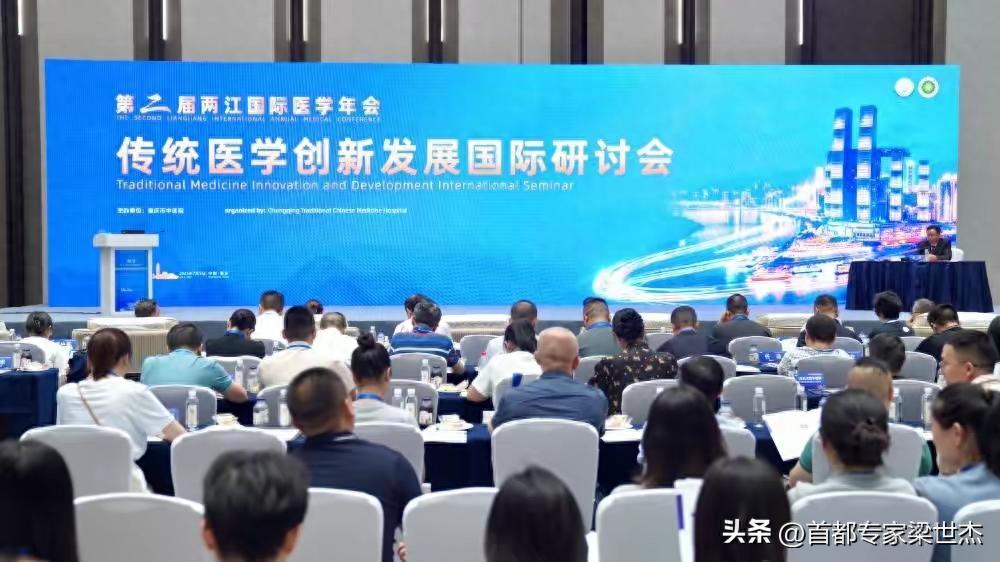
7月5日,山城重慶迎來了第二屆兩江國際醫學年會的重頭戲——由重慶市中醫院主辦的傳統醫學創新發展國際研討會。這場盛會匯聚了近300名中醫藥領域的專家學者,他們帶着對中醫藥未來的深切期許,圍繞“中醫藥的創新發展”這一主題展開了深入而熱烈的研討。
在衆多精彩紛呈的發言中,中國中醫科學院首席科學家仝小林的見解尤爲引人注目。他以其深厚的學術功底和敏銳的洞察力,直指中醫藥用藥特點的變遷及其背後的深層問題。
仝小林指出,張仲景作爲中醫史上的巨匠,其用藥風格以“藥少而精,藥專力宏”著稱。然而,時至今日,中醫藥的用藥特點卻悄然發生了變化,整方藥味增多,單味劑量卻逐漸減小。這種變化看似是爲了安全起見,實則不然。藥味一多,品種就雜,各種藥物之間難免互相牽制,反而影響了療效的發揮。
他進一步分析道:“出於安全考慮,‘廣設攻圍’或許能取得一定效果,但這種‘分量減而藥味漸多’的大處方,絕非提高療效的最佳途徑。”仝小林強調,我們應該回歸經方本原劑量,重視臨牀用足劑量,這纔是中醫藥傳承發展的正道。
然而,這一觀點的實施卻面臨着現實的困境。按照傳統經驗開具藥量,雖然往往能出奇制勝,但卻可能突破《中國藥典》的法定劑量。這無疑增加了醫生的法律風險,使他們在治病救人時束手束腳,步履維艱。如何降低醫生的醫療風險,避免他們只能以圍方、合方取效,成爲中醫傳承中的一大難題。
面對這一難題,我們不禁要問:中醫藥的創新發展,究竟路在何方?
首先,我們需要明確的是,中醫藥的傳承與發展並非一成不變地照搬古方,而是在繼承的基礎上不斷創新。這就要求我們在尊重傳統的同時,也要敢於突破束縛,勇於探索新的用藥方法和劑量。
其次,我們應該加強中醫藥的科研投入,通過科學的方法驗證傳統藥方的有效性和安全性。只有經過科學驗證的藥方,才能更好地服務於臨牀,降低醫生的法律風險。
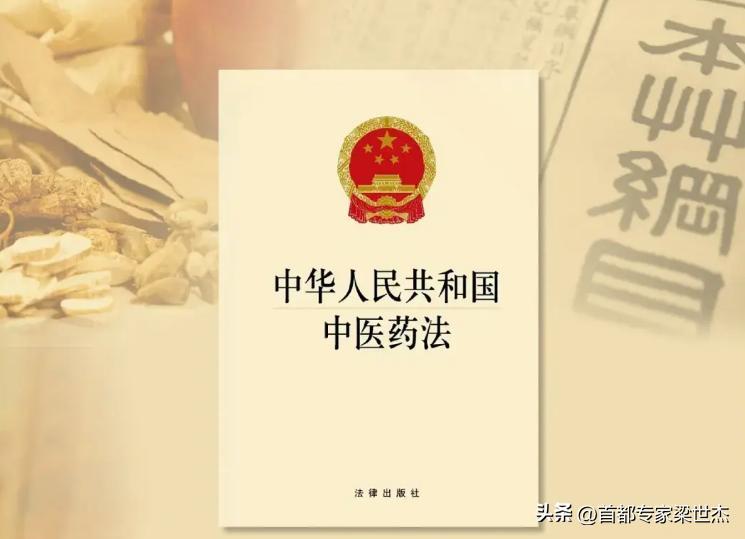
再者,我們還應該建立完善的中醫藥法律體系,爲中醫藥的創新發展提供有力的法律保障。只有這樣,醫生才能在法律允許的範圍內自由發揮,爲患者提供更加精準、有效的治療方案。
值得一提的是,近年來已有不少學者和專家在中醫藥的創新發展上取得了顯著成果。他們通過深入研究古代醫籍,挖掘傳統藥方的潛在價值,並結合現代醫學技術,研發出了一系列具有創新性的中藥製劑。這些製劑不僅療效顯著,而且安全性高,爲中醫藥的傳承與發展注入了新的活力。
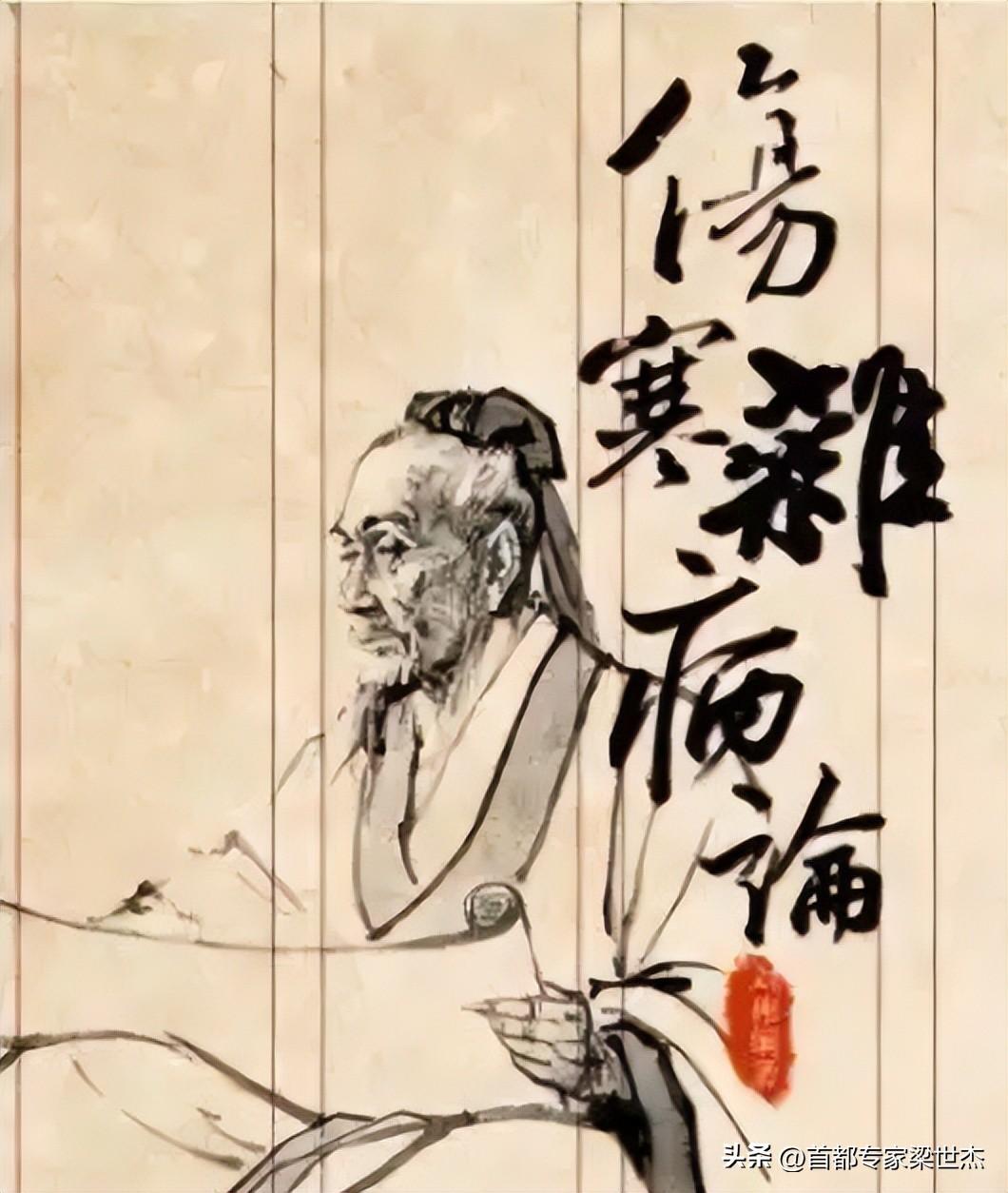
例如,某研究團隊通過對張仲景《傷寒雜病論》中的經典藥方進行深入研究,發現其中某些藥方的劑量與現代臨牀常用劑量存在顯著差異。他們通過臨牀試驗驗證,發現按照傳統劑量使用這些藥方,能夠取得更好的治療效果。這一發現不僅爲中醫藥的臨牀應用提供了新的思路,也爲中醫藥的創新發展開闢了新的道路。
當然,中醫藥的創新發展並非一蹴而就。它需要我們在傳承與創新之間找到平衡點,既要尊重傳統、繼承精華,又要勇於創新、開拓進取。只有這樣,我們才能讓中醫藥這一瑰寶在現代社會中煥發出更加璀璨的光芒。
最後,讓我們共同期待中醫藥的未來。相信在不久的將來,中醫藥將成爲世界醫學領域中一顆璀璨的明珠,爲人類的健康事業作出更加巨大的貢獻。而這場傳統醫學創新發展國際研討會,正是我們邁向這一目標的堅實步伐。
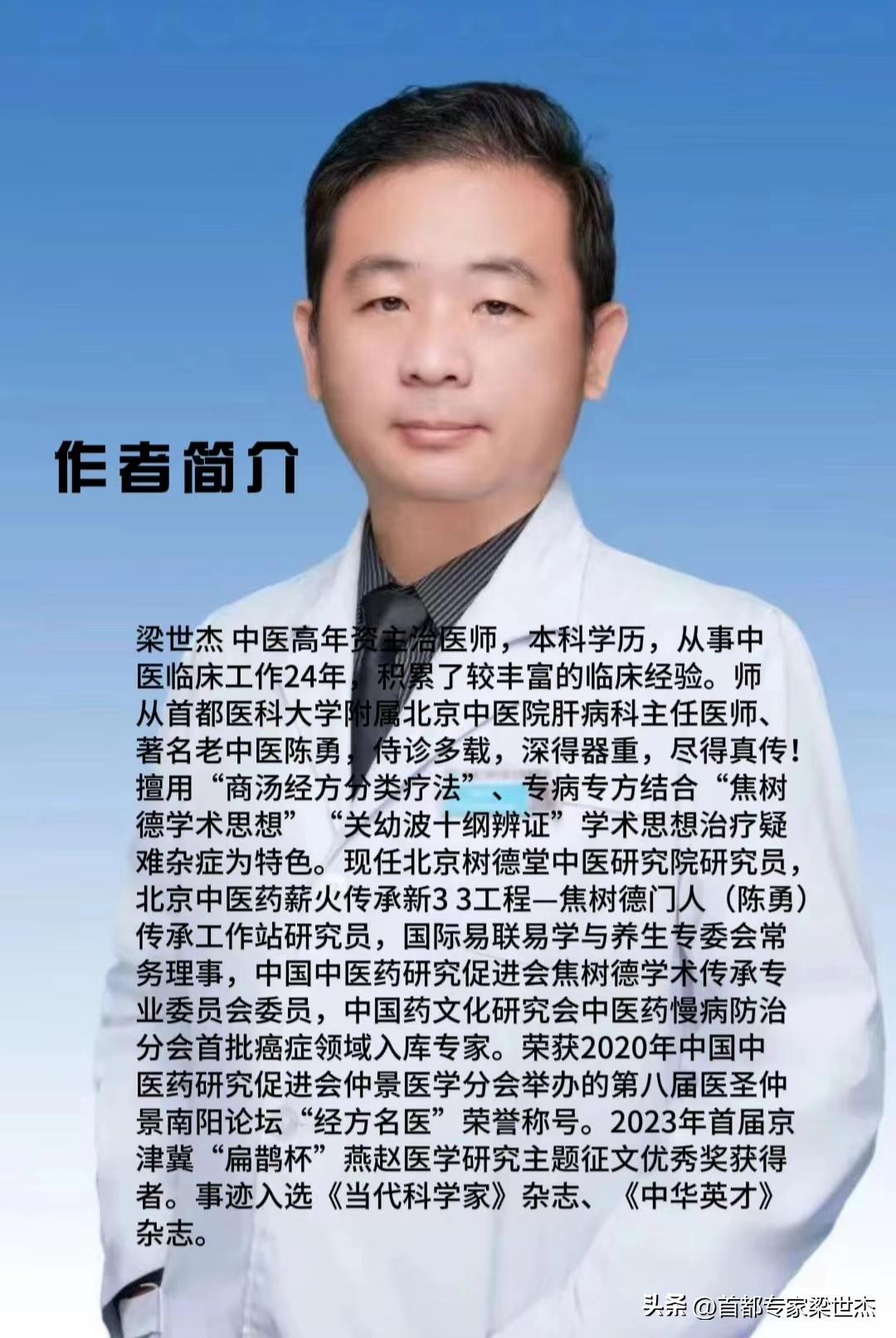
作者簡介:梁世傑 中醫高年資主治醫師,本科學歷,從事中醫臨牀工作24年,積累了較豐富的臨牀經驗。師從首都醫科大學附屬北京中醫院肝病科主任醫師、著名老中醫陳勇,侍診多載,深得器重,盡得真傳!擅用“商湯經方分類療法”、專病專方結合“焦樹德學術思想”“關幼波十綱辨證”學術思想治療疑難雜症爲特色。現任北京樹德堂中醫研究院研究員,北京中醫藥薪火傳承新3+3工程—焦樹德門人(陳勇)傳承工作站研究員,國際易聯易學與養生專委會常務理事,中國中醫藥研究促進會焦樹德學術傳承專業委員會委員,中國藥文化研究會中醫藥慢病防治分會首批癌症領域入庫專家。榮獲2020年中國中醫藥研究促進會仲景醫學分會舉辦的第八屆醫聖仲景南陽論壇“經方名醫”榮譽稱號。2023年首屆京津冀“扁鵲杯”燕趙醫學研究主題徵文優秀獎獲得者。事蹟入選《當代科學家》雜誌、《中華英才》雜誌。
Tong Xiaoping: Effectiveness of prescription drugs - How to find a balance between the original dose of Typhoid Theory and the Chinese Pharmacopoeia
On July 5, the mountain city of Chongqing welcomed the main event of the second Bijiang International Medical Annual Conference - the International Symposium on the Innovation and Development of Traditional Medicine, hosted by the Chongqing Provincial Medical Hospital. The event brought together nearly 300 experts and scholars in the field of traditional Chinese medicine, who, with deep expectations for the future of traditional medicine, engaged in in-depth and lively discussions around the theme of "innovative development of traditional China medicine."
Among the many brilliant speeches, Tong Xiaolin, Chief Scientist of China Academy of Traditional Chinese Medicine Department, was particularly eye-catching. With his deep academic foundation and keen insight, he points to the changing characteristics of Chinese medicine and the deep problems behind it.
Tong Xiaoping pointed out that Zhang Zhongjing, as a giant in the history of Chinese medicine, is known for his medicinal style of "less pills, more refined pills, and specialized in medicine." However, to this day, the characteristics of traditional Chinese medicine have quietly changed, the whole prescription has increased in flavor, and the single-flavor dose has gradually decreased. This change might seem to be for safety reasons, but it is not. The more flavors of medicines, the more diverse the variety, and the various drugs inevitably contain each other, which instead affects the effectiveness of the treatment.
"Widespread siege may be effective for security reasons, but such large-scale prescriptions of diminishing amounts and increasing flavors are by no means the best way to improve efficacy," he added. Tong Xiaoping stressed that we should return to the original dose of traditional Chinese medicine and attach importance to the full dose in clinical use, which is the right way to inherit and develop Chinese medicine.
However, the implementation of this view faces real dilemmas. Although prescribing a dose according to traditional experience is often surprisingly successful, it may break the legal dose in the Chinese Pharmacopoeia. This undoubtedly increases the legal exposure of doctors, leaving them struggling to navigate while treating patients and saving lives. How to reduce the medical risks of doctors and avoid them using only prescriptions and combinations for effective results has become a major difficulty in the traditional Chinese medicine.
In the face of this difficult situation, we cannot help but ask: where is the path to the innovative development of Chinese medicine?
First, we need to be clear that the inheritance and development of Chinese medicine is not an immutable copy of ancient recipes, but is based on continuous innovation. This requires that while respecting traditions, we also have the courage to break through boundaries and explore new ways and doses of medicine.
Secondly, we should strengthen the research investment in traditional Chinese medicine and verify the effectiveness and safety of traditional prescriptions through scientific methods. Only prescriptions that are scientifically validated can better serve the clinic and reduce the legal risks for doctors.
Furthermore, we should also establish a sound legal system for traditional Chinese medicine to provide strong legal safeguards for the innovative development of traditional Chinese Medicine. Only in this way can doctors freely exercise their freedom to provide patients with more accurate and effective treatments within the bounds of the law.
It is worth mentioning that in recent years, many scholars and experts have achieved remarkable results in the innovative development of traditional Chinese medicine. They have developed a series of innovative preparation of Chinese materia medica through in-depth study of ancient medical literature, tapping into the potential of traditional prescriptions and combining modern medical techniques. These preparations not only have significant efficacy, but also have high safety, injecting new vitality into the inheritance and development of Chinese medicine.
For example, a team of researchers conducted an in-depth study of classical prescriptions in Zhang Zhongjing''s Annals of Typhoid and found that the dosages of some of these prescriptions differed significantly from those commonly used in modern clinical settings. They tested it in clinical trials and found that using traditional doses of these medicines produced better results. This discovery not only provides new ideas for the clinical application of traditional Chinese medicine, but also opens up new paths for the innovative development of traditional medicine.
Of course, the innovative development of traditional Chinese medicine did not happen overnight. It requires us to find a balance between inheritance and innovation, to respect tradition and inherit the best, but also to be brave and innovative. Only in this way can we make this treasure of Chinese medicine shine even brighter in modern society.
Finally, let us look forward to the future of traditional Chinese medicine together. It is believed that in the near future, traditional Chinese medicine will become a shining pearl in the world medical field and make a greater contribution to human health. This International Symposium on the Innovation Development of Traditional Medicine is a solid step towards this goal.
Author Bio: Liang Shijie is a senior medical practitioner in traditional Chinese medicine with an undergraduate degree. He has been engaged in traditional medicine clinical work for 24 years and has accumulated a wealth of clinical experience. Following Chen Yong, chief physician of liver disease at Beijing Traditional Medicine Hospital, affiliated with Capital Medical University, and renowned old Chinese medicine, he has been treated for many years and received great attention. He specializes in the treatment of difficult diseases using "conversational traditional therapy" and special treatments combined with the academic ideas of Jiao Shude and Guan Yubo''s ten-level diagnosis.He is currently a researcher at the Shude Tang TCM Research Institute in Beijing, a fellow at the new 3 + 3 project of traditional Chinese medicine flame inheritance in Beijing - a scholar at the inheritance workstation of Jiao Shude''s protégés (Chen Yong),He is a standing committee member of the International Expert Committee on E-learning and Health Care, a member of the Jiao Shude Academic Heritage Special Committee of the Chinese Association for the Advancement of Chinese Medicine Research, and the first cancer specialist to be included in the chapter of the Chinese Pharmaceutical Culture Research Association. Won the 2020 China Association for the Promotion of Traditional Chinese Medicine Zhongjing Medical Branch held the eighth session of the Medical Saint Zhongjing Nanyang Forum "Classic Prescription Famous Doctor" honorary title. The winner of the first Beijing-Tianjin-Hebei "Pingui Cup" Yanzhao Medical Research Essay Award in 2023. His work was featured in the journal Current Scientist and the journal Chinese Talent.