低能量老鼠人:陽虛時代的集體症狀與生存智慧
在互聯網的浪潮中,總有一些新奇的設定和標籤如流星般劃過夜空,而“低能量老鼠人”這一人設,卻如同一顆璀璨的恆星,穩穩地照亮了無數年輕人的內心世界。它不僅僅是一個網絡梗,更是一種社會現象的縮影,是當代大學生乃至廣大職場人士集體確診的一種“時代病”。
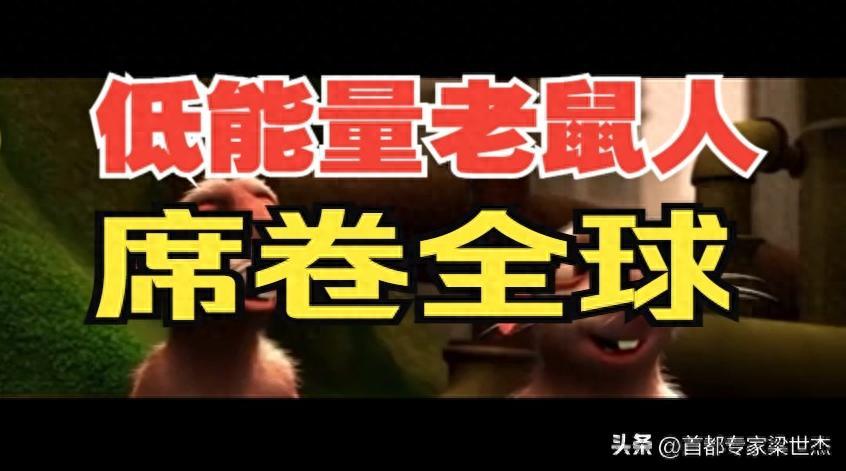
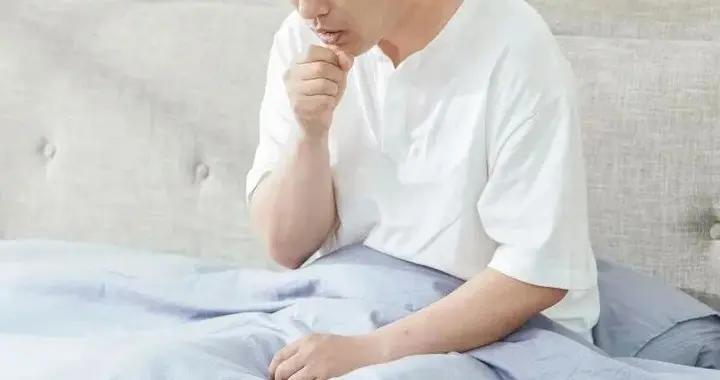
所謂“低能量老鼠人”,便是那些生活在“陰暗潮溼”環境中,一窩就是一天,靠着外賣續命,行動力低下,卻又焦慮滿滿的一羣人。他們的生活日常,就是躺在牀上,窗簾緊閉,眼睛一睜一閉,一天就過去了。洗澡、喫飯、上班,每一件小事都需要巨大的心理和身體雙重建設,彷彿整個世界都對他們充滿了敵意,連起牀都是一種奢侈。
低能量老鼠人的出現,並非偶然。在這個快節奏、高壓力的社會里,每個人都在爲了生活奔波,爲了夢想奮鬥。但有時候,夢想似乎遙不可及,生活卻像一座大山,壓得人喘不過氣來。於是,一些人選擇了“躺平”,一些人選擇了“佛系”,而更多的人,則悄悄地加入了“低能量老鼠人”的行列。
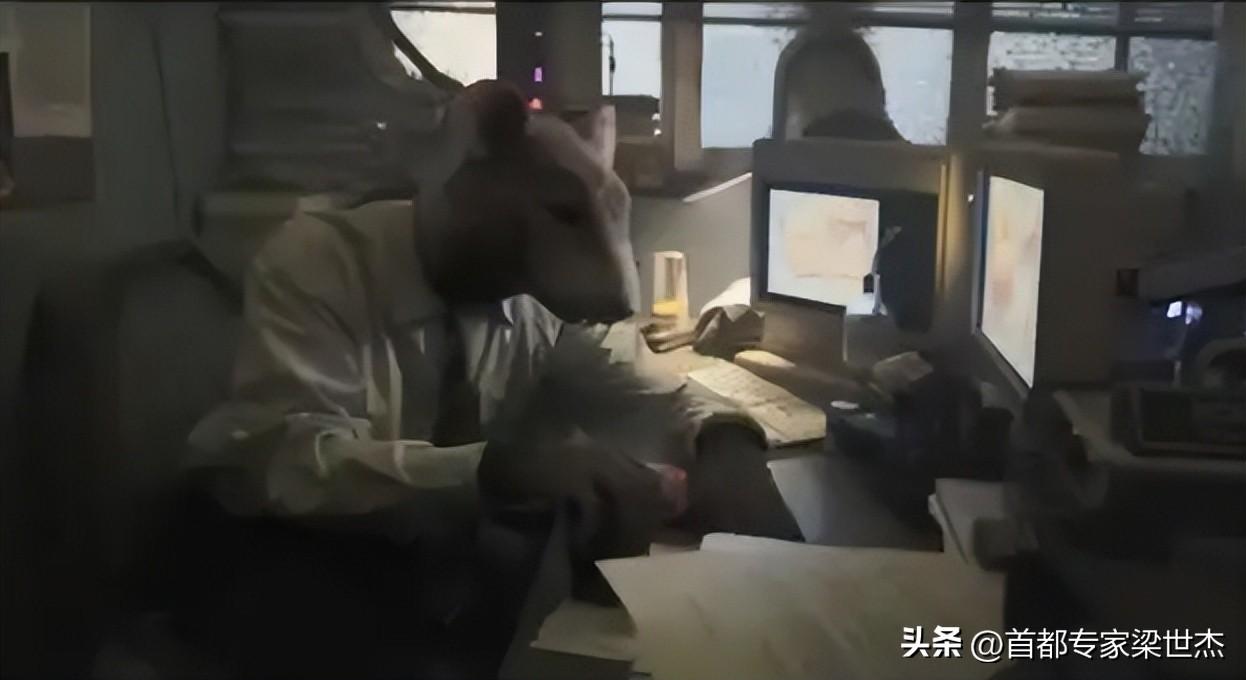
他們並不是真正的懶惰或頹廢,而是被社會的壓力榨乾了精力。大學的課程、會議、論文、就業壓力;職場的KPI、996、團建、人際關係;還有那些無處不在的信息過載,像潮水一樣湧來,讓人應接不暇。在這些壓力的共同作用下,低能量老鼠人選擇了用一種看似消極的方式來抵抗——他們縮進自己的“洞穴”,用擺爛代替內卷,用低能耗生存來保護自己。
然而,低能量並不等於沒有能量。低能量老鼠人只是更加懂得如何分配和使用自己的能量。他們就像“節能型手機”,在同等事務下消耗更多心力,恢復週期也更長。因此,他們學會了開啓節能省電模式,減少非必要消耗,把能量留給真正重要的事。
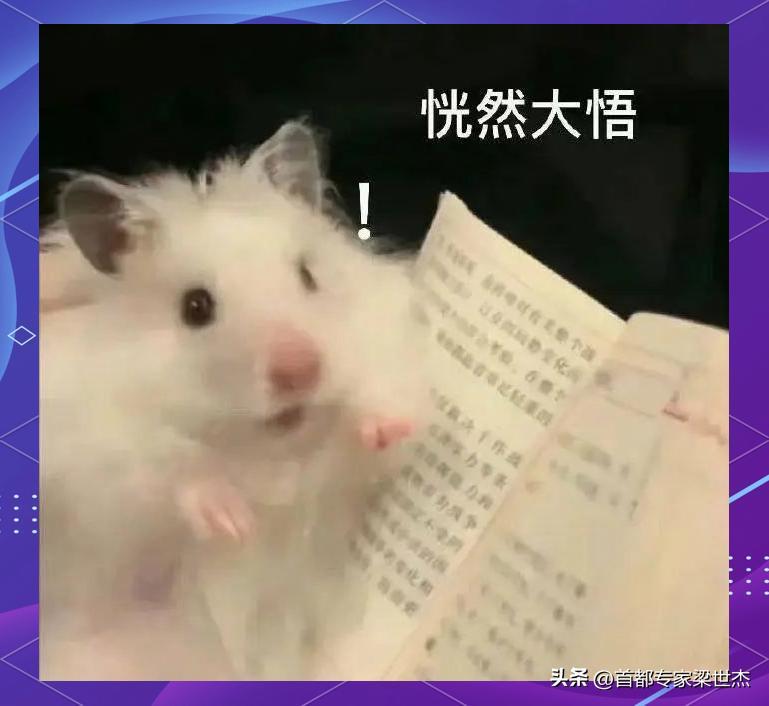
比如,那個平時週末都會窩在家裏癱着的人,在遇到想看的明星粉絲見面會時,也會安排三天特種兵行程,一個人出國全妝追星。這就是低能量老鼠人的“能量守恆定律”——在關鍵時刻,他們也能爆發出驚人的能量。
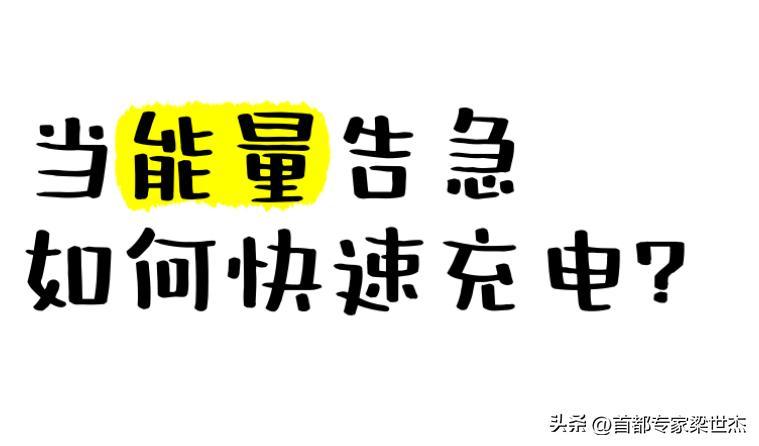
低能量老鼠人還有自己的充電方式。週報寫完了,獎勵自己看三集動漫;被甲方虐哭了,怒點兩杯奶茶;深夜EMO時,沒有什麼是一頓燒烤不能解決的。他們懂得如何在自己電量告急時及時充電,讓自己重新煥發生機。
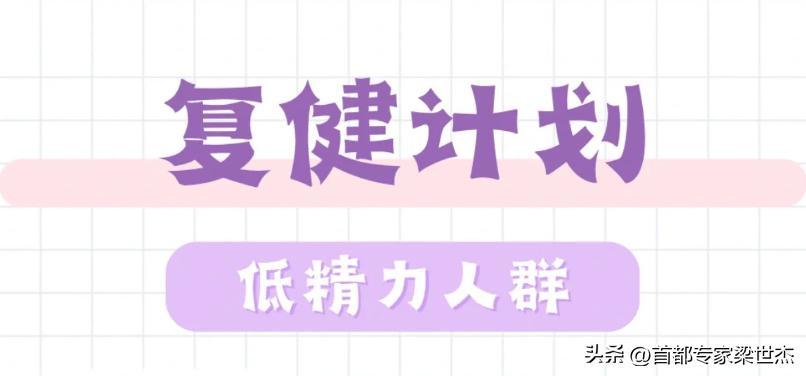
當然,低能量老鼠人並不是永遠都低能量。當他們覺察到自己的電量太容易耗盡,並且怎麼也提不起精神時,他們也會開始積極尋求提高能量的方法。豆瓣上的“低精力人羣復健計劃”小組就是一個很好的例子。在這個小組裏,人們分享着如何快速睡覺不拖延、如何減少電子產品干擾、怎麼喫得好來補充營養等“增能技巧”。他們互相鼓勵、互相支持,共同尋找着走出低能量狀態的方法。
有人說,低能量老鼠人是一種自我矮化、太過於負能量。但我認爲,這恰恰是一種對自我狀態的清醒認知和對社會壓力的無奈反抗。他們並不是在逃避責任或懶惰成性,而是在用自己的方式調整節奏、保存實力。
在這個充滿競爭和壓力的社會里,我們總是被鞭策着要“立刻振作”、“永遠滿血”。但有時候,我們也需要允許自己暫停一下、休息一下。因爲真正的能量管理並不是永遠保持高能量狀態,而是懂得何時該放電、何時該充電。
就像那些低能量老鼠人一樣,他們雖然看起來“懶惰”、“頹廢”,但實際上卻擁有着自己的生存智慧。他們懂得如何在自己有限的精力範圍內做出最好的選擇、如何在自己電量告急時及時充電、如何在自己無法應對壓力時選擇暫停。
所以,讓我們對那些低能量老鼠人多一些理解和包容吧!他們並不是在逃避生活或放棄夢想,而是在用自己的方式應對着這個充滿挑戰的世界。也許有一天,當你感到疲憊不堪、精力耗盡時,你也會選擇成爲一隻“低能量老鼠人”,在自己的“洞穴”裏靜靜地休息、恢復精力。因爲在這個快節奏的社會里,有時候慢下來也是一種智慧。
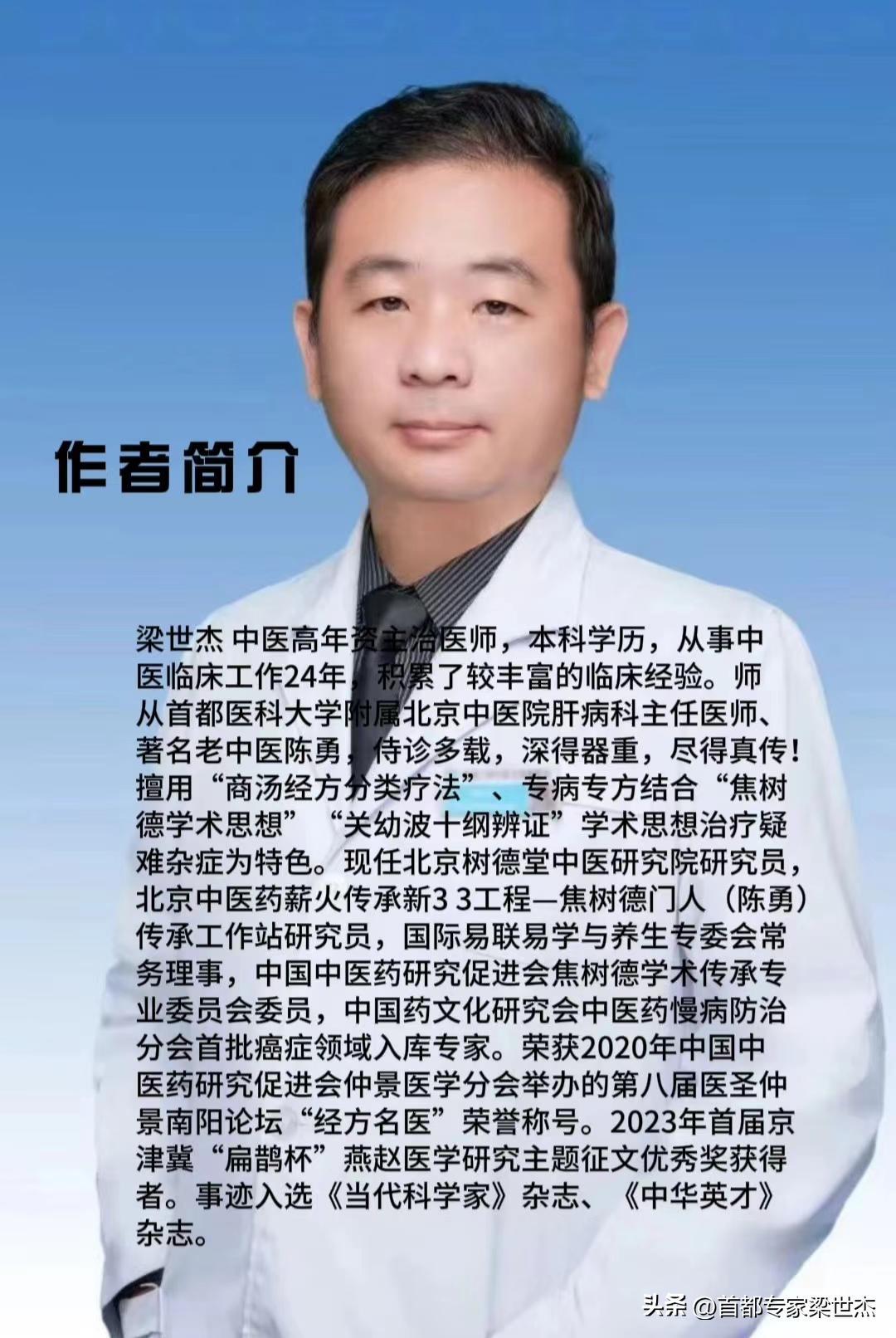
作者簡介:梁世傑 中醫高年資主治醫師,本科學歷,從事中醫臨牀工作24年,積累了較豐富的臨牀經驗。師從首都醫科大學附屬北京中醫院肝病科主任醫師、著名老中醫陳勇,侍診多載,深得器重,盡得真傳!擅用“商湯經方分類療法”、專病專方結合“焦樹德學術思想”“關幼波十綱辨證”學術思想治療疑難雜症爲特色。現任北京樹德堂中醫研究院研究員,北京中醫藥薪火傳承新3+3工程—焦樹德門人(陳勇)傳承工作站研究員,國際易聯易學與養生專委會常務理事,中國中醫藥研究促進會焦樹德學術傳承專業委員會委員,中國藥文化研究會中醫藥慢病防治分會首批癌症領域入庫專家。榮獲2020年中國中醫藥研究促進會仲景醫學分會舉辦的第八屆醫聖仲景南陽論壇“經方名醫”榮譽稱號。2023年首屆京津冀“扁鵲杯”燕趙醫學研究主題徵文優秀獎獲得者。事蹟入選《當代科學家》雜誌、《中華英才》雜誌。
Low-Energy Rats: Collective Symptoms and Survival Wisdom in the Age of Homophobia
In the wave of the Internet, there are always some novel settings and labels that fly through the night sky like meteors, and the "low-energy mouse person" personality is like a bright star that steadily illuminates the inner world of countless young people. It is not only an Internet ailment, but also a microcosm of a social phenomenon, a "disease of the times" collectively diagnosed by contemporary college students and even the general workforce.
The so-called "low-energy mouse people" are those people who live in "dark and humid" environments, live in one coop for a day, depend on takeaway food for their lives, have low mobility, but are anxious. Their daily life consisted of lying in bed with the curtains closed and their eyes opened and closed, and the day passed. Taking a bath, eating a meal, going to work - every little thing requires a huge mental and physical double-building, as if the whole world is hostile to them, and even getting up is a luxury.
The emergence of low-energy mouse people is not an accident. In this fast-paced, high-pressure society, everyone is struggling for life and fighting for dreams. But sometimes the dream seems out of reach, but life is like a mountain that overwhelms people. So some people chose "lying down," some chose "Buddhism," and many more, quietly joined the ranks of "low-energy rats."
They are not really lazy or decadent, but are being squeezed out of their energy by the pressures of society. University courses, conferences, papers, employment pressures; Workplace KPI, 996, team building, interpersonal relationship; Then there is the ubiquitous information overload, which floods in like a flood and overwhelms people. Under the combination of these pressures, the low-energy rats chose to resist in a seemingly negative way - they crept into their own "caves," replaced the inner curls with scraps, and protected themselves with low-energy survival.
However, low energy does not equate to no energy. Low-energy rats simply know better how to allocate and use their energy. They are like "energy-saving mobile phones," which consume more mental energy under the same tasks and have longer recovery cycles. As a result, they learned to turn on energy saving modes, reduce non-essential consumption, and leave energy for what really matters.
For example, the man who usually slumps at home on weekends, when he encounters a fan meeting with a star who wants to see, he also arranges a three-day Special Forces itinerary, and one person travels abroad to follow the stars in full makeup. This is the "law of energy conservation" of low-energy mice - they can also burst out amazing energy at critical moments.
Low-energy rats also have their own ways of charging. After writing the weekly paper, reward yourself for watching three episodes of anime. I was abused by the first party and drank two cups of milk tea in anger. There''s nothing a barbecue can''t fix when EMO late at night. They know how to recharge their batteries in time when their power levels are critical, so they can become fully functional again.
Of course, a low-energy mouse isn''t always low-energy. When they realize that their electricity is too easily exhausted and that they can no longer raise their spirits, they also start actively seeking ways to improve their energy. The "Recovery Program for Low-Energy People" group on Douban is a good example. In this group, people shared "energy boosting tips" such as how to get to sleep quickly without procrastination, how to reduce electronics distractions, and how to eat well to supplement nutrition. They encouraged and supported each other, looking together for a way out of low energy.
Some say that low-energy rats are self-dwarfed and too negative. But I think this is precisely a sober awareness of the state of self and a resigned resistance to social pressure. They are not running away from responsibility or laziness, but rather adjusting their pace and preserving their strength in their own way.
In this competitive and stressful society, we are always urged to "lift up right away" and "blood all the time." But sometimes we also need to allow ourselves to take a break and take a rest. Because true energy management isn''t always a high energy state, but knowing when to discharge and when to charge.
Like those low-energy rats, they seem "lazy" and "degenerate," but they actually have their own survival wisdom. They know how to make the best choices within their limited energy capacity, how to charge their batteries when their power is critical, and how to pause when they can''t cope with stress.
So let''s be more understanding and inclusive of those low-energy rats! They are not running away from life or abandoning their dreams, but are coping with this challenging world in their own way. Perhaps one day, when you feel exhausted and exhausted, you will choose to become a "low-energy mouse," resting and regaining your energy in your own cave. In this fast-paced society, it''s sometimes wisdom to slow down.
Author Bio: Liang Shijie is a senior medical practitioner in traditional Chinese medicine with an undergraduate degree. He has been engaged in traditional medicine clinical work for 24 years and has accumulated a wealth of clinical experience. Following Chen Yong, chief physician of liver disease at Beijing Traditional Medicine Hospital, affiliated with Capital Medical University, and renowned old Chinese medicine, he has been treated for many years and received great attention. He specializes in the treatment of difficult diseases using "conversational traditional therapy" and special treatments combined with the academic ideas of Jiao Shude and Guan Yubo''s ten-level diagnosis.He is currently a researcher at the Shude Tang TCM Research Institute in Beijing, a fellow at the new 3 + 3 project of traditional Chinese medicine flame inheritance in Beijing - a scholar at the inheritance workstation of Jiao Shude''s protégés (Chen Yong),He is a standing committee member of the International Expert Committee on E-learning and Health Care, a member of the Jiao Shude Academic Heritage Special Committee of the Chinese Association for the Advancement of Chinese Medicine Research, and the first cancer specialist to be included in the chapter of the Chinese Pharmaceutical Culture Research Association. Won the 2020 China Association for the Promotion of Traditional Chinese Medicine Zhongjing Medical Branch held the eighth session of the Medical Saint Zhongjing Nanyang Forum "Classic Prescription Famous Doctor" honorary title. The winner of the first Beijing-Tianjin-Hebei "Pingui Cup" Yanzhao Medical Research Essay Award in 2023. His work was featured in the journal Current Scientist and the journal Chinese Talent.