磨礪與淬鍊:年輕醫生的成長之路
在衆人的眼中,寫論文、做科研、搞臨牀,這三者無疑是醫生工作中的“苦差事”。它們如同三座巍峨的高山,矗立在醫生的職業道路上,需要付出巨大的努力和汗水才能翻越。然而,正是這些“苦差事”,鑄就了醫生的專業素養,尤其是年輕醫生的成長之路。
過去,人們常用一句話來形容寫材料的人:“政治上的紅人、工作上的苦人、生活中的窮人、家庭裏的罪人”。雖然這句話帶有一定的誇張成分,但不可否認的是,它確實反映了寫材料這一工作的艱辛與不易。而在醫療行業中,雖然情況有所不同,但寫論文、做科研的辛苦程度,卻一點也不遜色。
年輕醫生,作爲醫療事業發展的重要後備力量,他們的成長之路充滿了挑戰與機遇。在這個信息爆炸的時代,醫學知識日新月異,要想在激烈的競爭中脫穎而出,年輕醫生必須具備開口能說、提筆能寫、遇病能治的核心素質。而寫論文、做科研,正是提升這些素質的最有效途徑之一。
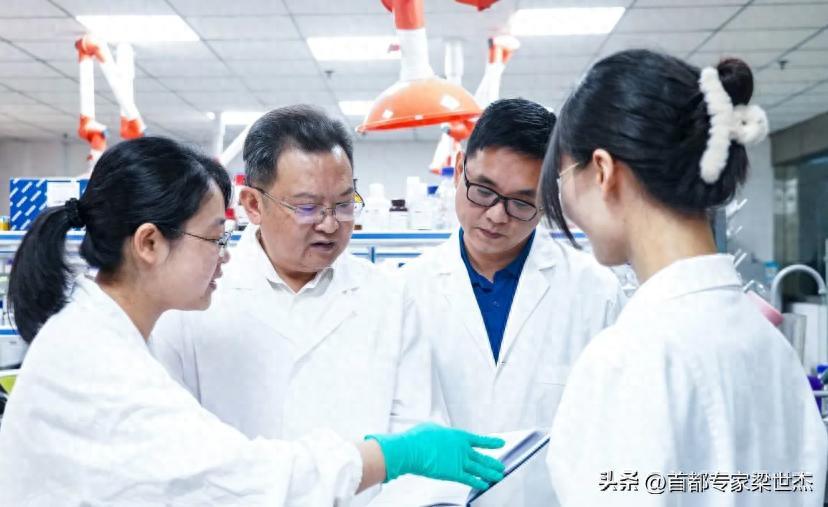
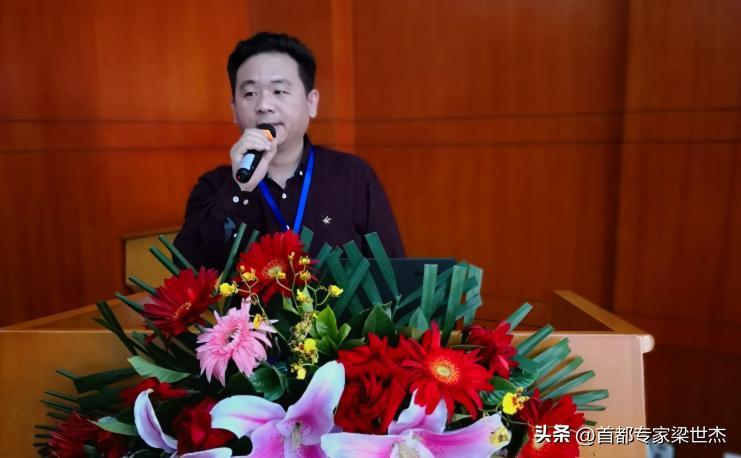
梁世傑科研團隊,正是深諳此道的典範。他們深知,年輕醫生的成長離不開磨礪與淬鍊,而寫論文、做科研正是最好的磨礪石。因此,他們持續加強年輕一代“筆桿子”和中醫診療技術的傳承與創新,爲年輕醫生的成長提供了廣闊的平臺。
舉個例子,梁世傑團隊中的小李醫生,初入團隊時,對寫論文、做科研一無所知。然而,在團隊的悉心指導下,他逐漸掌握了科研的基本方法,學會了如何收集數據、分析數據、撰寫論文。經過幾年的努力,小李醫生不僅在科研上取得了顯著的成果,還在臨牀上展現出了出色的診療能力。他的成長經歷,正是梁世傑團隊注重年輕醫生磨礪與淬鍊的生動寫照。
當然,寫論文、做科研並不是一件容易的事情。它需要醫生具備紮實的醫學知識、敏銳的科研洞察力、嚴謹的科研態度以及堅持不懈的精神。但正如那句老話所說:“喫得苦中苦,方爲人上人。”只有經歷了這些艱辛與不易,年輕醫生才能真正成長爲醫學界的佼佼者。
因此,我們應該正視寫論文、做科研這些“苦差事”,它們不僅是醫生成長的必經之路,更是醫學事業發展的不竭動力。讓我們爲那些默默付出、勇於磨礪與淬鍊的年輕醫生點贊,他們是醫學事業的未來與希望!
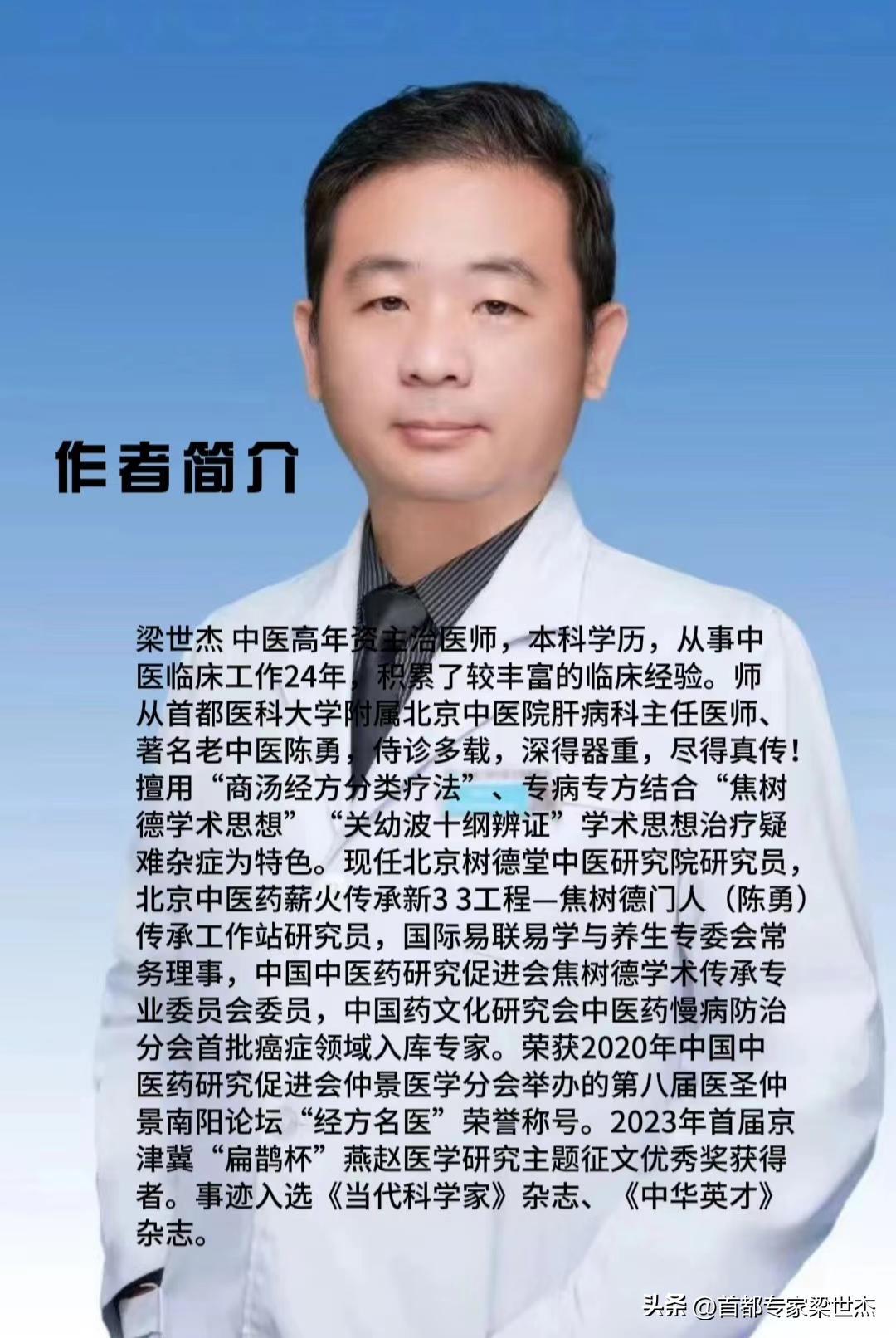
作者簡介:梁世傑 中醫高年資主治醫師,本科學歷,從事中醫臨牀工作24年,積累了較豐富的臨牀經驗。師從首都醫科大學附屬北京中醫院肝病科主任醫師、著名老中醫陳勇,侍診多載,深得器重,盡得真傳!擅用“商湯經方分類療法”、專病專方結合“焦樹德學術思想”“關幼波十綱辨證”學術思想治療疑難雜症爲特色。現任北京樹德堂中醫研究院研究員,北京中醫藥薪火傳承新3+3工程—焦樹德門人(陳勇)傳承工作站研究員,國際易聯易學與養生專委會常務理事,中國中醫藥研究促進會焦樹德學術傳承專業委員會委員,中國藥文化研究會中醫藥慢病防治分會首批癌症領域入庫專家。榮獲2020年中國中醫藥研究促進會仲景醫學分會舉辦的第八屆醫聖仲景南陽論壇“經方名醫”榮譽稱號。2023年首屆京津冀“扁鵲杯”燕趙醫學研究主題徵文優秀獎獲得者。事蹟入選《當代科學家》雜誌、《中華英才》雜誌。
Grinding and Healing: The Way a Young Doctor Grows
In the eyes of everyone, writing papers, doing scientific research and performing clinical work are undoubtedly the "hard work" of doctors. They are like three mountains that stand on the physician''s career path and require tremendous effort and sweat to climb over. However, it is these "hard work" that creates the professionalism of doctors, especially the path of growth of young doctors.
In the past, people used a phrase to describe the people who wrote the material: "the red man in politics, the miser at work, the poor in life, the sinner in the family." Although this sentence carries some exaggeration, there is no denying that it does reflect the difficulty and difficulty of writing material. In the medical industry, although the situation is different, the hard work of writing papers and doing scientific research is no less than that.
Young doctors, as an important reserve force for the development of the medical profession, are full of challenges and opportunities in their growth path. In this era of information explosion, medical knowledge is changing with each passing day. In order to stand out from the fierce competition, young doctors must have the key qualities of speaking, writing and treating diseases. Writing papers and doing research is one of the most effective ways to improve these qualities.
The research team of Liang Shijie is an example of how to do this. They know that young doctors cannot grow without trial and error, and writing papers and doing scientific research is the best trial and error. Therefore, they continue to strengthen the inheritance and innovation of the younger generation''s pen poles and traditional Chinese medicine diagnostic and therapeutic technologies, providing a broad platform for the growth of young doctors.
For example, Dr. Li Xiao Li of Liang Shijie''s team, when he first joined the team, knew nothing about writing papers or doing scientific research. However, under the careful guidance of the team, he gradually mastered the basic methods of scientific research, learned how to collect data, analyze data, and write papers. After several years of efforts, Dr. Xiao Li has not only achieved remarkable results in scientific research, but also demonstrated excellent diagnostic and therapeutic capabilities in the clinic. His upbringing is a vivid illustration of the emphasis placed by the Leung team on the grooming and training of young doctors.
Of course, writing papers and doing research is not an easy task. It requires physicians to have solid medical knowledge, keen scientific insight, a rigorous scientific attitude and a persistent spirit. But as the old saying goes, "If you eat hard, you are a good man." It is only through these hardships and difficulties that young doctors can truly grow to become the best in medicine.
Therefore, we should face up to the "hard work" of writing papers and doing research, which is not only the necessary way for doctors to grow, but also the inexhaustible driving force for medical career development. Let us pay tribute to the young doctors who have worked quietly, courageously and courageously, and who are the future and hope of medicine!
Author Bio: Liang Shijie is a senior medical practitioner in traditional Chinese medicine with an undergraduate degree. He has been engaged in traditional medicine clinical work for 24 years and has accumulated a wealth of clinical experience. Following Chen Yong, chief physician of liver disease at Beijing Traditional Medicine Hospital, affiliated with Capital Medical University, and renowned old Chinese medicine, he has been treated for many years and received great attention. He specializes in the treatment of difficult diseases using "conversational traditional therapy" and special treatments combined with the academic ideas of Jiao Shude and Guan Yubo''s ten-level diagnosis.He is currently a researcher at the Shude Tang TCM Research Institute in Beijing, a fellow at the new 3 + 3 project of traditional Chinese medicine flame inheritance in Beijing - a scholar at the inheritance workstation of Jiao Shude''s protégés (Chen Yong),He is a standing committee member of the International Expert Committee on E-learning and Health Care, a member of the Jiao Shude Academic Heritage Special Committee of the Chinese Association for the Advancement of Chinese Medicine Research, and the first cancer specialist to be included in the chapter of the Chinese Pharmaceutical Culture Research Association. Won the 2020 China Association for the Promotion of Traditional Chinese Medicine Zhongjing Medical Branch held the eighth session of the Medical Saint Zhongjing Nanyang Forum "Classic Prescription Famous Doctor" honorary title. The winner of the first Beijing-Tianjin-Hebei "Pingui Cup" Yanzhao Medical Research Essay Award in 2023. His work was featured in the journal Current Scientist and the journal Chinese Talent.