省錢與治病:巴菲特名言與生活哲學的深刻共鳴
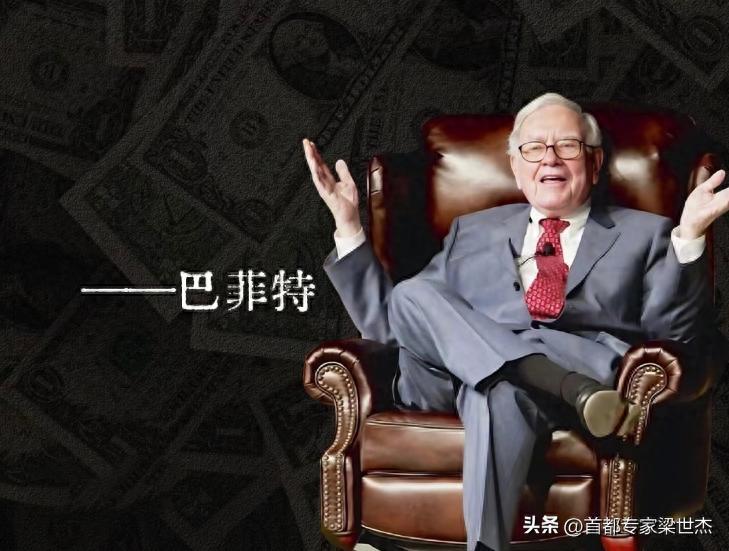
在人生的廣闊舞臺上,每個人都是自己劇本的編劇與導演,而我們的每一個選擇,都在悄然塑造着未來的模樣。巴菲特,這位投資界的傳奇人物,曾以一句“當你有了一個省錢的心,就少了一個賺錢的心,然後窮的很穩定”警醒世人,揭示了心態與財富之間的微妙關係。而今,讓我們以此爲出發點,結合“當你有了省藥費的心,就少了治病的決心,然後病得很頑固”這一生活現象,共同探索其中蘊含的深刻哲理與邏輯,以期在生活的旅途中,找到更加明智的抉擇之道。
省錢心:束縛的枷鎖,還是智慧的抉擇?
巴菲特的名言,直擊人心之處,在於它揭示了省錢心態可能帶來的雙重影響。一方面,適度的節儉是美德,是積累財富、應對未知風險的智慧之舉;但另一方面,過度的省錢心態,卻可能成爲束縛個人成長與財富積累的枷鎖。它讓人在機會面前猶豫不決,害怕投資帶來的風險,甚至失去了追求更高生活品質的勇氣。正如一位投資者,若總是因爲害怕虧損而錯過入市良機,最終可能只能在旁觀者的位置,看着別人收穫豐厚的回報。
省藥費心:健康的代價,還是理性的權衡?
將這一邏輯延伸至健康領域,我們同樣能發現相似的規律。面對疾病,有人選擇省藥費,忽視醫生的建議,拒絕必要的檢查與治療,認爲這樣可以節省開支。然而,這種看似理性的權衡,實則是對健康最大的忽視。疾病不會因爲你的節省而自動消失,反而可能因爲錯過了最佳治療時機,從而惡化成更加頑固、難以治癒的狀態。正如一位朋友,因長期忽視胃部不適,拒絕胃鏡檢查,最終確診爲胃癌晚期,不僅生活質量大打折扣,治療費用也遠超過當初省下的那點藥費。
從哲理到生活:尋找平衡的藝術
巴菲特的名言與生活中的省藥費現象,共同指向了一個核心問題:如何在節省與投入之間找到平衡?這不僅是財務規劃的藝術,更是生活哲學的體現。在投資領域,這意味着要有勇氣面對風險,同時也要具備智慧,學會在合適的時機做出正確的決策。而在健康方面,則要求我們既要珍惜每一分錢,更要珍視自己的健康,懂得在關鍵時刻做出必要的投資,以防微杜漸,守護生命的寶貴。

生動例證:從失敗中汲取教訓
讓我們以一位創業者的故事爲例。起初,他爲了追求低成本運營,忽略了產品研發與市場推廣的投入,結果產品競爭力不足,市場份額難以提升。面對困境,他起初仍堅持省錢原則,不願增加投入。然而,隨着市場競爭的加劇,他的企業逐漸陷入困境,最終不得不以低價出售。這個教訓讓他深刻意識到,省錢不應成爲阻礙成長與創新的藉口,而是在確保穩健發展的前提下,合理分配資源,實現效益最大化。
同樣,在健康領域,也有許多人從忽視疾病的教訓中醒來。他們開始意識到,預防勝於治療,定期體檢、及時就醫,纔是守護健康的明智之舉。儘管這可能需要一定的經濟投入,但與失去健康相比,這些費用顯得微不足道。
結語:心懷希望,勇敢前行
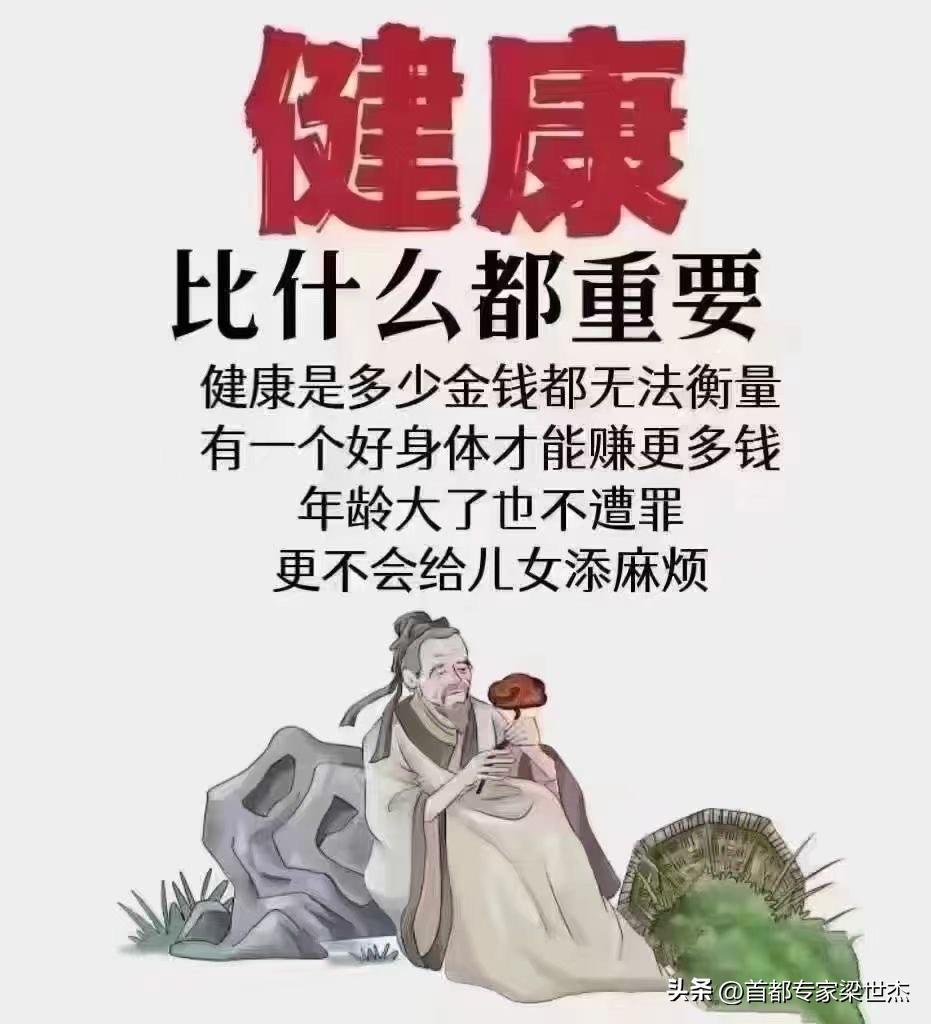
生活是一場漫長的旅程,我們每個人都在其中尋找着屬於自己的答案。巴菲特的名言與生活中的省藥費現象,如同兩面鏡子,映照出我們內心深處的恐懼與渴望。它們提醒我們,無論是追求財富還是守護健康,都需要擁有一顆勇敢而智慧的心,既要懂得節省,更要勇於投資,以平衡的心態面對生活的每一個挑戰。只有這樣,我們才能在人生的舞臺上,演繹出屬於自己的精彩篇章,讓生命之樹在風雨中更加茁壯成長。
作者簡介:梁世傑 中醫高年資主治醫師,本科學歷,從事中醫臨牀工作24年,積累了較豐富的臨牀經驗。師從首都醫科大學附屬北京中醫院肝病科主任醫師、著名老中醫陳勇,侍診多載,深得器重,盡得真傳!擅用“商湯經方分類療法”、專病專方結合“焦樹德學術思想”“關幼波十綱辨證”學術思想治療疑難雜症爲特色。現任北京樹德堂中醫研究院研究員,北京中醫藥薪火傳承新3+3工程—焦樹德門人(陳勇)傳承工作站研究員,國際易聯易學與養生專委會常務理事,中國中醫藥研究促進會焦樹德學術傳承專業委員會委員,中國藥文化研究會中醫藥慢病防治分會首批癌症領域入庫專家。榮獲2020年中國中醫藥研究促進會仲景醫學分會舉辦的第八屆醫聖仲景南陽論壇“經方名醫”榮譽稱號。2023年首屆京津冀“扁鵲杯”燕趙醫學研究主題徵文優秀獎獲得者。事蹟入選《當代科學家》雜誌、《中華英才》雜誌。

Save Money and Heal Sickness: A Deep Synthesis of Buffett''s Words and Life Philosophy
On the vast stage of life, each person writes and directs his or her own script, and every choice we make quietly shapes the future. Warren Buffett, the investment legend, once warned the world that "when you have a mind to save money, you have fewer minds to make money, and then poverty is stable," revealing the delicate relationship between mindset and wealth. Now, let''s take this as a point of departure and explore the profound philosophy and logics behind it, in the hope of finding a more sensible way of life.
Money Saving: Chains of Restraint or Wisdom?
What makes Buffett''s famous remark strike a chord is that it reveals the double impact that a money-saving mindset can have. On the one hand, moderate thrift is a virtue, a wise move to build wealth and deal with unknown risks. On the other hand, excessive money saving mentality may become a chain that binds personal growth and wealth accumulation. It makes people hesitate in the face of opportunities, fear the risks associated with investing, and even lose the courage to pursue a higher quality of life. Just as an investor who misses opportunities to enter the market for fear of losing money may end up sitting on the sidelines, watching others reap rewards.
Saving money: a cost to health, or a rational trade-off?
Extending this logic to the realm of health, we find similar patterns. In the face of illness, some people choose to save money on drugs, ignore doctors'' recommendations, and refuse necessary tests and treatments, believing that this will save money. However, this seemingly rational trade-off is the greatest neglect of health. The disease won''t go away automatically because of your savings, but it may worsen into a more stubborn, incurable condition because the best treatment is missed. As a friend, for a long time ignoring stomach discomfort and refusing a gastric surgery, he was eventually diagnosed with advanced stomach cancer, not only significantly reduced his quality of life, but the cost of treatment far exceeded the amount of medication he had saved.
From Philosophy to Life: The Art of Finding Balance
Buffett''s quotes and the phenomenon of saving money in life point to a central question: how to find a balance between saving and investing? This is not only the art of financial planning, but also the philosophy of life. In investment, that means having the courage to face risks, but also the wisdom to learn to make the right decisions at the right time. When it comes to health, it requires us to value every penny, but also our own health, and to make the necessary investments at critical moments to prevent damage and protect the precious value of life.
A vivid example: learning from failure
Let''s take the story of an entrepreneur as an example. At first, in pursuit of low-cost operations, he neglected the investment in product research and development and marketing, and the result was that the product was not competitive and the market share was difficult to increase. In the face of difficulties, he initially adhered to the principle of saving money and was reluctant to increase his investment. However, as competition increased in the market, his business gradually struggled and eventually had to be sold at a low price. This lesson led him to realize that saving money should not be used as an excuse to hinder growth and innovation, but rather to allocate resources rationally to maximize benefits while ensuring sound development.
Similarly, in the field of health, there are many people who have woken up from the lesson of ignoring disease. They are beginning to realize that prevention is better than cure, and that regular check-ups and timely medical consultations are the smartest way to protect their health. Although this may require a certain financial investment, these costs appear insignificant compared to the loss of health.
Conclusion: With hope and courage, move forward
Life is a long journey in which each of us finds our own answers. Buffett''s quotes and the fact that we save money on drugs in our lives are mirrors of our deepest fears and desires. They remind us that the pursuit of wealth and health requires a courageous and wise mind, saving and investing, and facing every challenge of life with a balanced mindset. Only in this way can we play our own wonderful chapter on the stage of life, and let the tree of life thrive even more despite the storms and winds.
Author Bio: Liang Shijie is a senior medical practitioner in traditional Chinese medicine with an undergraduate degree. He has been engaged in traditional medicine clinical work for 24 years and has accumulated a wealth of clinical experience. Following Chen Yong, chief physician of liver disease at Beijing Traditional Medicine Hospital, affiliated with Capital Medical University, and renowned old Chinese medicine, he has been treated for many years and received great attention. He specializes in the treatment of difficult diseases using "conversational traditional therapy" and special treatments combined with the academic ideas of Jiao Shude and Guan Yubo''s ten-level diagnosis.He is currently a researcher at the Shude Tang TCM Research Institute in Beijing, a fellow at the new 3 + 3 project of traditional Chinese medicine flame inheritance in Beijing - a scholar at the inheritance workstation of Jiao Shude''s protégés (Chen Yong),He is a standing committee member of the International Expert Committee on E-learning and Health Care, a member of the Jiao Shude Academic Heritage Special Committee of the Chinese Association for the Advancement of Chinese Medicine Research, and the first cancer specialist to be included in the chapter of the Chinese Pharmaceutical Culture Research Association. Won the 2020 China Association for the Promotion of Traditional Chinese Medicine Zhongjing Medical Branch held the eighth session of the Medical Saint Zhongjing Nanyang Forum "Classic Prescription Famous Doctor" honorary title. The winner of the first Beijing-Tianjin-Hebei "Pingui Cup" Yanzhao Medical Research Essay Award in 2023. His work was featured in the journal Current Scientist and the journal Chinese Talent.