關於文化、遺產和氣候變化的新研究和行動議程現已在線發佈
“關於文化、遺產和氣候變化的全球研究和行動議程:國際共同主辦的文化、遺產與氣候變化會議的科學成果”是聯合國教科文組織(UNESCO)與國際古蹟遺址理事會(ICOMOS)合作的成果,由聯合國政府間氣候變化專門委員會(IPCC)共同主辦,現已在線發佈。
據:UNESCO World Heritage Centre
這是在國際氣候行動中充分融入文化的里程碑式的夥伴關係。聯合國教科文組織的新數據提醒人們,世界遺產地的冰川正在加速融化,到2050年,三分之一的冰川將消失。只有迅速減少二氧化碳排放水平,才能保護賴以生存的特殊生物多樣性。最近發佈的“世界遺產冰川:氣候變化的警示”報告以聯合國教科文組織最近的調查結果爲基礎,該調查結果強調了世界遺產地森林在減緩氣候變化方面的重要作用,每年從大氣中吸收1.9億噸二氧化碳。
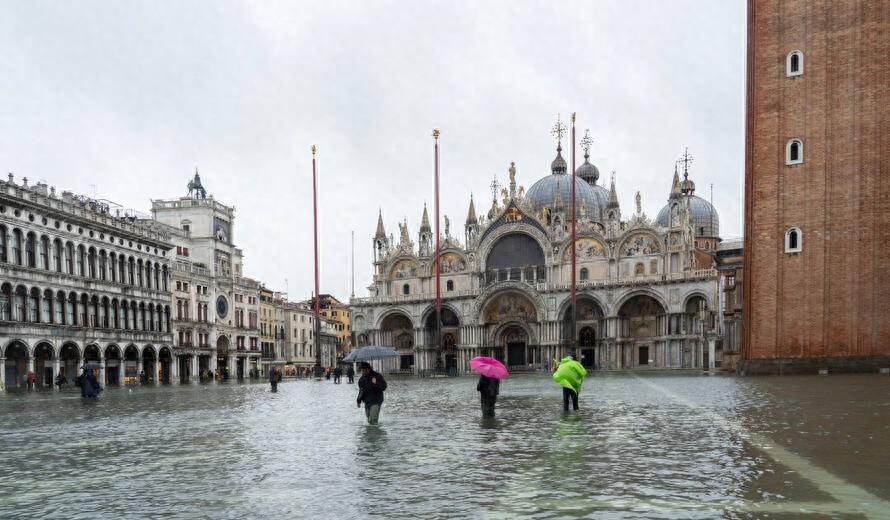
最近幾個月和幾年,我們還看到文化和自然遺產,包括許多聯合國教科文組織世界遺產,受到野火、洪水、風暴和大規模白化事件(mass-bleaching events)的威脅。我們還看到了氣候變化如何使活態遺產——口頭傳統、表演藝術、社會實踐、節日活動和傳統知識——面臨風險。隨着氣候變化導致流離失所和被迫移民,整個生活方式都有可能永遠消失。
在世界舉行COP27並慶祝1972年《世界遺產公約》50週年之際,這一全球研究和行動議程尤爲及時。在其《行動戰略》和《與氣候變化有關的倫理原則宣言》以及其在文化領域廣泛批准的六項公約的基礎上,聯合國教科文組織長期以來一直致力於保護世界有形和無形文化遺產免受氣候變化的影響。這一點在194個締約國批准的《世界遺產公約》和180個締約國簽署的2003年《保護非物質文化遺產公約》中都很明顯,這兩項公約都促進了文化在減緩和適應氣候變化方面的作用。
聯合國教科文組織目前正在修訂其《世界遺產氣候行動政策文件》(更多詳情請參見此處:
https://whc.unesco.org/en/climatechange/)。聯合國教科文組織通過這一世界遺產冠層平臺(Canopy platform),首次通過實地案例研究收集了有關氣候變化對文化影響的證據。世界遺產地固有的記錄在案的知識和做法,由當地社區傳播,並通過其空間形式和世界不同地區對當地資源的管理得到證明,清楚地表明瞭傳統和土著知識和做法作爲氣候行動資源的重要性。
文化、遺產與氣候變化全球聯合會議的科學成果中提出了一些關鍵信息,包括與聯合國教科文組織使命密切相關的以下信息:
(1)整體和包容性的方法有助於解決氣候變化對文化和遺產的影響,並釋放其潛力,以利用文化對氣候韌性未來的貢獻。科學家和研究人員必須與土著人民和當地社區積極合作,承認傳統研究做法和土著知識體系的價值。
(2)文化可以創造機會,促進氣候變化減緩和綠色轉型。自然遺產——森林、土壤、牧場和沿海水生系統——提供了關鍵的碳匯(carbon sinks),而遺產建築的適應性再利用則減少了碳排放。
(3)多樣的知識體系和社會包容在氣候適應和復原力方面發揮着關鍵作用。活化和物質遺產以及文化景觀爲社區應對災害提供了寶貴的信息,並促進了未來的適應。
(4)投資和支持文化專業人士和藝術家可以促進氣候問題的有效溝通。將氣候故事和敘事融入遺產解釋中,可以激發氣候行動並強調緊迫性。
(5)代代相傳的歷史遺蹟、知識和非物質文化習俗爲我們提供了應對氣候變化的經驗教訓。所有知識系統都有不同的觀察、解釋、理解和應對氣候變化的方法和方式;因此,情景策略是基本的。
這一全球研究和行動議程與聯合國教科文組織2022年世界文化政策與可持續發展會議(MONDIACULT 2022)的成果完全一致,該會議導致150個國家通過了一項宣言,強調將文化遺產和創造力納入氣候變化國際討論的重要性。《宣言》鼓勵聯合國教科文組織在教科文組織文化領域各項公約和建議的框架內,與相關國際組織、框架和機制,如《聯合國氣候變化框架公約》(UNFCCC)、《生物多樣性公約》(CBD)、世界氣象組織(WMO)、聯合國農業組織(FAO)、聯合環境規劃署(UNEP)、聯合國政府間氣候變化專門委員會(IPCC)以及應對氣候變化對文化和自然遺產影響的靈活機制(2020年),目的是協助會員國制定政策和戰略,以應對影響整個文化部門的極端氣候影響。
New research and action agenda on culture, heritage and climate change now available online
“The Global Research and Action Agenda on Culture, Heritage, and Climate Change: Scientific Outcome of the International Co-Sponsored Meeting on Culture, Heritage, and Climate Change”, the result of collaboration between UNESCO and the International Council on Monuments and Sites (ICOMOS), co-sponsored by the Intergovernmental Panel on Climate Change (IPCC), is now available online.
This represents a milestone partnership towards the full integration of culture in international climate action. New UNESCO data has alerted of the accelerated melting of glaciers in World Heritage sites, with glaciers in a third of sites set to disappear by 2050. Only a rapid reduction in CO2 emission levels can protect the exceptional biodiversity that depends on them. The recently launched “World heritage glaciers: sentinels of climate change” report, builds on recent UNESCO findings which underlined the vital role of forests in World Heritage sites in climate change mitigation, absorbing 190 million tons of CO2 from the atmosphere each year.
In recent months and years, we have also seen cultural and natural heritage sites, including many UNESCO World Heritage sites, threatened by wildfires, floods, storms and mass-bleaching events. We have also seen how climate change puts living heritage – oral traditions, performing arts, social practices, festive events and traditional knowledge – at risk. As climate change leads to displacement and forced migration, entire ways of life risk being lost forever.
As the world holds COP27 and celebrates the 50th anniversary of the 1972 World Heritage Convention, this global research and action agenda is particularly timely. Building on its house-wide Strategy for Climate Action and its Declaration of Ethical Principles in relation to Climate Change, as well as its six widely ratified conventions in the field of culture, UNESCO has long been working to safeguard the world’s tangible and intangible cultural heritage from the effects of climate change. This is apparent through both its World Heritage Convention, ratified by 194 States Parties, as well as its 2003 Convention for the Safeguarding of the Intangible Cultural Heritage, ratified by 180 States Parties, both of which advance the role of culture for climate change mitigation and adaptation.
UNESCO is currently revising its Policy Document on Climate Action for World Heritage (see here for more details: https://whc.unesco.org/en/climatechange/). UNESCO has gathered evidence for the first time through site level case studies concerning climate change''s impact on culture through this World Heritage Canopy platform. The documented knowledge and practices inherent in World Heritage sites, transmitted by local communities, and evidenced by their spatial forms and management of local resources across different world regions show clearly the importance of traditional and indigenous knowledge and practices as a resource for Climate Action.
A number of key messages emerged from the Scientific Outcome of the International Co-Sponsored Meeting on Culture, Heritage, and Climate Change, including the following closely related to UNESCO’s mission:
(1)Holistic and inclusive approaches can help address the impact of climate change on culture and heritage and unlock their potential to leverage culture’s contribution for a climate-resilient future. Scientists and researchers must collaborate proactively with indigenous peoples and local communities, acknowledging the value of traditional research practices and indigenous knowledge systems.
(2)Culture can create opportunities to increase climate change mitigation and foster green transformation. Natural heritage - forests, soils, rangelands and coastal aquatic systems - provide critical carbon sinks, while adaptive reuse of heritage buildings reduces carbon emissions.
(3)Diverse knowledge systems and social inclusion play key roles in climate adaptation and resilience. Living and tangible heritage, as well as cultural landscapes, provide valuable information on community hazard response and facilitate future adaptation.
(4)Investing in and supporting culture professionals and artists can promote effective communication on climate issues. Incorporating climate storytelling and narrative into heritage site interpretation can inspire climate action and underscore urgency.
(5)Historic places, knowledge and intangible cultural practices transmitted through generations offer lessons of resilience in the face of climate change. All knowledge systems have different means and ways in which they observe, interpret, understand and respond to climate change; context-based approaches are therefore fundamental.
This global research and action agenda is fully aligned with the outcomes of the UNESCO World Conference on Cultural Policies and Sustainable Development – MONDIACULT 2022, which resulted in the adoption of a Declaration by 150 countries that stresses the importance of integrating cultural heritage and creativity into international discussions on climate change.
The Declaration encourages UNESCO to develop operational guidelines on the subject, in the framework of the UNESCO conventions and recommendations in the field of culture, and in synergy with relevant international organizations, frameworks and mechanisms, such as the United Nations Framework Convention on Climate Change (UNFCCC), the Convention on Biological Diversity (CBD), the World Meteorological Organisation (WMO), the United Nations Agriculture Organisation (FAO), the United Nations Environment Programme (UNEP), the Intergovernmental Panel on Climate Change (IPCC), as well as the Flexible Mechanism for addressing the impacts of climate change on cultural and natural heritage (2020), with the aim of assisting Member States in the development of their policies and strategies to address extreme climate impacts affecting the entire cultural sector.
(英文原文據:UNESCO World Heritage Centre,23 November 2022)